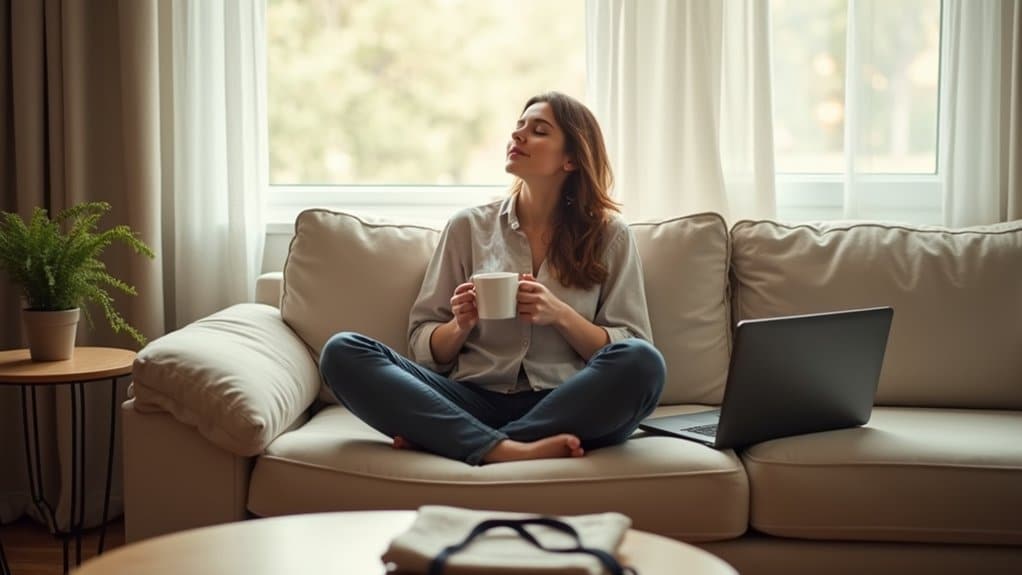
Color is used in anxiety treatment as a deliberate clinical tool that calms your nervous system and redirects your focus. When you’re surrounded by soft blues and greens, your body activates its parasympathetic response, lowering cortisol, easing your heart rate, and quieting anxious thought patterns. Therapists also integrate color into mindfulness exercises and visualization techniques to help you release emotional tension. Understanding how these choices work across clinical and cultural contexts can transform your approach to healing.
Why Blue and Green Work Best for Anxiety Relief

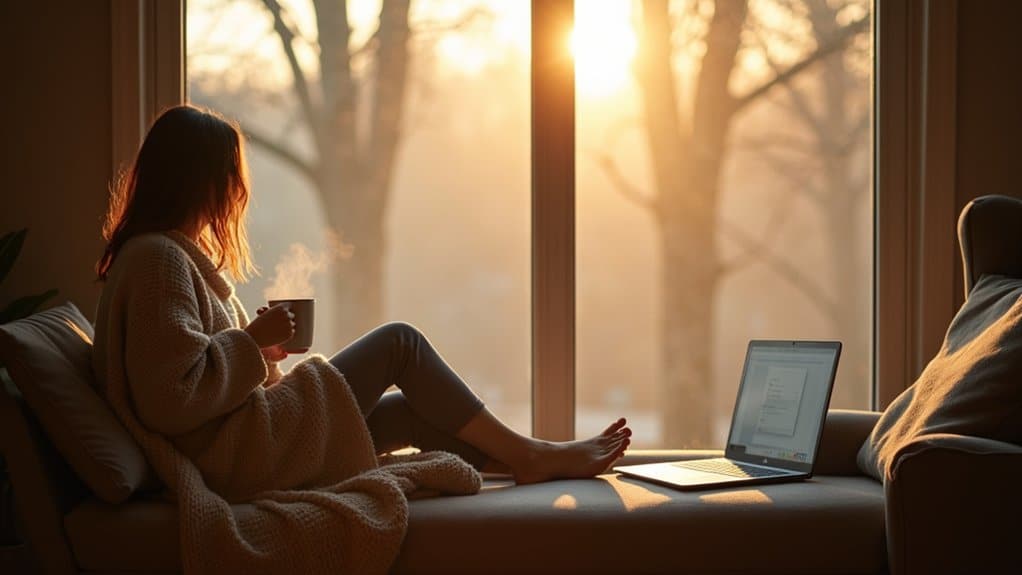
When you step into a space bathed in soft blue or surrounded by lush green, your body begins to respond before your mind even catches up. Research confirms that blue spaces reduce psychological distress more notably than green ones, though both lower cortisol levels, blood pressure, and heart rate. That’s the color impact on mental health working at a physiological level.
In color therapy for anxiety, blue encourages a powerful sense of calm, while green diffuses anxiety and invites harmony. These calming colors for anxiety aren’t arbitrary choices, they mirror nature’s own healing environments. Water views and natural vegetation actively regulate your stress responses, helping you feel safer and more grounded as you process difficult emotions in therapy. A study conducted by Michigan State University researchers found that increased visibility of natural water bodies from residential views was directly linked to lower psychological distress, even after adjusting for factors like socioeconomic status, age, and sex.
How Color Therapy Reduces Anxiety in Your Brain
Though you might not realize it, your brain begins shifting the moment you engage with color therapy. Your alpha and theta brainwaves activate, moving you from heightened alertness into relaxation. Meanwhile, beta and gamma waves, typically elevated during anxiety, quiet down. This neurological shift mirrors what happens during meditation.
Color psychology anxiety treatment works because your prefrontal cortex engages with color decisions, interrupting rumination and worry pathways. Calming color schemes for anxiety redirect your attention away from internal stressors, absorbing your cognitive resources in present-moment experience.
Your body responds simultaneously. Cortisol drops, heart rate slows, and your parasympathetic nervous system activates. Healing colors for anxiety also trigger endorphin release, stimulating your brain’s reward system. Research from the Color Lab at UC Davis found that amber light is the most relaxing color during stress recovery, with participants reporting subjective feelings of calm and physiological measures confirming its effectiveness. These combined neurological and physiological responses create measurable, sustained relief from anxiety symptoms.
How Clinics Use Color to Calm Anxious Patients
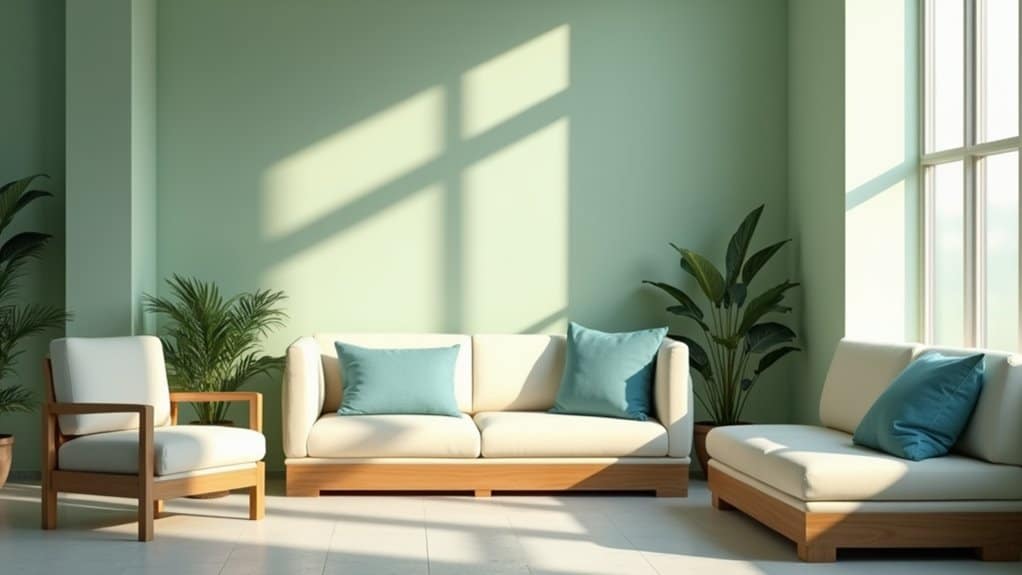
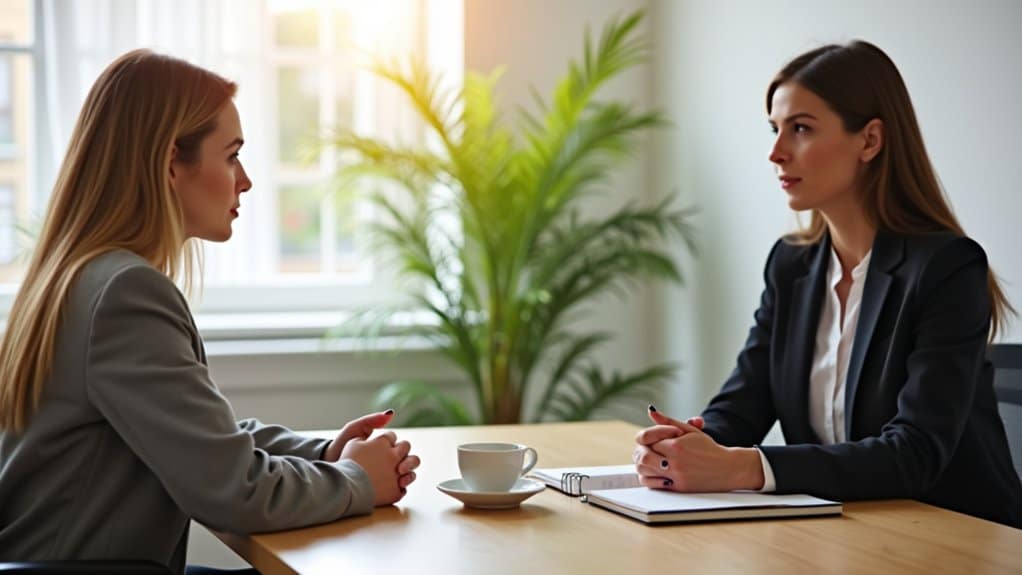
Because color shapes your emotional state within seconds of entering a room, clinics now design their environments with deliberate therapeutic intention. When you walk into a waiting area painted in soft blue, your parasympathetic nervous system activates, lowering your cortisol and heart rate. This immediate shift demonstrates how color in anxiety treatment works at a physiological level before your session even begins.
Therapists select therapy room colors for anxiety with precision. Cool blues and greens dominate treatment spaces, while warm yellows appear strategically in rehabilitation areas to boost motivation. Clinics eliminate reds and intense oranges that trigger stress responses. Red and orange hues are particularly problematic because they are psychologically linked to emergency situations, which can intensify a patient’s existing anxiety. This intentional approach to color and emotional regulation guarantees you’re supported by your environment, creating safety that reinforces your therapeutic progress throughout each visit.
How Color Therapy Enhances Mindfulness and Other Treatments
As you settle into a mindfulness session where soft blue light fills the room, you’re not just meditating, you’re giving your nervous system a direct pathway to calm. Understanding how color affects anxiety helps you engage more intentionally with therapeutic practices. When you visualize calming hues during breathwork, you’re anchoring yourself in the present and releasing emotional tension simultaneously.
The colors used in therapy rooms aren’t arbitrary, they’re chosen to deepen your therapeutic experience. Blue tones quiet racing thoughts, green restores balance, and indigo supports emotional regulation. This color influence on mood anxiety works alongside techniques like grounding and mindful coloring, where structured designs draw you into a meditative state. You’re shifting attention away from self-critical patterns and into sensory presence. The impact of color in therapy design can significantly enhance the overall environment. Different hues can evoke specific feelings, thus tailoring the therapeutic space to meet individual needs.
How to Adapt Color Therapy Across Cultures
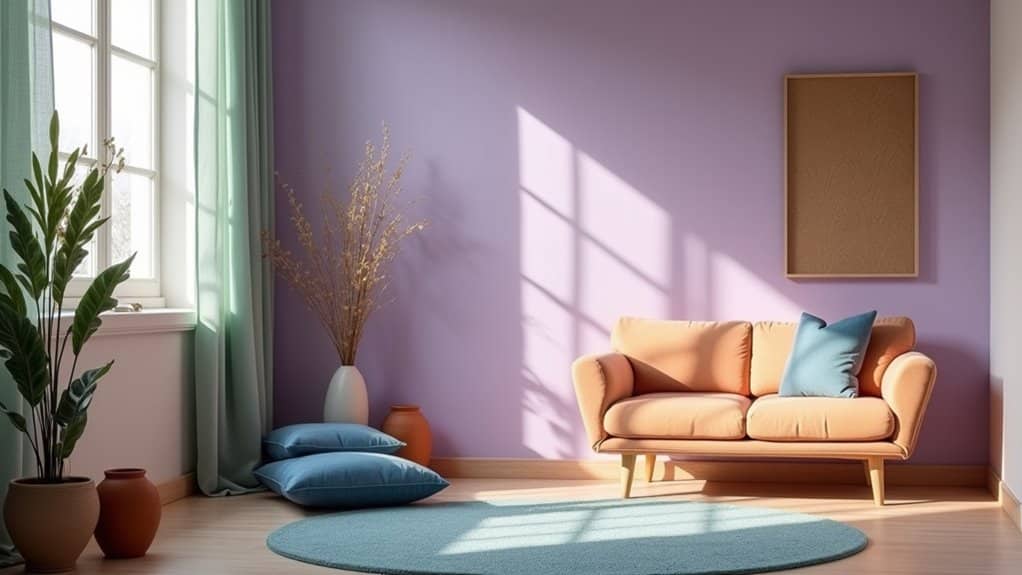
When you step into a therapy space designed with calming blues and greens, those colors carry meaning shaped by your unique cultural background, and that meaning matters deeply. White may feel pure to you or evoke mourning. Red might signal fortune or grief. Your therapist should explore these associations during intake, ensuring the anxiety treatment environment colors support rather than trigger you. Holistic anxiety treatment methods consider not only your emotional state but also the physical and environmental factors that contribute to your overall well-being.
Effective color in counseling spaces requires cultural humility. Your therapist shouldn’t assume what soothes you based on cultural group membership alone. Instead, they’ll ask how specific colors feel in your body and what memories they activate. Color therapy for emotional regulation can enhance the therapeutic experience by helping to identify triggers and emotional responses. By incorporating colors that resonate with you, the therapist can foster a deeper connection to your feelings.
Thoughtful mental health therapy design colors prioritize your individual experience. When therapists combine cultural awareness with personal exploration, they create environments where you feel genuinely safe processing anxiety.
Call Now and Get the Help You Need
Anxiety has a way of making everyday life feel heavier than it should but real relief is within reach when you have the right people beside you. At Villa Healing Center, we provide Anxiety Treatment built around your needs to help you find lasting peace. Serving individuals throughout Los Angeles County, our compassionate team is ready when you are. Call (888) 669-0661 today and take the first step toward healing.
Frequently Asked Questions
Can Color Therapy Alone Replace Medication for Treating Anxiety Disorders?
No, you can’t rely on color therapy alone to replace medication for treating anxiety disorders. Research shows it works best when you combine it with conventional treatment, not as a standalone approach. You’ll find it enhances your results alongside medication and other therapies, but there’s no clinical evidence supporting it as a replacement. Think of it as a valuable complementary tool that deepens your healing process rather than carrying the full therapeutic weight.
Are There Any Negative Side Effects of Using Color Therapy?
Yes, you can experience some side effects with color therapy. Certain light wavelengths might trigger headaches, eye strain, nausea, or irritability. If you’re prone to migraines or have light sensitivity, specific colors could worsen your symptoms. Blue light, in particular, may increase feelings of depression or fatigue. You’ll also want to be cautious if you’re taking photosensitizing medications. That’s why it’s important to work with a professional who tailors the approach to your unique needs.
How Long Does It Take for Color Therapy to Show Results?
You may notice subtle shifts in your mood and emotional comfort within just a few sessions of experiencing color therapy in your treatment setting. However, deeper, more lasting results typically develop over weeks of consistent exposure. Everyone’s experience is different, so your timeline will depend on your unique emotional needs and how your body responds. Over time, you’ll likely find that calming colors support greater emotional stability and relaxation.
Is Color Therapy Effective for Children With Anxiety Disorders?
Yes, color therapy can be effective for your child’s anxiety. Research shows art therapy greatly reduces anxiety symptoms in children and adolescents, particularly state anxiety, those intense, in-the-moment feelings your child experiences. You’ll find that activities like mandala coloring and free-choice coloring offer your child a powerful way to express emotions they can’t yet verbalize. Twice-weekly sessions tend to produce stronger results, helping your child build emotional resilience over time.
Can Colorblind Individuals Still Benefit From Color-Based Anxiety Therapy?
You can still benefit from color-based anxiety therapy even if you’re colorblind. Research suggests you likely associate similar emotions with colors as non-colorblind individuals, which means your psychological responses remain comparable. Since anxiety and depression often accompany color vision impairment, exploring adapted approaches feels especially meaningful. Your therapist can tailor interventions using colors you perceive most clearly, ensuring you’re experiencing the calming, supportive elements that help you process emotions and reduce tension effectively.