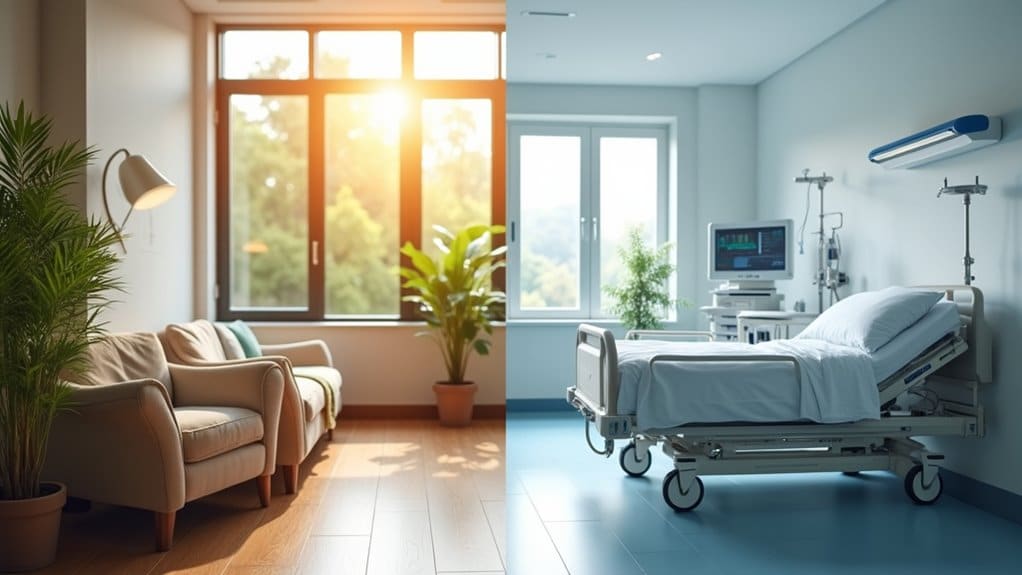
Your brain constantly scans your surroundings for threats and rewards, often before you’re consciously aware. Cluttered rooms activate your fight-or-flight system, raising cortisol levels and fueling cognitive overload. Poor lighting disrupts melatonin production, while chronic noise triggers stress hormones that elevate blood pressure. In contrast, nature views and green spaces measurably lower cortisol, heart rate, and depressive symptoms. Understanding exactly how light, sound, clutter, and design shape your stress response can help you build genuinely calmer environments.
How Clutter and Disorder Trigger Your Stress Response

When you walk into a cluttered room, your brain doesn’t just register a mess, it sounds an alarm. Your fight-or-flight system activates, treating disarray as a low-grade threat. This isn’t dramatic, it’s biological. Research shows that people in cluttered environments produce elevated cortisol throughout the day, linking cluttered environments anxiety to chronic stress conditions like heart disease and type 2 diabetes. Studies also reveal that women experience higher cortisol spikes than men, largely because they tend to bear a disproportionate share of the mental labor involved in managing household disorder.
Your brain also faces cognitive overload, constantly processing visual stimuli, maneuvering around obstacles, and tracking undone tasks. This mental burden fuels frustration, shame, and overwhelm, trapping you in cycles where stress prevents clearing the clutter that causes it. Understanding this connection between environmental comfort and anxiety reveals why even small organizational changes can meaningfully lower your body’s stress response.
How Lighting Affects Your Mood and Sleep
Beyond the visual chaos of clutter, another environmental factor reshapes your mental state every moment of the day, light. Your brain’s pineal gland produces melatonin in response to darkness, regulating your sleep-wake cycle. Blue light from screens suppresses this hormone more aggressively than other wavelengths, increasing alertness and heart rate when you need rest.
The natural light benefits for mood and mental health are striking. Research involving 500,000 adults linked outdoor light exposure to improved sleep and psychological well-being. Workers without window access showed higher rates of depression and disrupted melatonin levels. Functional imaging reveals light affects limbic structures within seconds, directly shifting mood. These responses are largely driven by intrinsically photosensitive retinal ganglion cells that detect light independently through melanopsin, separate from the rods and cones used for vision. Understanding these mechanisms clarifies why lighting is central to calming vs stressful environments anxiety.
Does Noise Raise Your Stress Levels?

Though you might not register the hum of traffic or the drone of an HVAC system, your brain does, and it responds with measurable physiological force. Noise activates your HPA axis and sympathetic nervous system, triggering fight-or-flight reactions even below conscious awareness. Research shows cortisol levels rise approximately 2.02% per 1 dBA increase in exposure, while adrenaline and noradrenaline surge under chronic conditions. Environmental factors affecting anxiety levels can also include exposure to natural elements, like greenery and water features. Studies indicate that environments rich in nature significantly lower stress and improve mood.
These stressful environment anxiety triggers carry serious consequences. Prolonged exposure elevates blood pressure, promotes inflammation, and increases cardiovascular disease risk, contributing to over 1.5 million lost healthy life years annually in Western Europe alone. Chronic noise annoyance also fuels depression and anxiety, with research linking road traffic noise exposure to a 4% increase in depression risk. Understanding these mechanisms is central to environmental psychology calming spaces research, where sound management becomes a critical design intervention.
Why Nature Views and Green Space Reduce Stress
Even a simple view of trees through a window can shift your body’s stress response in measurable ways. Understanding why nature views and green space reduce stress starts with physiology: exposure lowers cortisol, reduces blood pressure, and decreases heart rate. Living within 300 meters of green space cuts your odds of stress by half compared to distances beyond one kilometer. These relaxing spaces support mental health by reducing anxiety and depression.
| Nature Factor | Stress Effect | Recommended Dose |
|---|---|---|
| Green space proximity | 50% lower stress odds within 300m | Daily visual access |
| Weekly outdoor visits | Reduced depressive symptoms | 30 minutes minimum |
| High biodiversity settings | Enhanced calming benefits | 120 minutes per week |
Design Calmer Spaces With Color, Scent, and Zones
The colors on your walls, the scent drifting through a room, and how you divide your space into functional zones all shape your nervous system’s response, often before you consciously register it. Effective calming space design mental health starts with deliberate sensory choices: The psychology of color sensitivity plays a crucial role in how we perceive our environment. Different colors can evoke various emotional responses, influencing our mood and behavior.
- Color: Soft blues, greens, and lavenders reduce anxiety; follow the 60-30-10 rule to minimize visual clutter
- Scent: Diffuse 3, 6 drops of lavender or chamomile 30, 60 minutes before bedtime to support restorative sleep
- Lighting: Match color temperature to function, warm 2700, 3000K for restful zones, 3500, 4000K for alert spaces
- Zones: Designate distinct areas for relaxation, sleep, and focus using tailored sensory profiles
Each layer reinforces design for relaxation anxiety reduction through coordinated, evidence-backed environmental cues. Sensory overload and anxiety disorders often arise due to chaotic surroundings and overstimulation. Creating spaces that prioritize calmness can significantly alleviate these issues. By incorporating soothing colors and natural elements, the environment can foster a sense of peace and stability.
Call Now and Get the Help You Need
Anxiety has a way of making everyday life feel heavier than it should but real relief is within reach when you have the right people beside you. At Villa Healing Center, we provide Anxiety Treatment built around your needs to help you find lasting peace. Serving individuals throughout Los Angeles County, our compassionate team is ready when you are. Call (888) 669-0661 today and take the first step toward healing.
Frequently Asked Questions
Can Certain Room Temperatures Make a Space Feel More Stressful or Calming?
Yes, room temperature directly affects how calm or stressed you feel. You’ll find that keeping your space between 60, 67°F (15.6, 19°C) supports your body’s natural cooling process and melatonin production, promoting relaxation. When temperatures exceed 75°F (24°C), you’re more likely to experience restlessness and disrupted sleep. Extremely cold rooms also increase stress. Your body’s circadian rhythm depends on temperature regulation, so even small adjustments can meaningfully shift a space’s emotional impact.
How Does Ceiling Height Influence Feelings of Stress or Relaxation?
Ceiling height directly shapes your stress and relaxation levels. Ceilings below about 2.74 meters trigger crowding sensations and activate emotional stress responses in your brain, while ceilings around 3.05 meters promote abstract thinking and positive emotions. You’ll find that very high ceilings boost feelings of freedom and spaciousness, though extremely high ones can produce mixed reactions. Varied ceiling heights within a single space can also define psychological zones that reduce your overall stress.
Do Digital Screens in a Room Affect How Calming It Feels?
Yes, digital screens directly affect how calming your space feels. They emit blue light that suppresses melatonin and keeps your brain alert, especially when you’re close to the screen in dim surroundings. Engaging content like social media or news elevates stress hormones, making it harder to unwind. You’ll create a calmer environment by dimming screens, using warm display settings, positioning devices farther away, and choosing passive, soothing content over stimulating material.
Can the Texture of Furniture and Fabrics Impact Your Stress Levels?
Yes, texture directly affects your stress levels. Soft, plush fabrics like velvet, cotton, and wool activate your brain’s relaxation response, releasing serotonin and lowering anxiety. They absorb sound, soften visual edges, and reduce your overall sensory load. In contrast, rough or hard textures keep your nervous system alert and heighten vigilance. Your brain responds to these tactile cues automatically, meaning texture shapes your stress levels without you even realizing it.
How Does Room Size or Square Footage Affect Psychological Comfort?
Larger rooms give you a greater sense of freedom and relaxation, while cramped spaces tend to increase stress and discomfort. Research shows you’re likely to adopt more open posture, make more eye contact, and feel less inhibited in spacious environments. Curved room geometries also boost your positive mood and lower your heart rate compared to rectangular layouts. Even your willingness to share personal thoughts increases when you’ve got more physical space around you.