
We’re here 24/7 to listen and help.
Real self-harm help, without lectures and without judgment: daily therapy for self-harm inside residential care, treating the pain the behavior has been managing. A private six-bed home, a physician-led team, and people who understand.
Self-harm makes sense before it makes damage: it is a way of managing pain that has no other outlet, and it works just well enough to keep itself going. That is why willpower and promises to stop so often fail, and why shame only tightens the loop. Villa Healing Center treats self-harm in adults the way it deserves to be treated, as a symptom with something underneath it, not a character verdict. No one here flinches, no one demands explanations you do not have, and treatment starts wherever you actually are.
The clinical name for most self-harm is non-suicidal self-injury, NSSI, and the first word matters: for most people, self-harm is not a suicide attempt, and it is not “attention-seeking” either. It is emotion regulation by emergency measures, a way to convert unbearable feelings into something manageable, to break through numbness, to punish, or to feel control over pain by choosing it. Naming this accurately matters because the wrong assumptions drive people away from help in both directions: families panic toward the ER when treatment is what’s needed, or dismiss the behavior when it deserves care. Honesty requires the other half too: self-harm and suicidal thoughts can and do coexist, the overlap is real, and NSSI treatment here always includes careful screening for it, because treating one while missing the other is not treatment. If suicidal thoughts are part of your picture, our suicidal ideation program works under the same roof, and if anything is an emergency right now, 988 comes before any of this page.
Nearly everything published about self-harm is written for teenagers or their parents, and that silence teaches adults who self-harm a false lesson: that they are the only ones, and that continuing past adolescence means something is uniquely wrong with them. Neither is true. Self-harm in adults is far more common than the public conversation suggests; many adults have carried the behavior since their teens, managing it around careers, marriages, and children, hiding it from everyone close to them, and carrying a double shame, the behavior itself, plus the belief that they should have outgrown it. Why do adults self harm? For the same reasons anyone does: the behavior regulates something, usually pain rooted in depression, trauma, or anxiety that never got treated at the source. We are an adults-only program, 18 and over, built for exactly the people that teen-focused content leaves behind, and if you are a parent looking for help for your teenager, the honest answer is that we are not the right facility, and Section 8 below points you toward who is.
If you stopped, weeks, months, or years ago, and started again, the shame right now probably feels heavier than the behavior itself. So here is what clinicians actually know about self-harm relapse: it is common, it is part of most recovery arcs, and it does not erase the time you were free of it, because the skills and the proof-of-possibility you built then are still yours. A relapse is information, usually that stress rose past the supports in place, that the pain underneath went untreated, or that recovery was being held together by white-knuckle effort instead of treatment. The clinical response to relapse is not starting over; it is adjusting the plan, and returning to help faster than last time. Self-harm recovery is not a straight line for almost anyone, and coming back after a relapse is not failure. It is a skill.
How to stop self-harming is the wrong first question, because stopping is the result, not the method. The method is learning, with a clinician, what the behavior has been doing for you and building something that does it better. DBT for self-harm carries the strongest evidence of any approach: its skills for distress tolerance and emotion regulation are precisely the machinery for self-harm urges, the surge that rises, peaks, and passes, and here those DBT skills for self-harm are practiced daily, in individual sessions and skills groups, with clinicians nearby during the actual hard moments rather than a week away. Alongside the skills work, treatment goes after the source: CBT for the self-punishment beliefs, EMDR therapy when trauma sits underneath, psychiatric medication management for the depression or anxiety feeding the pain, and group and family therapy to rebuild the connections shame has been eroding. Nobody demands you stop on day one as a condition of care; treatment is how stopping becomes possible.
Most self-harm happens alone, in the hours no appointment covers, which is the structural reason weekly therapy alone so often is not enough. Residential treatment removes the loneliness: a six-bed home with clinical staff awake around the clock, daily therapy instead of a weekly hour, structure that steadies eating and sleeping, and hard moments met in real time by someone trained, so each urge that passes with support becomes evidence the next one can. Adults searching for self-harm treatment centers or a self-harm rehab are often surprised how few programs treat NSSI as a specialty rather than a footnote; here it is core clinical work. Inpatient self-harm treatment in the hospital sense, locked and involuntary, is not what this is: admission is voluntary, doors are unlocked, and the environment is a home. The daily rhythm of the program is described on our residential treatment page.
Start by managing your own reaction, because it is the first thing they will read. Horror, anger, ultimatums, and surveillance all push the behavior deeper into secrecy; what opens the door is calm, direct care: I noticed, I’m not judging you, I want to understand what’s been hurting. Do not demand promises to stop, promises become another thing to fail at, and do offer logistics: help finding treatment, company for the first call. If the person is an adult, you can call us yourself at (888) 669-0661 and we will help you think through the conversation. If the person is your teenager, we are honestly not the right program, we treat adults 18 and over only, and the right first calls are your pediatrician, a child and adolescent psychiatrist, or an adolescent-specialized program; in a crisis, 988 serves all ages, and Crisis Text Line (text HOME to 741741) is often the door a teenager will actually use. And if injuries are ever medically serious, or suicidal intent is present, that is an emergency room, immediately, no exceptions.
Residential treatment for self-harm and its underlying conditions is covered by most major commercial PPO plans, including Anthem, Aetna, Cigna, UnitedHealthcare, Blue Shield of California, and TRICARE, with prior authorization managed by our team. The benefits call takes roughly 15 minutes, the written cost estimate arrives before you commit to anything, and out-of-network plans can often be worked through single-case agreements or self-pay.
Villa Healing provides self-harm treatment in Los Angeles from our residence at 23033 Ostronic Drive in Woodland Hills, in the San Fernando Valley, minutes from the 101 and reachable from the 405. Adults reach us from across LA County and travel from throughout California, because residential programs that treat NSSI as a clinical specialty are genuinely rare, and our team coordinates the practical side of arriving from anywhere, admission timing, travel, and family sessions at a distance included.
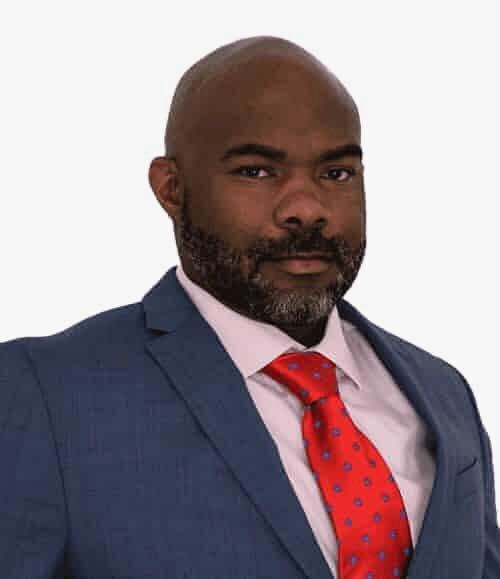
Medical Director
Medical Director
Clinically reviewed by Dr. Courtney Scott, MD, Medical Director at Villa Healing Center. Board eligibility: Emergency Medicine, Internal Medicine, Addiction Medicine.
You have managed this alone, probably for longer than anyone in your life knows. One confidential call, saying only as much as you choose, tells you what treatment would look like, what your insurance covers, and whether this is the right place. No lectures, no shock, no judgment, and someone picks up at any hour, every day of the year.
If you are in danger right now, call or text 988 (Suicide & Crisis Lifeline) or call 911. You can also text HOME to 741741 to reach the Crisis Text Line. Free, confidential, 24/7.