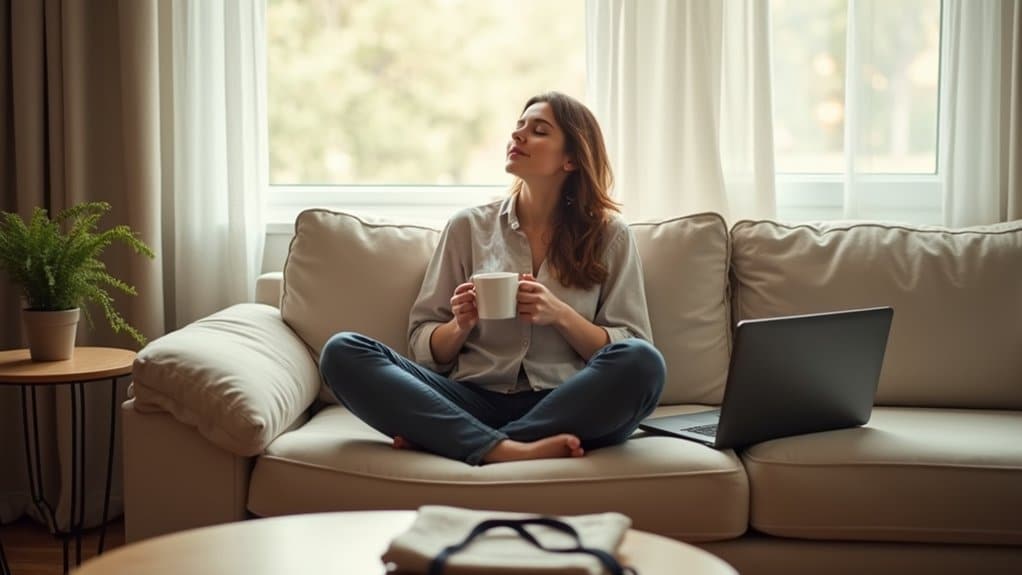
Therapy spaces are carefully designed to calm your nervous system before you even speak. Cooler hues like pale sage greens and dusty blues lower your blood pressure, while warm lighting between 2700K and 3000K promotes relaxation. Seating is angled at 45, 90 degrees to balance connection with personal space, and soundproofing layers protect your privacy. Natural elements like plants and wood textures further reduce mental fatigue. Each of these design choices works together in ways worth exploring further.
How Color Choices in Therapy Rooms Help Clients Feel at Ease
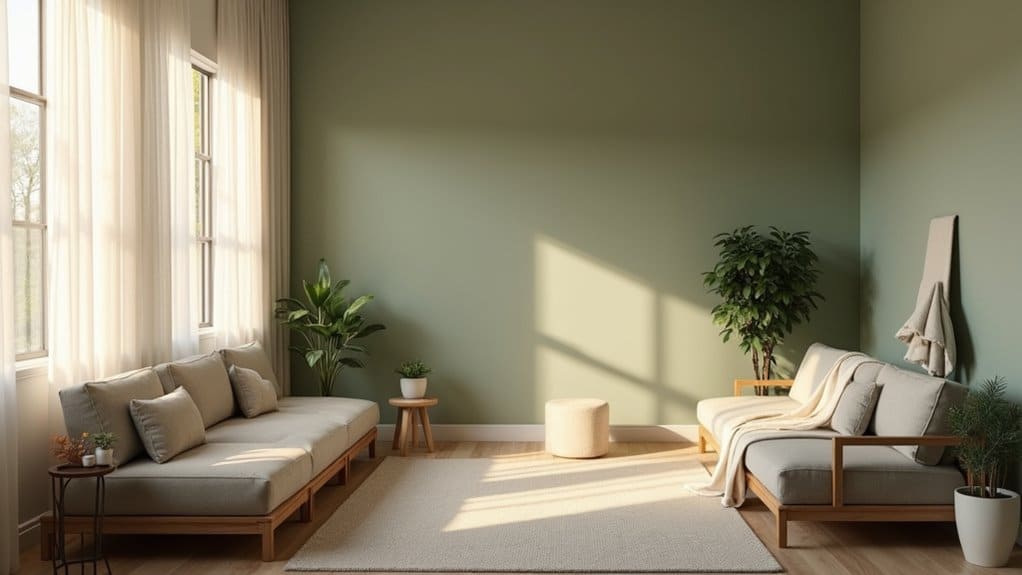
When therapists choose wall colors for their practice, they’re making a decision that directly shapes how clients feel the moment they walk in. Research consistently ranks blue and green as the most preferred colors in counseling environments, with teal specifically promoting mental clarity and open dialogue. You’ll notice that calming therapy room design avoids high-saturation hues. Studies show patients prefer neutral saturation levels, favoring pale sage greens and subtle dusty blues that soothe rather than stimulate.
Lightness matters equally. Lighter wall tones reflect natural light, enhancing therapy room lighting and color dynamics throughout the space. Cool tones can lower blood pressure and pulse rate, while red walls correlate with increased dysphoria. These cooler hues are also less tiring to the eye, making them ideal for extended therapy sessions where visual comfort supports emotional processing. Choosing the right color isn’t decorative, it’s therapeutic.
Why Lighting Sets the Emotional Tone of a Therapy Space
Because lighting directly shapes how safe and settled a client feels, it’s one of the most powerful yet overlooked tools in therapy room design. Warm lighting in the 2700K, 3000K range promotes relaxation, while cool, clinical tones increase alertness and tension. In effective therapy interior design anxiety is reduced through soft, diffused light that eliminates harsh shadows, glare, and flicker.
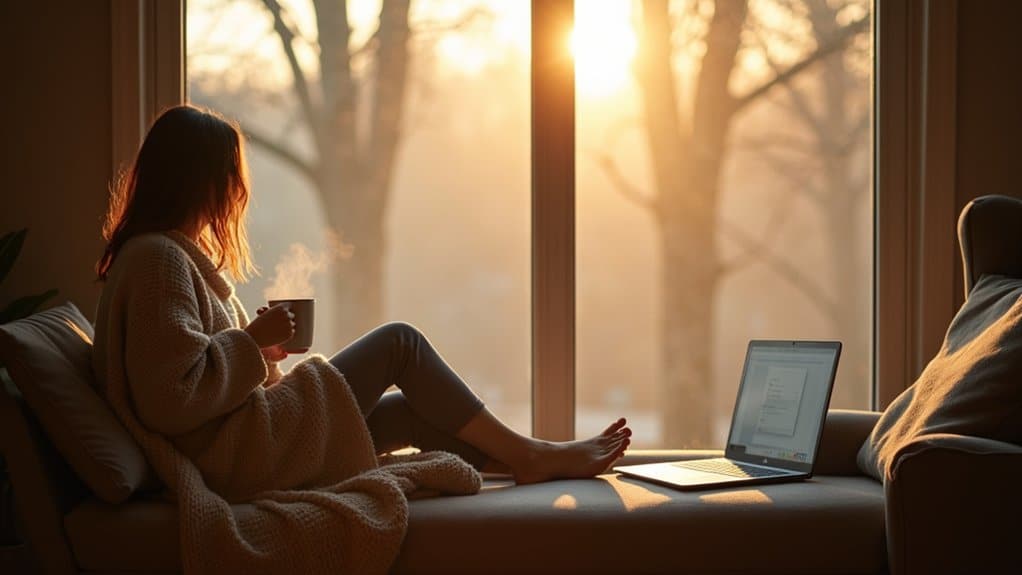
Natural light enhances mood and creates warmth you can’t replicate artificially. Strategic window placement reduces dependence on overhead fixtures. When you pair this with dimmable systems, therapists can adapt brightness to each client’s needs, reinforcing autonomy and comfort. Prioritizing natural light in the overall design has been shown to lower stress and anxiety, making it a foundational element of any therapeutic space. Creating a lighting and anxiety recovery environment fosters a sense of tranquility that is essential for effective therapy. Incorporating elements like soft textures and calming colors can further enhance this relaxing atmosphere.
A calming clinic environment anxiety patients trust avoids dark corners and extreme contrasts that trigger unease. Proper lighting management balances safety with emotional softness, setting a tone that supports openness.
Furniture and Layout Strategies That Build Trust in Therapy Rooms
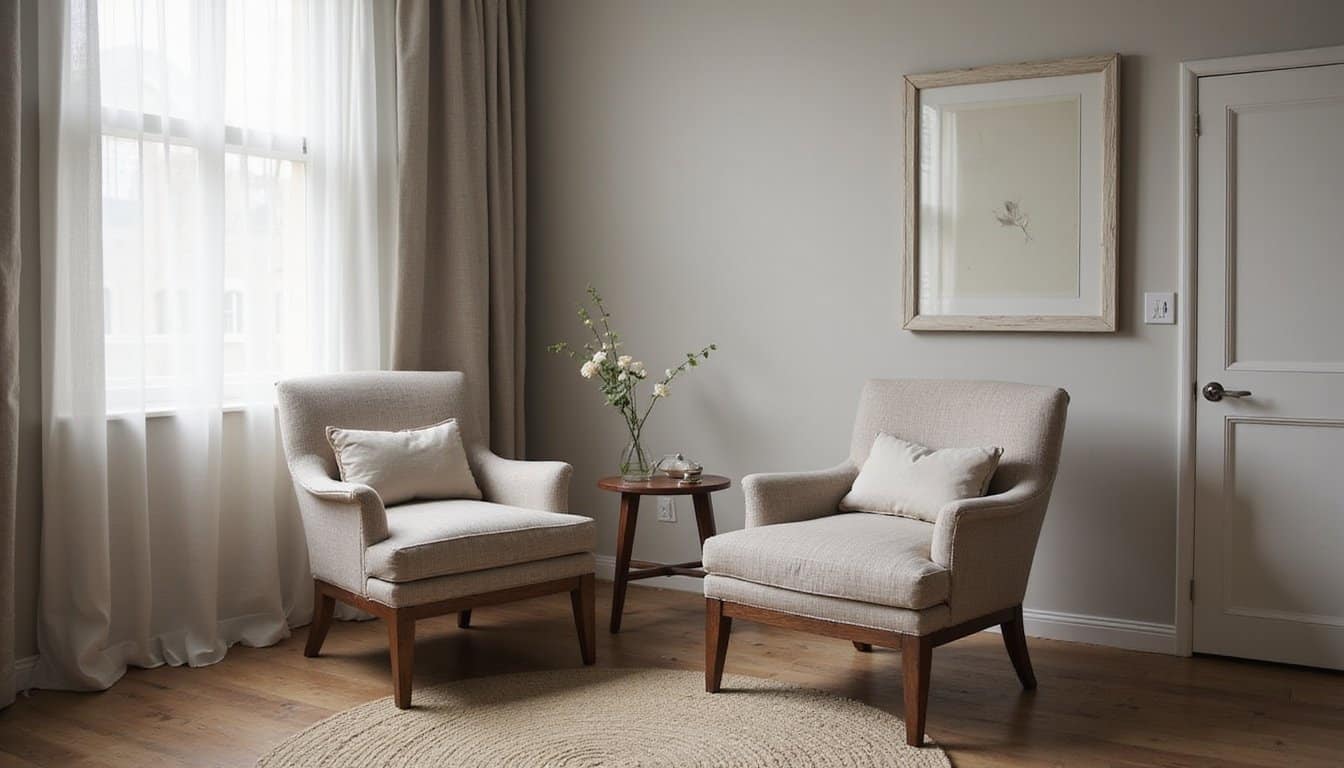
Though lighting establishes the emotional tone of a session, it’s the furniture and layout that shape how physically safe and psychologically open a client feels the moment they sit down. A counseling room setup calming enough to reduce defensiveness starts with equal-height seating angled at 45-90 degrees, maintaining 4-6 feet of distance to balance connection with personal space. Anxiety friendly bedroom design can also benefit from using soft colors and comfortable textures. Incorporating elements like plants and personal artwork can create a sense of calm and safety.
Clear sightlines to exits prevent trapped-feeling sensations that trigger anxiety. Rounded furniture edges create visual softness, while cushions with proper back support reduce physical discomfort during vulnerable moments. Effective therapy environment anxiety support also depends on spatial openness, unobstructed pathways and balanced layouts regulate your nervous system and build trust. Moveable chairs and flexible options like floor cushions accommodate diverse needs across therapeutic modalities. Incorporating nonconfrontational seating arrangements empowers clients by supporting open dialogue rather than creating adversarial dynamics that increase defensiveness.
How Soundproofing Protects Privacy and Puts Clients at Ease
Even after the furniture arrangement signals safety, a client’s sense of ease can shatter if they hear muffled voices from the next room, or suspect others can hear theirs. Sound isolation is essential to anxiety friendly therapy space design. When conversations leak through walls, doors, or ductwork, clients hesitate to disclose sensitive information, undermining trust and therapeutic progress. Creating a stress-free healing environment is vital for fostering openness in therapy. When clients feel secure and unobserved, they are more likely to share their experiences authentically.
Effective therapy space design for anxiety integrates multiple soundproofing layers. Fiberglass-core acoustic panels absorb sound waves, while resilient isolation clips decouple walls to block transmission. Acoustic caulk seals gaps around doors, windows, and ducts, and door sweeps prevent sound from escaping underneath. Inside the room, absorptive surfaces like thick rugs and soft furnishings reduce reverberation to a target of 0.3, 0.5 seconds, keeping conversations feeling contained and intimate.
Natural Elements That Create Calm in Therapy Space Design
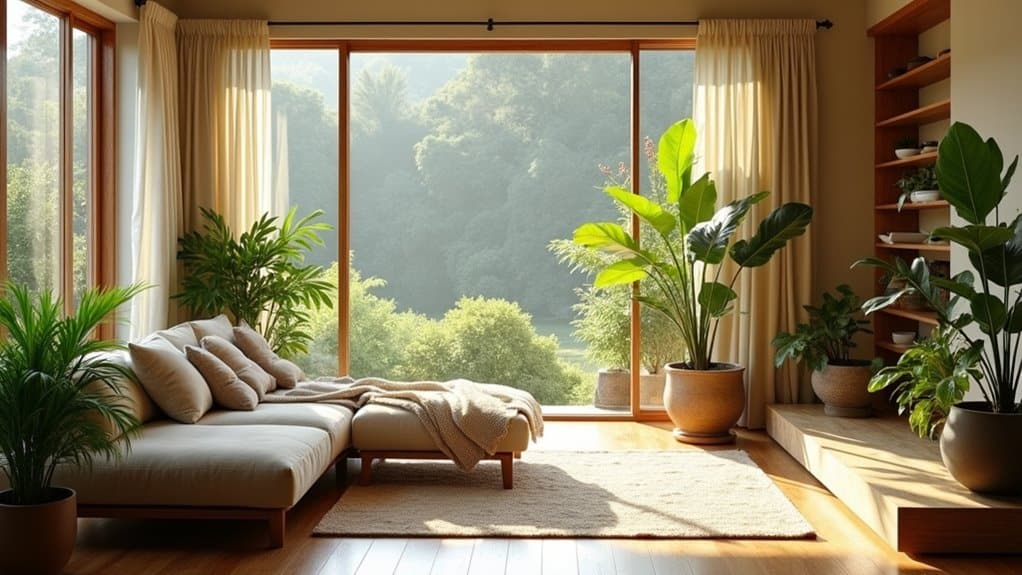
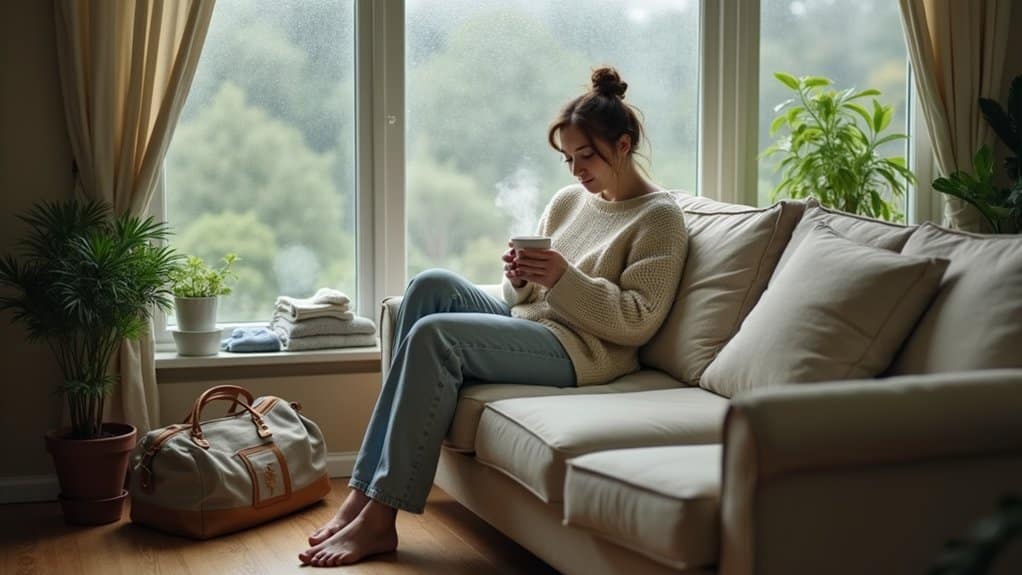
Once soundproofing secures auditory privacy, the next layer of calm comes from what clients see, touch, and sense around them, natural elements woven into the room itself. Snake plants and peace lilies stimulate your parasympathetic nervous system, promoting relaxation while improving air quality. Natural light, softened through sheer fabrics, regulates your circadian rhythm and supports mental clarity. Earth tones, sage greens, and dusty blues create soothing backdrops that reduce visual stress.
Natural materials and textures like wood, stone, linen, and jute offer grounding, tactile experiences that connect you to steadiness. Biophilic design features, preserved moss walls, water fountains, and botanical prints, directly reduce anxiety and mental fatigue. Together, these elements transform a therapy room into a space where your nervous system can settle before a word is spoken.
Call Now and Get the Help You Need
Anxiety has a way of making everyday life feel heavier than it should but real relief is within reach when you have the right people beside you. At Villa Healing Center, we provide Anxiety Treatment built around your needs to help you find lasting peace. Serving individuals throughout Los Angeles County, our compassionate team is ready when you are. Call (888) 669-0661 today and take the first step toward healing.
Frequently Asked Questions
How Much Does It Typically Cost to Redesign a Therapy Office?
You’ll typically spend $500, $2,000 per room on décor and ambiance updates. If you’re doing a light refresh with paint and carpet, expect $10, $50 per square foot. More involved remodeling with wall reconfiguration runs $60, $110 per square foot, and hiring a designer adds $4, $15 per square foot. By prioritizing calming tones, comfortable seating, and minimal distractions, you can create a human-centered space that supports emotional safety without overspending.
Can Virtual Therapy Sessions Replicate the Calming Effects of Physical Spaces?
Virtual therapy sessions can’t fully replicate the calming effects of a well-designed physical space. You lose tangible elements like soft lighting, comfortable furniture, and carefully chosen colors that reduce your anxiety. However, you can adapt some principles, controlling your own environment, minimizing distractions, and choosing calming backgrounds. While research specifically comparing these modalities’ spatial effects remains limited, you’ll find that intentionally curating your virtual setting helps bridge the gap between digital and in-person therapeutic comfort.
How Often Should Therapy Spaces Be Updated or Renovated?
There’s no established standard for how often you should renovate your therapy space, as research hasn’t defined specific timelines. However, you’ll want to regularly assess your environment’s impact on clients’ comfort and emotional safety. You should refresh elements like lighting, seating, and color when they show wear or no longer support a calming atmosphere. Prioritize updates based on client feedback and evolving evidence about how design influences therapeutic outcomes.
Do Clients Have Input in How Their Therapist’s Office Is Designed?
You typically don’t have direct input in how your therapist designs their office. Therapists generally make intentional choices about lighting, colors, textures, and scents based on evidence-backed principles that reduce anxiety and promote emotional safety. However, you can share feedback about your comfort during sessions. If certain elements, like bright lighting or strong scents, affect your experience, speaking up helps your therapist make adjustments that better support your healing process.
Are There Certification Programs for Designing Mental Health Therapy Spaces?
You won’t find many certifications specifically for designing mental health therapy spaces, but several programs come close. The Center for Health Design offers an Evidence-Based Design (EBD) framework that’ll guide your environmental decisions. Ed2Go provides a Certificate in Healing Environments for Body, Mind, and Spirit, covering psychological and physical elements of healing spaces. ArtCenter College of Design also offers coursework connecting design thinking directly with mental wellness initiatives.