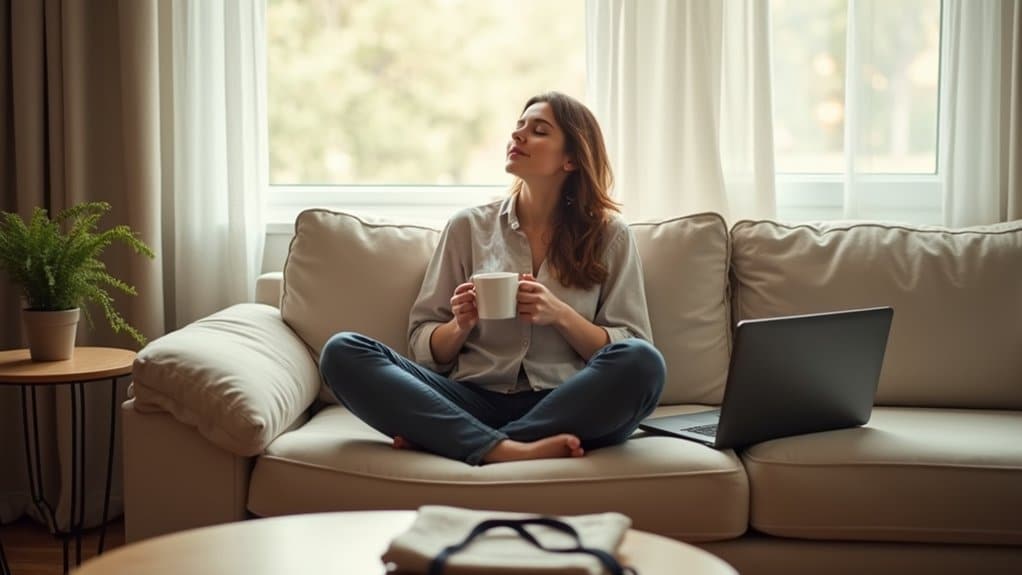
Your brain processes light and color as potential threat or safety signals, triggering measurable changes in stress hormones and neurotransmitters. Warm amber tones lower cortisol faster than any other hue, while red wavelengths actively increase anxiety and disrupt sleep. Blue and green light can calm you, but timing and brightness matter greatly. By understanding how hue, saturation, and color temperature work together, you’ll discover practical ways to reshape your environment for lasting relief.
Your Brain Treats Light and Color as Anxiety Signals
When light enters your eyes, your brain doesn’t just process an image, it evaluates a potential threat. Your nervous system routes color information through stress response pathways, triggering measurable physiological changes. EEG studies confirm that specific hues activate distinct neural patterns, meaning your brain responds to color before you’re consciously aware of it.
The lighting effects on mood anxiety are significant. Blue wavelengths suppress melatonin and heighten alertness, while red wavelengths produce minimal neurological activation. Understanding color properties’ role in anxiety signaling reveals that brightness, saturation, and hue collectively determine your anxiety response intensity. High-saturation colors amplify arousal, while muted tones dampen it. Reducing anxiety with lighting and color starts with recognizing these involuntary neurological responses your brain produces daily. Research from the Color Lab found that amber light is the most relaxing color during stress recovery, with participants reporting subjective feelings of calm linked to natural light experiences such as sunsets.
Amber Light Reduces Stress Faster Than Any Other Color
Although your brain reacts to every color on the spectrum, not all wavelengths carry equal weight in calming your nervous system. UC Davis researchers used EEG monitoring and cortisol sampling to compare amber light stress recovery against other wavelengths. Amber outperformed every color tested, lowering cortisol faster and shifting brainwaves toward relaxation more rapidly than white, red, green, or blue light.
| Light Color | Stress Recovery Effect |
|---|---|
| Amber | Fastest recovery across all measures |
| White | Baseline control performance |
| Green | No measurable advantage over white |
| Blue | Slowed recovery compared to amber |
This makes amber the strongest candidate for calming lighting for anxiety. Its wavelengths mimic sunset light, activating your parasympathetic nervous system, a foundation for effective color and light therapy anxiety interventions. These findings have already driven pilot implementations at hospitals, including UC Davis and UC Irvine Medical Centers, where circadian lighting systems are being integrated for patient stress reduction.
Red Light Makes Anxiety and Anger Worse
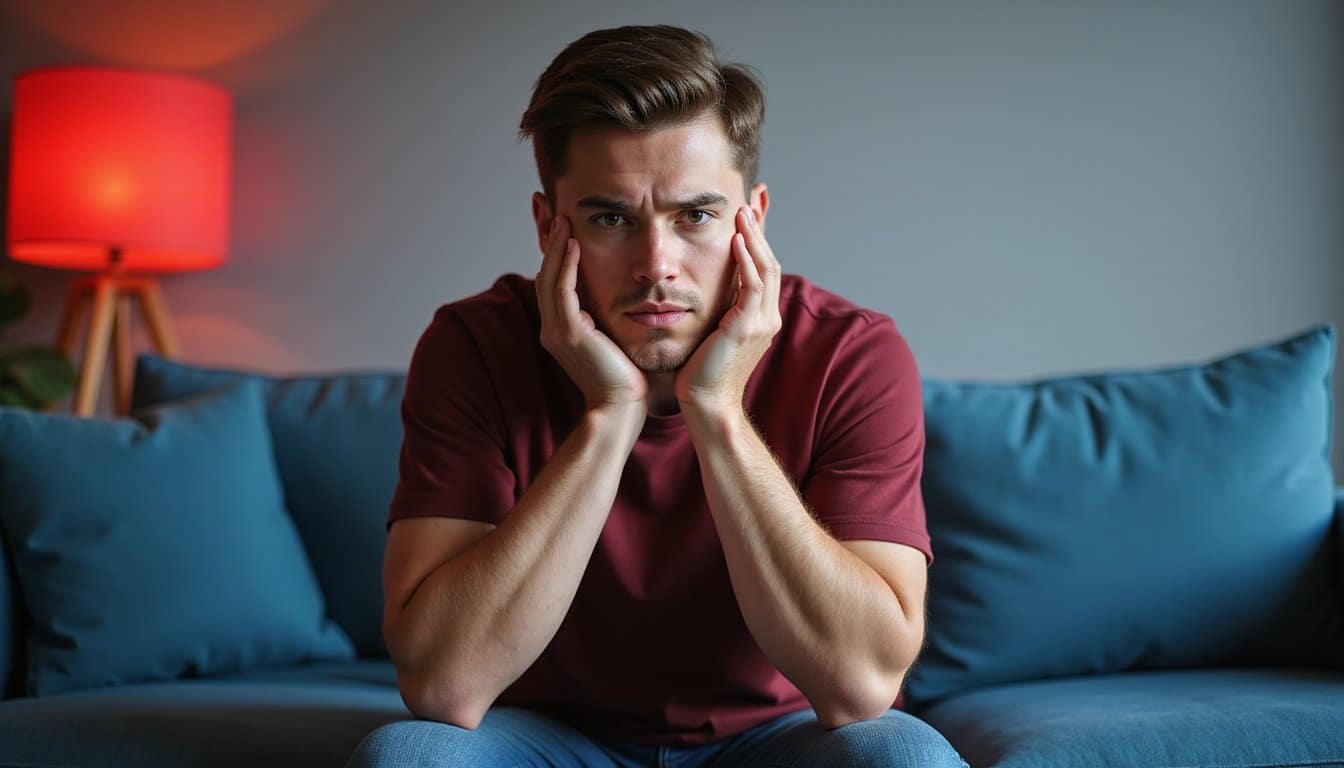
Because red light sits at the opposite end of the spectrum from calming amber, its effects on your nervous system move in a sharply different direction. Research shows red light makes anxiety worse by markedly increasing anxiety scores and negative emotions compared to white light and dark conditions. If you’re already prone to insomnia, pre-sleep red light exposure heightens subjective alertness, compounding your anxiety response when you need calm most.
The connection between lighting and color anxiety isn’t abstract. Red light fragments your REM sleep, increases non-moving arousals, and lengthens sleep onset latency through elevated negative emotions. These disruptions erode emotional stability over time. Specifically, negative emotions were found to have mediating effects on sleep onset latency in individuals with insomnia disorder, showing how red light undermines rest through both direct and indirect pathways. For genuine ambient lighting anxiety support, you’ll want to avoid red wavelengths before bed and choose tones that quiet your nervous system rather than activate it.
Blue Light Calms Anxiety but Timing Matters
This timing sensitivity highlights how profoundly your visual environment anxiety impact extends beyond aesthetics. You’re not just seeing light, you’re absorbing it neurobiologically. Morning blue light boosts serotonin and circadian alignment; evening exposure disrupts both.
Green Light Lowers Anxiety Through Nature Associations

When you step into a green-lit space or walk through a leafy environment, your brain doesn’t just register a color, it triggers a cascade of neurochemical responses rooted in deep evolutionary associations. Green light lowers anxiety by boosting serotonin and dopamine production, promoting relaxation without pharmaceutical intervention. Your cortisol levels drop, heart rate slows, and blood pressure can decrease up to 9% with regular exposure.
Effective therapy lighting and color design replicates these natural benefits indoors. Green wavelengths simulate forest environments, activating the same neurochemical pathways as shinrin-yoku. Just 20 minutes of exposure produces measurable stress reduction. When paired with soft lighting anxiety relief strategies, green light creates a restorative experience, helping you restore attention, elevate mood, and build sustained emotional resilience. Creating a trauma recovery safe space involves not just physical comfort but also emotional safety. Incorporating elements that promote healing can significantly enhance the recovery process.
How Brightness and Color Temperature Shift Anxiety
Beyond the color of light itself, two often-overlooked factors, brightness level and color temperature, play a direct role in whether a space eases or amplifies your anxiety. Warm light between 2700K and 3000K produces measurable calming effects on your nervous system, while prolonged cool-light exposure can elevate tension and stress. Understanding how lighting affects anxiety levels helps you make informed adjustments at home and work.
Brightness matters equally in color and lighting mental health. Bright environments boost alertness but can heighten anxiety in relaxation spaces. Dim lighting promotes calm, though excessive dimness risks lowering mood. Dimmer switches let you calibrate intensity throughout the day. Warmer evening tones also support melatonin production, reinforcing your circadian rhythm and reducing stress hormone cycles naturally.
Changing Light Colors Prevents Anxiety From Building
When you’re exposed to gentle shifts in light color, such as changes between soft amber and cool blue, your nervous system stays engaged without becoming overstimulated, actively preventing anxiety from accumulating. In contrast, static lighting conditions can leave you stuck in a single emotional state, allowing tension to build unchecked over time. Multicolor environments that cycle through calming hues help stabilize your mood by providing varied sensory input that mirrors the natural rhythms your brain is wired to find soothing.
Dynamic Colors Reduce Anxiety
Though static lighting can create a calming baseline, introducing gentle color shifts over time may prevent your mind from habituating to a single stimulus, and potentially keep anxiety from quietly building. Research on amber light exposure suggests it reduces stress markers, and seasonal color variations appear to influence emotional responses, hinting that your brain may benefit from thoughtful color changes rather than fixed environments.
However, direct research on dynamic color-changing systems and anxiety prevention remains limited. Most existing studies examine static color properties like saturation and wavelength rather than how gradual shifts affect stress accumulation over time. What we do know is that pairing warm lighting with neutral tones reduces overstimulation. If you’re exploring dynamic lighting, prioritize slow, subtle changes between calming hues to avoid introducing new sources of sensory stress. Natural light and anxiety recovery can also play a vital role in enhancing overall well-being. Studies indicate that exposure to natural light helps regulate mood and can alleviate symptoms of anxiety.
Static Lighting Worsens Emotions
The benefits of dynamic color shifts depend partly on what they’re replacing, and static lighting, particularly fluorescent, can actively worsen emotional states rather than simply failing to improve them. When you’re exposed to unchanging fluorescent light, your body and mind face compounding stressors that undermine emotional regulation.
- Discomfort is disproportionate: 75% of anxiety disorder patients reported fluorescent lighting discomfort versus 25% of healthy individuals
- Avoidance instincts activate: 73.7% of anxiety patients would leave a fluorescent-lit room entirely
- Negative memories surface: Static fluorescent environments trigger associations with hospitals, old buildings, and headaches
- Circadian rhythms destabilize: Blue-spectrum fluorescent light suppresses melatonin and disrupts hormonal balance
- Therapeutic engagement suffers: Light sensitivity reduces your ability to focus, absorb coping strategies, and engage openly in treatment settings
Multicolor Stabilizes Mood
Because static lighting traps your nervous system in a single-stimulus loop, introducing multicolor light variation gives your brain the shifting input it needs to stay regulated. Different colors activate distinct emotional pathways, preventing overactivation of any single stress response. This diversity maintains consistent serotonin and dopamine levels, building neurological resilience against anxiety accumulation. Research has shown that color temperature and stress levels are closely linked, with cooler tones often promoting calmness and focus. By adjusting lighting to suit the activities at hand, one can effectively manage mood and productivity.
| Color | Mood Effect |
|---|---|
| Amber | Reduces cortisol, promotes calm |
| Red | Increases relaxation and pleasure |
| Blue | Counteracts mental fatigue |
| Green | Reduces irritation, stabilizes mood |
| Cool White | Stimulates serotonin production |
Sequential color exposure throughout your day prevents habituation, keeping your neurochemistry responsive rather than flatlined. You’re not just decorating, you’re actively supporting balanced neurotransmitter function that resists mood destabilization.
Cool vs. Warm Light for Anxiety Relief
When you’re feeling drained, cool light in the 4000, 5000K range can help reduce fatigue and sharpen your focus, but it won’t calm anxious tension the way warm light does. Warm light between 2700, 3000K activates your parasympathetic nervous system, easing irritability and anger by signaling your body that it’s safe to relax. The temperature of your lighting directly shapes your comfort level, so matching it to your emotional needs throughout the day can make a measurable difference in how you feel.
Cool Light Reduces Fatigue
Although most people associate cool, blue-toned light with screen fatigue and restless nights, research shows it can actually reduce physical and mental exhaustion when used at the right time. Blue light therapy, just 15 minutes daily over five consecutive days, significantly lowered fatigue severity scores in post-COVID patients. It also increased serotonin and tryptophan levels, neurochemicals you need for mood stability and energy regulation.
Here’s what the evidence supports about cool light and fatigue:
- Blue light activates your circadian system through the retinothalamic tract and suprachiasmatic nucleus
- Repeated exposure alleviates daytime sleepiness across multiple patient populations
- Evening light interventions reduced work errors by 67% compared to baseline
- Cancer survivors and depression patients showed measurable fatigue improvement
- Morning natural light exposure reduced sleepiness confirmed via EEG measurement
Warm Light Eases Anger
Cool light may fight fatigue, but it doesn’t address every emotional dimension of anxiety, especially anger and agitation. When you’re feeling irritable or emotionally reactive, warm lighting between 2700K and 3000K offers a distinct advantage. It mimics the natural glow of sunsets and firelight, triggering melatonin production and signaling your brain to wind down.
Research on amber light specifically shows it delivers the fastest stress mitigation among tested colors, generating a calm, relaxed state after stressful events. You’ll likely find warm light more pleasant than cool alternatives, which participants often described as dazzling and too intense.
For managing anger-related anxiety, dimmable warm lighting gives you control over your environment, letting you adjust brightness to match your emotional needs throughout the day.
Temperature Affects Comfort
The color temperature of your lighting directly shapes how your body processes anxiety. Cool white light (4000K+) mimics midday sun, triggering heightened vigilance that can amplify your stress response over time. Warm light (2700K, 3000K), by contrast, supports melatonin production and promotes physiological unwinding.
Research shows warm light consistently produces higher calmness ratings, while cool light correlates with increased anger, depression, and decreased visual comfort during extended exposure.
Key findings on light temperature and anxiety:
- Cool light elevates cortisol without offering stress mitigation benefits
- Warm light stabilizes anxiety trait scores during prolonged exposure
- Warm light’s sunset-like quality activates comfort-associated neurological responses
- Cool light decreases perceived environmental warmth, reducing relaxation
- Anxiety escalation under cool light compounds over time rather than plateauing
Why Red, Green, and Blue Alone Slow Stress Recovery
When researchers isolate single wavelengths of light, red, green, or blue, each one offers measurable benefits on its own, from blue light’s ability to accelerate post-stress relaxation to green light’s calming effect on the nervous system and red light’s support for cellular recovery.
| Color | Primary Benefit | Key Action |
|---|---|---|
| Blue | Faster relaxation | Accelerates post-stress recovery ~3x faster than white light |
| Green | Nervous system calm | Reduces stress markers |
| Red | Cellular support | Lowers inflammation |
However, you shouldn’t assume that using one wavelength alone gives you the full picture. Current research hasn’t confirmed that isolated colors slow recovery, rather, each wavelength targets specific pathways. You’ll likely get the most complete anxiety relief when these wavelengths work together, supporting your body’s stress response from multiple angles simultaneously.
How to Set Up Anxiety-Reducing Light at Home
You can create a calming light environment at home by choosing amber-toned lighting, which research shows produces the fastest cortisol reduction compared to other color options. Pairing amber with dynamic color cycling, gradually shifting between soft hues, helps prevent sensory habituation and sustains your body’s relaxation response over time. You’ll also want to keep brightness levels low, especially in the evening, since dim lighting supports melatonin production and signals your nervous system to wind down.
Choose Amber Over Red
Although red light often gets recommended for relaxation, amber light offers a more practical and effective option for reducing anxiety at home. UC Davis research found that amber light creates a measurably calm state after stressful events, while red light’s excessive dimness limits everyday functionality.
Amber light (590, 620 nm) filters blue wavelengths without sacrificing usable brightness, making it ideal for evening reading and household tasks.
Here’s how you can implement amber lighting effectively:
- Replace standard bulbs with dimmable amber LEDs throughout your home
- Begin shifting to amber light 2, 3 hours before bedtime
- Install amber nightlights in bathrooms and hallways
- Use smart bulbs with adjustable color temperature settings
- Eliminate blue light sources completely in your bedroom
Clinical trials show amber-tinted light exposure correlates with improved sleep quality and reduced anxiety.
Use Dynamic Color Cycling
Dynamic color cycling, gradually shifting between calming hues like soft blue, green, and amber, takes a different approach than static lighting by gently altering your visual environment over time. This gentle change prevents your brain from habituating to a single stimulus, keeping the calming effect active without introducing overstimulation.
To set this up at home, you’ll need smart bulbs or LED strips that support programmable color sequences. Set changes to shift slowly, every 20 to 30 minutes, between your chosen palette. Avoid abrupt alterations or saturated tones, as these can heighten tension rather than ease it.
While specific research on dynamic cycling remains limited, the underlying principle aligns with what is understood: soft lighting paired with calming colors reduces stress. You’re simply layering that benefit across multiple hues over time.
Adjust Brightness Levels Low
When your goal is to reduce anxiety through lighting, lowering overall brightness is one of the most effective changes you can make. Harsh, overly bright environments increase tension and overstimulate your nervous system. By strategically reducing lux levels and using control systems, you’ll create spaces that actively support relaxation.
- Aim for 300 lux in living rooms and 150 lux in relaxation zones to minimize overstimulation
- Install dimmer switches so you can shift rooms from functional to restful illumination as needed
- Use smart dimming systems that automate gradual evening adjustments mimicking natural dusk
- Position lights toward walls and ceilings rather than directly above seating areas
- Create soft pools of light to prevent harsh contrasts that trigger eye strain and anxiety
Call Now and Get the Help You Need
Anxiety has a way of making everyday life feel heavier than it should but real relief is within reach when you have the right people beside you. At Villa Healing Center, we provide Anxiety Treatment built around your needs to help you find lasting peace. Serving individuals throughout Los Angeles County, our compassionate team is ready when you are. Call (888) 669-0661 today and take the first step toward healing.
Frequently Asked Questions
Can Anxiety-Reducing Lighting Techniques Be Effective for Children and Elderly Populations?
Yes, you can effectively reduce anxiety in both children and elderly populations through tailored lighting strategies. For children, you’ll want to replace harsh overhead lights with soft alternatives like fairy lights, creating calm, regulated emotional states. For seniors, you’d use warm amber tones (2700 K) to lower arousal and morning bright light therapy to stabilize circadian rhythms. By combining appropriate color temperatures with intentional lighting design, you’re supporting each group’s unique neurological and emotional needs.
Do Screens and Digital Devices Counteract the Benefits of Anxiety-Reducing Lighting?
Yes, screens and digital devices can counteract your anxiety-reducing lighting setup. When you’re surrounded by calming warm tones and soft lighting, a bright screen introduces harsh blue light that increases overstimulation and tension. This disrupts the relaxed environment you’ve carefully created. You’ll benefit most by dimming your device brightness, using night mode filters, and limiting screen time in spaces you’ve designed for calm. Your whole environment matters, not just your overhead lights.
How Long Should Someone Sit Under Calming Light to Feel Results?
You should start with 20, 30 minutes daily under a 10,000 lux light, ideally between 6:00 and 9:00 a.m. You’ll likely notice improvements within a few days, though meaningful changes typically emerge after two consistent weeks. If you don’t see results by day 14, you can gradually increase sessions to 45, 60 minutes. Remember, everyone’s response is different, so it’s worth adjusting duration, timing, and intensity based on how your mind and body respond.
Does Combining Scent Therapy With Colored Lighting Enhance Anxiety Reduction Further?
Yes, combining scent therapy with colored lighting can enhance your anxiety reduction considerably. When you pair cool blue or amber lighting with calming aromas like lavender or chamomile, you’re stimulating multiple nervous system pathways simultaneously. This dual sensory approach creates a cumulative calming effect that’s stronger than either method alone. You’ll experience deeper relaxation as the scents influence your stress hormones while the light regulates your body’s natural rhythms.
Are Anxiety-Reducing Lighting Effects Different for People With Color Vision Deficiency?
Research hasn’t yet confirmed whether anxiety-reducing lighting works differently if you have color vision deficiency. You might perceive certain light hues differently, which could change how calming they feel. However, you’ll likely still benefit from soft, warm lighting and reduced glare, since these effects don’t rely solely on color perception. If you’re color vision deficient, you’d benefit from lighting strategies that prioritize brightness and warmth over specific color wavelengths.