Your environment directly shifts the hormones and brain circuits behind anxiety. Blue light from screens suppresses melatonin by over 70%, raising cortisol levels that keep you wired. Background noise nearly doubles anxiety prevalence, while clutter triggers a low-grade fight-or-flight state. Poor air quality increases anxiety risk by up to 15%. But small changes, like nature exposure, softer lighting, and organized spaces, can rapidly lower your stress load, and the strategies below show you exactly how.
How Your Environment Directly Affects Anxiety
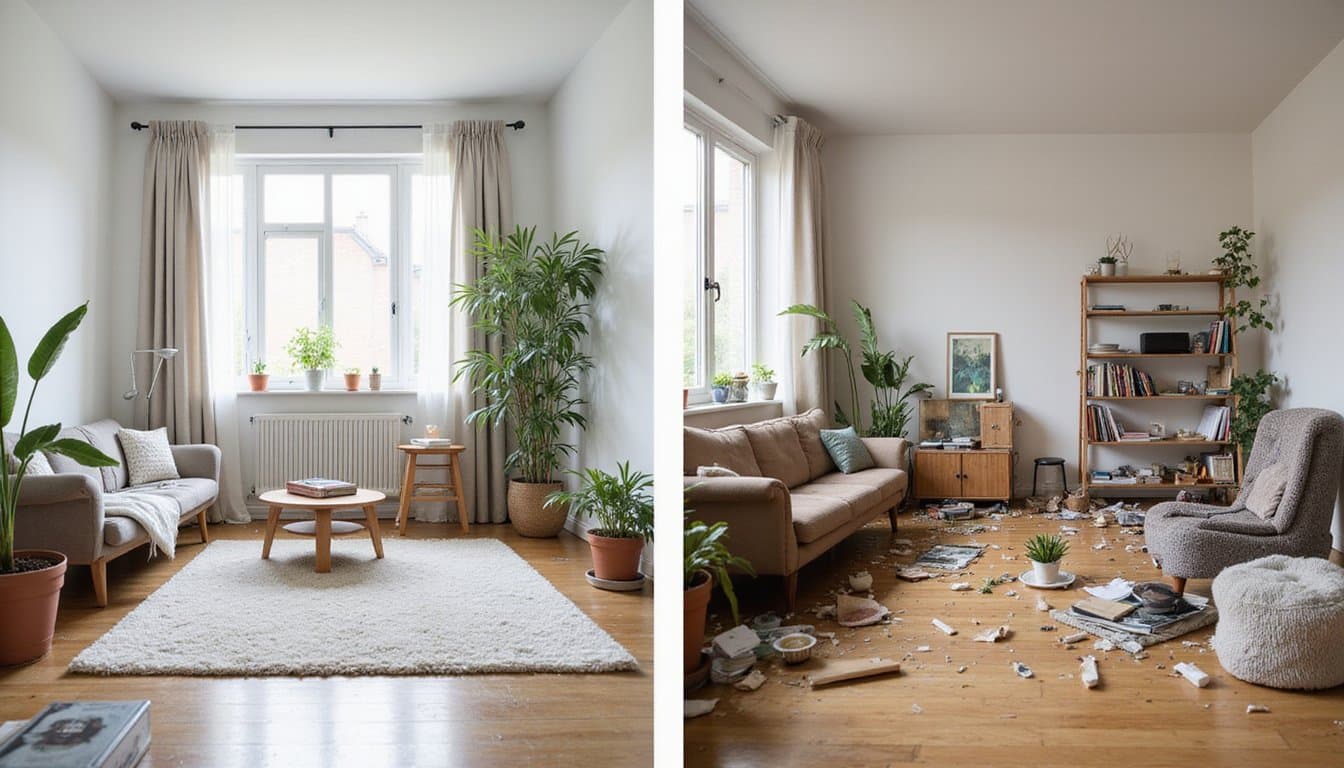
You can actively reduce anxiety through environment by improving air circulation, accessing green spaces, and creating calmer surroundings. These aren’t superficial changes, they reshape the physiological conditions driving your anxiety, supporting lasting emotional stability. Research confirms a strong negative correlation between environmental perception and anxiety, with poorer perceptions linked to higher symptom severity. Sensory overload and anxiety connection often arise in crowded or noisy environments, exacerbating feelings of stress and unease. Implementing sensory-friendly spaces can significantly alleviate these symptoms, allowing individuals to regain a sense of calm and control.
Light, Screens, and Melatonin Disruption
The light in your environment does more than set a mood, it directly influences your body’s melatonin production, with even standard room lighting suppressing this essential sleep hormone by over 70% before bedtime and blue light from screens doubling the disruption compared to other wavelengths. When evening screen use delays melatonin onset, your cortisol levels can rise at the wrong times, creating a hormonal environment that heightens anxiety and stress reactivity. Research shows that room light exposure caused later melatonin onset in 99% of individuals, shortening melatonin duration by approximately 90 minutes compared to dim light conditions. Switching to warm, dim lighting in the hours before bed helps restore your body’s natural rhythm, reducing the neurochemical tension that keeps your mind on alert.
Blue Light Suppresses Melatonin
Because blue light operates within a narrow band of the visible spectrum, specifically between 446 and 477 nanometers, it suppresses melatonin more powerfully than any other wavelength, regardless of overall brightness. This environmental impact on mental health anxiety is significant: Harvard research found blue light suppressed melatonin twice as long as green light (3 hours versus 1.5 hours).
| Light Wavelength | Melatonin at 3 Hours |
|---|---|
| Blue (446, 477 nm) | 8.4 pg/mL |
| Red (631 nm) | 34.2 pg/mL |
| Green | Moderate suppression |
Your daily environment and stress levels are directly shaped by screen exposure. Blue light drove melatonin down to 7.5 pg/mL after two hours, while red light allowed recovery to 26.0 pg/mL. Creating a calming environment for anxiety means reducing blue light exposure, especially at night. Even dim light at eight lux can interfere with circadian rhythms and melatonin levels, making it critical to minimize all artificial light sources in your sleeping environment.
Screen-Induced Stress Hormones
Beyond melatonin suppression, light from screens triggers a second hormonal disruption, one that directly fuels anxiety. Prolonged screen time increases stress hormone production by overstimulating your brain’s stress and reward pathways. The average adult spends eleven hours daily engaged with digital media, and this constant exposure elevates cortisol levels that accumulate rather than resolve.
Your nervous system enters a state of continuous partial attention, sustaining hormonal imbalance that keeps you wired. Circadian rhythm disruption from evening screen exposure compounds the problem, cortisol remains elevated when it should decline, blocking your body’s natural wind-down process. This creates a persistent feedback loop where environment and anxiety triggers reinforce each other. Each notification, each scrolling session, pushes your stress response further from baseline, making genuine relaxation increasingly difficult to achieve.
Warm Lighting Reduces Anxiety
While screens flood your environment with stress-amplifying light, switching to warm lighting at around 2700K offers a direct counterbalance, measurably reducing anxiety and shifting your body’s stress response toward recovery.
Amber-toned warm lighting triggers serotonin release while lowering cortisol levels, producing both subjective relaxation and objective physiological improvements. Brainwave monitoring confirms accelerated stress recovery under these conditions, making anxiety relief through environment changes not just perceptible but scientifically verifiable.
Your surroundings and anxiety levels are more connected than you’d expect. Red light below 2000K spikes tension almost immediately, while cool white light above 6000K contributes to burnout and headaches over time. Warm lighting hits the neurological sweet spot, mimicking sunset cues that signal safety to your nervous system without sacrificing alertness or cognitive engagement.
How Noise and Poor Air Quality Fuel Anxiety
You might not realize it, but the background noise in your environment is actively shaping your anxiety levels, research shows that even moderate noise annoyance nearly doubles anxiety prevalence, while a 10-decibel increase in aircraft noise raises anxiety medication use by 28 percent. Poor air quality compounds this burden by altering brain regions involved in emotional regulation, including reduced gray matter in the prefrontal cortex and medial temporal areas that help you manage stress responses. By identifying and reducing these environmental triggers, you can take meaningful steps toward lowering the physiological stress load your surroundings place on your nervous system.
Background Noise Stress Effects
Even subtle, persistent sounds, a humming refrigerator, distant traffic, a droning fan, can trigger your body’s stress response in ways that quietly erode mental and physical health. Your amygdala detects these signals and activates cortisol release, initiating the same fight-or-flight cascade that high-intensity noise produces. Over time, this chronic activation fuels inflammation, elevating your risk for anxiety by 9% and depression by 4%.
Understanding the environment influence on anxiety reveals why mental health environment design matters. Background noise stress effects impair concentration, disrupt sleep recovery, and overstimulate your nervous system, making relaxation increasingly difficult. Nighttime noise disrupts parasympathetic restoration even without waking you, dysregulating stress hormones and compounding daytime fatigue. Addressing these invisible stressors creates measurable improvements in emotional stability and cognitive function.
Poor Air Quality Impacts
Beyond the sounds that quietly activate your stress response, the air you breathe carries its own invisible threat to emotional stability. Research links PM2.5 exposure to a 12-15% increased anxiety risk across exposure windows spanning one month to 15 years. These poor air quality impacts work through oxidative stress and neuroinflammation, altering frontolimbic brain regions that regulate emotion. Among anxiety triggers in surroundings, particulate matter uniquely affects neurotransmitter pathways tied to stress regulation.
| Exposure Window | Anxiety Risk Increase | Primary Mechanism |
|---|---|---|
| 1 Month | ~12% | Neuroinflammation |
| 6 Months | 10-15% | Oxidative stress |
| 15 Years | ~13% | Gray matter volume loss |
Understanding home environment anxiety symptoms means recognizing that indoor air quality directly shapes your brain’s capacity for emotional regulation.
Reducing Environmental Anxiety Triggers
Both particulate matter and noise pollution share a common pathway: they hijack your brain’s stress response systems before you’re even aware it’s happening. Your amygdala sends distress signals to the hypothalamus, flooding your body with adrenaline and cortisol, often faster than conscious thought.
Understanding how environment reduces anxiety starts with addressing these invisible triggers. You can reduce noise exposure by using sound-dampening materials, sealing window gaps, or introducing white noise machines. For air quality, HEPA filters and proper ventilation directly lower inflammatory particulate levels indoors.
Your living space and anxiety are deeply connected. Small, intentional changes, organizing cluttered areas, controlling noise sources, improving airflow, interrupt chronic stress activation. Over time, these adjustments help stabilize your HPA axis response, reducing the physiological cascade that transforms environmental stressors into persistent anxiety symptoms.
Clutter, Chaos, and the Anxious Brain
When your brain encounters a cluttered environment, it doesn’t simply ignore the mess, it launches a rapid, measurable response within 200 milliseconds of visual exposure. Your prefrontal cortex and anterior cingulate cortex activate immediately, working to suppress irrelevant stimuli. This constant filtering depletes cognitive resources you’d normally use for focused thinking and emotional regulation.
Meanwhile, your HPA axis responds by elevating cortisol levels, triggering a low-grade fight-or-flight state. Research published in *Personality and Social Psychology Bulletin* confirmed higher cortisol in people describing their homes as cluttered. Over time, sustained cortisol elevation damages your hippocampus, impairing memory and emotional regulation. This creates a feedback loop, worsening anxiety makes organizing harder, which deepens the clutter, which intensifies the anxiety.
Seasonal Shifts, Weather, and Anxiety Flare-Ups

When the seasons shift, your body responds in ways you might not immediately connect to anxiety, changes in daylight alter your serotonin and melatonin levels, disrupting sleep and destabilizing mood long before you recognize what’s happening. Extreme weather compounds the effect, as heat waves fuel irritability and sleeplessness while prolonged cold drives isolation and inactivity, each amplifying your baseline stress. If you’ve noticed your anxiety intensifying at predictable times of year, you’re likely experiencing patterns consistent with seasonal affective disruptions that deserve targeted attention.
Daylight Changes Affect Mood
Although most people associate seasonal mood changes with the darker months of winter, shifts in daylight throughout the year can trigger anxiety flare-ups during any season. When daylight increases rapidly in spring, your brain’s serotonin system must recalibrate, potentially causing temporary imbalance that manifests as heightened anxiety or emotional volatility. In winter, reduced sunlight lowers serotonin levels and disrupts melatonin production, undermining both mood and sleep quality.
Your circadian rhythm depends on consistent light patterns. When seasons change, your internal clock struggles to adapt, producing mood swings, sleep disturbances, and persistent fatigue. Research shows 10% to 20% of recurrent depression cases follow a seasonal pattern. Morning light exposure and a 10,000-lux light box can help reset your internal clock and stabilize mood during these changes.
Extreme Weather Heightens Fear
Because severe storms, hurricanes, and other extreme weather events carry real physical danger, they activate your body’s threat-detection system in ways that everyday stressors don’t. Pre-storm stress hormones circulate before weather even arrives, sensitizing nerve endings and creating hypervigilance. Your body releases adrenaline and cortisol, triggering heart palpitations, nausea, muscle tension, and shallow breathing.
Research shows 19.8% of individuals exposed to extreme weather develop anxiety symptoms, while 30.4% display PTSD symptoms. Children face even greater risk, up to 71% of child survivors develop post-traumatic stress responses. Endless media forecasting intensifies this burden, especially for younger populations.
Perhaps most concerning, your brain can remain on high alert long after dangerous weather passes. Repeated exposure strengthens these stress responses, potentially triggering new symptoms or worsening pre-existing conditions.
Seasonal Disorder Worsens Anxiety
Extreme weather events aren’t the only atmospheric force that disrupts your mental health, the predictable cycle of changing seasons carries its own set of anxiety triggers. Shorter winter days increase melatonin production and reduce serotonin levels, impairing your nervous system’s ability to regulate stress. Spring’s daylight saving shift fragments your sleep for weeks, while pollen surges trigger inflammatory responses that heighten worry and irritability.
Beyond biology, seasonal changes disrupt your daily routines. School schedules change, holiday obligations create overwhelming stimulation, and financial pressures from seasonal spending fuel persistent anxiety. Temperature fluctuations reduce your motivation for outdoor activities, eliminating a critical source of natural stress relief. Each season layers its own triggers, making year-round awareness essential for managing anxiety effectively.
How Your Childhood Home Shaped Your Anxiety
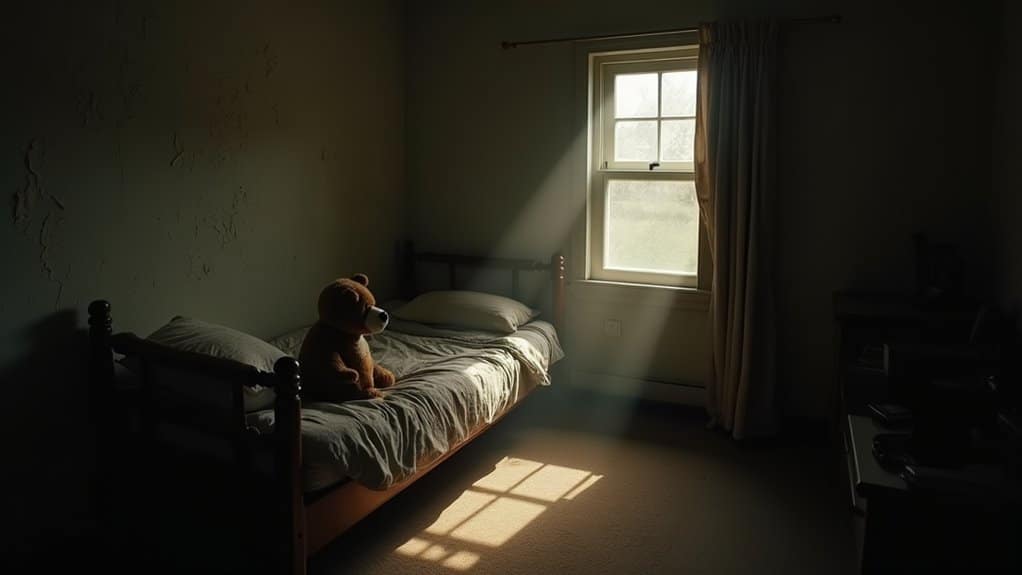
The home you grew up in didn’t just shelter you, it shaped how your nervous system learned to respond to the world. If you experienced housing insecurity, frequent moves, reduced living standards, or involuntary separation, research links these directly to heightened anxiety symptoms, independent of poverty itself. The instability created tangible, daily stress that rewired your threat response.
Physical housing quality mattered too. Leaking roofs, pest infestations, and exposed wiring increased emotional and behavioral problems in children, outweighing even residential instability as a risk factor. These conditions also strained your parents’ mental health, and their anxiety transmitted to you through social referencing, you learned stress by watching them navigate it.
These early environmental imprints don’t define you, but understanding them clarifies where your anxiety patterns began.
When Trauma Changes Your Stress Biology
When trauma reshapes your biology, it doesn’t just leave emotional scars, it fundamentally alters how your brain and body process stress. Your amygdala shifts into overdrive, treating safe stimuli as threats, while your HPA axis dysregulates cortisol production, making it harder to return to baseline.
- Your salience network rewires itself, forcing your brain to work harder through executive control networks just to distinguish safety from danger
- Your autonomic nervous system gets stuck in fight-flight-freeze mode, producing racing heartbeats and chronic fatigue even during rest
- Epigenetic changes alter gene expression in key stress-related genes like NR3C1 and FKBP5, potentially passing vulnerability to your children
- Neurotransmitter disruptions in cortisol, norepinephrine, and dopamine escalate your stress response and impair neural growth
Social Pressure, Isolation, and Anxiety Spirals
Beyond the biological rewiring that trauma inflicts on your stress systems, social environments introduce their own powerful layer of anxiety activation. When you perceive others evaluating you negatively, your body responds with rapid heartbeat, sweating, trembling, and even nausea. Anticipatory anxiety can build days before social events, fueling catastrophic thinking patterns.
This pressure drives avoidance behaviors, skipping gatherings, avoiding eye contact, staying silent in groups. While withdrawal provides short-term relief, it strengthens your anxiety response over time. You miss opportunities for connection and advancement, leading to loneliness and declining performance at work or school.
Post-event rumination compounds the cycle. You replay interactions, fixating on perceived flaws, which intensifies worry about future encounters. Without intervention, this spiral progressively narrows your world.
Environmental Swaps That Calm Anxiety Quickly
Shifting your physical surroundings can interrupt the anxiety spiral that social pressure and isolation reinforce. You don’t need a complete lifestyle overhaul, targeted environmental swaps produce measurable results. Research shows just 20 minutes of nature exposure notably decreases cortisol levels, while flowing water sounds activate your parasympathetic nervous system. Strategies for easing sensory overload can also include incorporating calming colors and textures into your space. Utilizing soft lighting and eliminating clutter promotes a more serene environment.
- Replace artificial lighting with natural light, sunlight triggers endorphin release and reduces anxiety and depression symptoms
- Swap background noise for birdsong or water sounds, these slow heart rate and lower stress hormones
- Add indoor plants like peace lilies or snake plants, they improve air quality while promoting calmness
- Walk barefoot on grass or sand, direct contact reduces muscle tension and quiets racing thoughts
These evidence-based changes rewire your environment into a calming anchor.
How to Design a Low-Anxiety Home and Workspace
Though quick environmental swaps can interrupt anxiety in the moment, designing your home and workspace with intention creates a foundation that prevents stress from building in the first place. Start with color, soft neutrals like beige, pale gray, and dusty rose calm your nervous system, while pale blues and greens promote focus and relaxation. The impact of color on emotional wellbeing is profound and often overlooked. By choosing vibrant hues, you can invigorate your space, enhancing energy and creativity.
Maximize natural light to reduce the brain’s alert response triggered by dark spaces, and add adjustable lighting for personalized comfort. Choose ergonomic furniture that supports your posture, and keep surfaces organized to lower cognitive load.
Incorporate biophilic elements, a single desk plant or natural wood accents meaningfully reduce stress. Finally, establish clear spatial boundaries between work and relaxation zones so your mind can shift between focused productivity and genuine rest.
Call Now and Get the Help You Need
Anxiety has a way of making everyday life feel heavier than it should but real relief is within reach when you have the right people beside you. At Villa Healing Center, we provide Anxiety Treatment built around your needs to help you find lasting peace. Serving individuals throughout Los Angeles County, our compassionate team is ready when you are. Call (888) 669-0661 today and take the first step toward healing.
Frequently Asked Questions
Can Genetics Make You More Vulnerable to Environmental Anxiety Triggers?
Yes, your genetics can absolutely make you more vulnerable to environmental anxiety triggers. Variations in genes like the serotonin transporter gene and oxytocin receptor gene can heighten your sensitivity to stress. If you’ve inherited certain neurotransmitter patterns affecting serotonin, dopamine, or GABA, your brain’s stress response system may react more intensely to environmental pressures. However, a supportive environment can buffer this genetic risk, meaning your surroundings still play a powerful protective role.
Why Do Women Experience Anxiety at Nearly Twice the Rate of Men?
You experience anxiety at higher rates due to a combination of hormonal, cognitive, and trauma-related factors. Fluctuations in estrogen and progesterone during reproductive events affect your brain’s emotion-processing regions. You’re also more likely to ruminate under stress rather than use problem-focused coping, and you face higher rates of physical and sexual abuse, both of which reshape neural pathways. These biological, psychological, and environmental factors compound, nearly doubling your anxiety risk compared to men.
How Does Climate Anxiety Differ From Other Forms of Environmental Anxiety?
Climate anxiety specifically centers on your chronic fear of environmental doom and future climate dangers, rather than a general response to your surroundings. Unlike broader eco-distress, which includes grief, guilt, and sadness, it’s primarily anticipatory, driven by uncertainty about what’s ahead. You’re not experiencing delusion; these fears reflect scientifically documented threats. Related constructs like solastalgia focus on past environmental loss, while climate anxiety keeps your attention fixed on future outcomes.
Can Powerful Positive Experiences Permanently Lower Your Baseline Anxiety Levels?
Powerful positive experiences can lower your anxiety, but the effect isn’t usually permanent on its own. Research shows intense positive events greatly reduce momentary anxiety, and accumulated positive experiences over time are linked to lower baseline anxiety, even offsetting childhood adversity. However, if you’re highly anxious, you’ll likely habituate to positive feelings faster. To sustain lasting benefits, you’ll need to actively savor positive moments and build consistent practices that reinforce those emotional gains.
Does Repeated Exposure to Negative News Physically Change Your Stress Response?
Yes, repeated exposure to negative news physically changes your stress response. Each time you consume distressing coverage, your body releases adrenaline and cortisol, activating your fight-or-flight system. Over time, this repeated activation sensitizes your nervous system, eroding your resilience and lowering your coping capacity. Research shows that just 14 minutes of news consumption can increase anxiety and depression symptoms. Brief relaxation exercises afterward can help you return to your emotional baseline faster.