
Crippling Anxiety: Symptoms That Can Disrupt Everyday Life

Crippling anxiety symptoms can disrupt work, sleep, and relationships. Learn what to watch for and when to seek help.
When Is Anxiety Severe Enough to Need a Higher Level of Care?

Severe anxiety signs that signal you need a higher level of care, from suicidal thoughts to functional collapse. Know when to seek help.
Why Talk Therapy Doesn’t Work for Everyone With Anxiety

Talk therapy for anxiety may fail when it targets the wrong process. Learn which failure mode fits you and what to try next.
7 Signs Your Current Anxiety Treatment May Not Be Working

Anxiety treatment not working? Learn 7 warning signs that show it’s time to reassess and find a better path forward.
Does Therapy Actually Work for Anxiety? What to Expect From Treatment

Therapy for anxiety works. CBT shows 54% remission across generalized anxiety, panic, social anxiety, and PTSD, with lasting results and low relapse.
When Therapy Isn’t Enough for Anxiety: What Treatment Options Come Next?

Anxiety medication options after therapy: learn how SSRIs, SNRIs, and pregabalin work and how to choose the right first-line treatment.
Depression Treatment Options When Traditional Therapy Isn’t an Option

Depression treatment options when therapy isn’t available: compare self-help, medication, exercise, and group CBT to match your needs.
What to Do When Talk Therapy Alone Isn’t Enough for Depression

Talk therapy not enough for depression? Learn evidence-based next steps: adding medication, switching therapy, or higher-level care.
7 Signs Your Depression Treatment May Not Be Working

Depression treatment not working? Learn 7 signs it’s time to reassess your care and get the right support.
What to Do When Therapy Isn’t Helping Your Depression

Therapy not helping depression? Learn evidence-based steps to assess progress and find the right treatment path forward.
Can Residential Mental Health Treatment Help With Severe Depression and Anxiety?

Residential mental health treatment provides 24/7 care and structured therapy proven to reduce severe depression and anxiety by discharge.
How Long Does Residential Mental Health Treatment Usually Last?

Residential mental health treatment usually lasts 30 to 90 days. Learn what clinical factors determine your exact length of stay.
What Happens After You’re Admitted for Mental Health Treatment?

Mental health admission: learn what happens after you’re admitted, from orientation and safety checks to your first assessment and treatment plan.
How to Admit Yourself for Mental Health Treatment

Admit yourself for mental health treatment by contacting a hospital or provider for a voluntary evaluation. Learn who to call and what happens next.
7 Signs You May Need Residential Mental Health Treatment
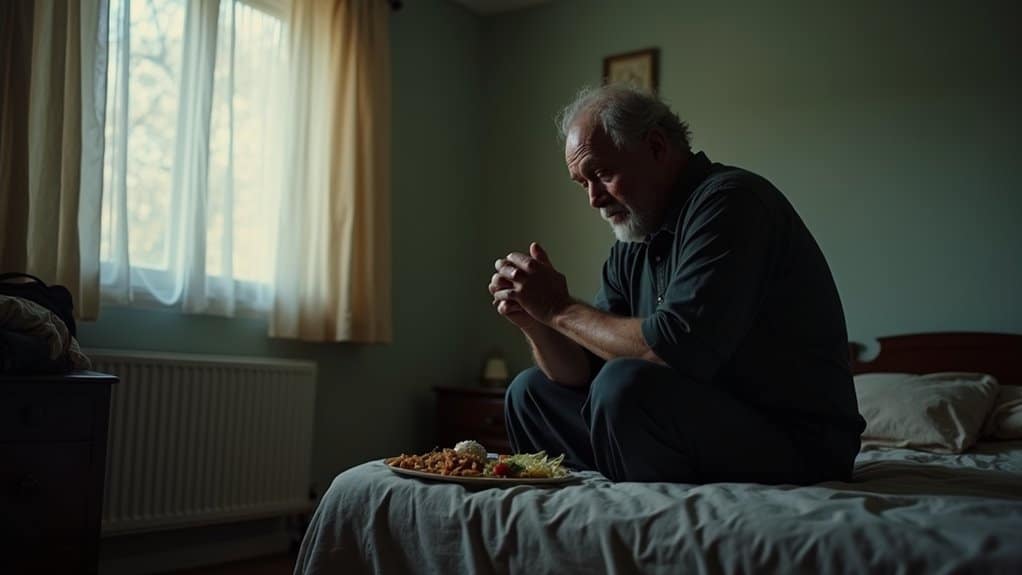
Residential mental health treatment: learn 7 signs it’s time to seek this level of care when outpatient support isn’t enough.
How Fast Can You Get Admitted to Residential Mental Health Treatment?

Residential mental health treatment admission can take same-day to a few weeks. Learn what affects your timeline and how to get admitted faster.
Alternatives to Therapy for Anxiety

Alternatives to therapy for anxiety: compare guided self-help, relaxation, exercise, and mindfulness to match the right option to your symptoms.
Can Mindfulness Replace Therapy

Mindfulness and therapy: learn when standalone practice helps and when professional care is essential for your mental health.
Should You See a Counselor or Therapist for Anxiety?

Counselor or therapist for anxiety: know the signs it’s time for help and how to choose a provider trained in CBT or exposure therapy.
I Just Want the Pain to Stop: When Emotional Pain Feels Unbearable

Emotional pain that feels unbearable is real and treatable. Learn why psychache happens and how relief is possible, plus where to find help now.
Why Some People Talk About Suicidal Ideation While Others Stay Silent

Suicidal ideation disclosure: learn why people share or hide these thoughts and how to recognize what silence may be hiding.
When Emotional Pain Becomes Physical

Emotional pain becomes physical through real brain and body pathways. Learn why your symptoms are real and what can help you heal.
How Therapy Helps Break the Cycle of Suicidal Thinking

Therapy for suicidal thinking helps you examine distressing thoughts, build coping skills, and loosen their grip through proven CBT and DBT methods.
Life After Suicidal Thoughts: What Recovery Looks Like

Life after suicidal thoughts is possible. Learn what real recovery looks like and how healing rebuilds a steadier, more hopeful you over time.
Suicidal Thoughts vs Suicidal Intent: The Clinical Difference

Suicidal thoughts vs suicidal intent: learn the clinical difference so you can recognize rising risk and know when to seek support.
How Trauma Affects the Brain, Body, and Everyday Life

Trauma affects the brain and body in lasting ways. Learn how it rewires your mind and what it takes to begin healing.
Healthy Coping vs Survival Mode After Trauma

Healthy coping after trauma helps your nervous system return to safety. Learn grounding and breathing tools to move out of survival mode.
How Do You Know If Your Medication Needs Adjusting?

Could your returning symptoms or new side effects signal it’s time to adjust your medication? Discover the warning signs you shouldn’t ignore.
What Happens at a Medication Management Appointment?

Often misunderstood, medication management appointments involve more than refilling prescriptions, discover what your provider truly evaluates and why each visit matters.
What Is Psychiatric Medication Management?

How psychiatric medication management keeps your treatment safe and effective involves a structured process most patients never fully understand, until now.