
Healthy coping helps your nervous system return to balance after a threat passes, using grounding, slow breathing, and present-moment reconnection to signal that safety’s returned. Survival mode, though, keeps your alarm running long after danger ends, leaving you stuck in hypervigilance or shutdown instead of regulating. After complex trauma, your body can forget how to power down. The good news? You can teach it safety again, and there’s more to understand about how.
Key Takeaways
- Healthy coping restores balance after threat using grounding, slow breathing, and present-moment reconnection to signal the body that safety returned.
- Survival mode keeps the alarm running after danger ends, maintaining hypervigilance or shutdown instead of regulating the nervous system.
- After complex trauma, stuck alarm circuits fail to deactivate, teaching the body that everything is dangerous, sometimes for years.
- Survival mode shows up as avoidance (numbing, canceling plans, detachment) or hypervigilance (constant scanning, tension, easy startling).
- Replace these patterns with grounding tools like 5-4-3-2-1, four-second inhale/six-second exhale breathing, cold-water splashing, and reaching toward trusted people.
What is the difference between healthy coping and survival mode

The difference between healthy coping and survival mode comes down to how your nervous system responds once a threat passes.
Healthy coping helps you return to balance. You ground yourself, breathe slowly, and reconnect with the present moment, signaling to your body that you’re safe again. Your alarm system activates when needed, then powers down.
Survival mode keeps that alarm running long after danger ends. Your body stays locked in hypervigilance, treating everything as a threat. Instead of regulating, you remain in constant hyperarousal or shutdown.
Recognizing this difference matters. It’s not weakness, it’s your nervous system doing exactly what it learned to do to protect you.
Why does the body stay in survival mode after trauma
The body stays in survival mode after trauma because the experience rewires your alarm circuits so they can’t turn off. The effects of trauma on the body include chronic pain, fatigue, and heightened anxiety. Understanding them is crucial for effective therapy.
Survival mode is designed to activate during immediate threats, then deactivate once you’re safe. But complex trauma keeps those circuits stuck. Your nervous system fails to recognize that the danger has passed, so it keeps running survival programs instead of returning to balance. The process of trauma recovery stages involves recognizing the past and fostering a sense of safety in the present. Understanding these stages can help individuals move forward and reintegrate into a more balanced state of being.
This isn’t a personal failure, it’s biology. When threats are prolonged or repeated, your body learns to treat everything as dangerous. It stays locked in hyperarousal or shutdown rather than regulation.
That’s why survival mode can persist for years, silently operating until you finally recognize it’s still running.
What do avoidance and hypervigilance look like


Avoidance and hypervigilance are two common patterns that show up when your nervous system gets stuck in survival mode. Avoidance pulls you away from anything that feels threatening, people, places, conversations, or even your own emotions. Hypervigilance keeps you constantly scanning for danger, unable to relax. Both are unhealthy coping mechanisms your body relies on to feel safe, even when the threat’s long gone.
| Pattern | What It Looks Like | What You Feel |
|---|---|---|
| Avoidance | Canceling plans, numbing out | Detached, disconnected |
| Hypervigilance | Scanning exits, startling easily | Tense, on edge |
| Both Combined | Isolating yet restless | Exhausted, unsafe |
If you recognize yourself here, please be gentle. These responses aren’t flaws, they’re your nervous system trying to protect you the only way it knows.
What healthier coping skills can replace them
Healthy coping skills that can replace avoidance and hypervigilance include grounding, breathwork, connection, and mindfulness. These won’t erase the alarm overnight, but they’ll slowly teach your body that danger has passed.
When panic rises, try the 5-4-3-2-1 method: name five things you see, four you touch, three you hear, two you smell, and one you taste. Slow your breath with a four-second inhale and six-second exhale to signal your vagus nerve to calm. Splash cold water on your face, or plant your feet firmly to notice the ground supporting you.
Instead of isolating, reach toward trusted people. Instead of bracing for threat, practice mindfulness. These small, repeatable choices gently invite regulation back.
Why does this shift take time and practice
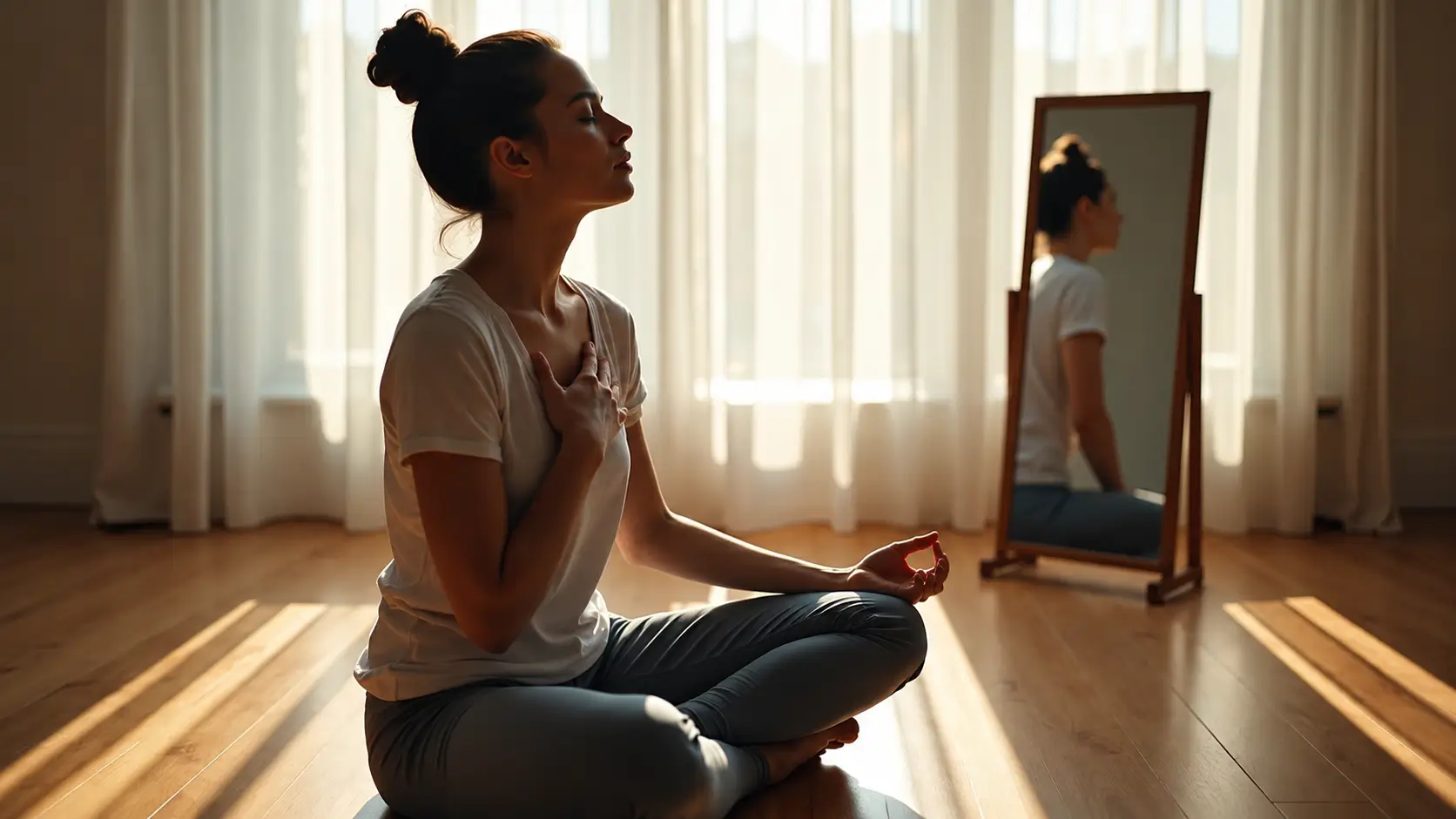
This shift takes time and practice because survival mode developed over months or years of your body running alarm circuits that wouldn’t shut off, and rewiring that can’t happen in a day. Those small, repeatable choices don’t undo it overnight, and that’s not a failure on your part. Learning how to get out of survival mode means gently teaching your nervous system that danger has passed, and that kind of relearning happens slowly, through consistent practice rather than sudden breakthroughs.
- Your nervous system needs repeated evidence of safety before it trusts that the threat is over.
- New coping skills feel unnatural at first because survival responses are deeply wired.
- Progress moves in cycles, so setbacks don’t erase the work you’ve done.
- Small wins accumulate, gradually building the regulation your body forgot was possible.
How do you learn to respond instead of react
You learn to respond instead of react by creating a pause between what triggers you and what you do next. That pause is where your power lives. When something activates your survival response, your body wants to move immediately into fight, flight, or shutdown. But you can interrupt that automatic cycle by grounding first. Try the 5-4-3-2-1 method or slow breathing with a four-second inhale and six-second exhale to signal your nervous system that you’re safe. These coping skills for trauma give your thinking brain time to come back online before you act. Over time, practicing this pause rewires your responses. You’ll notice the trigger, breathe through the activation, and choose your next step, rather than letting old survival programs decide for you.
How does Villa Healing Center help you build new coping skills
Villa Healing Center helps you build new coping skills by surrounding you with the support and structure your nervous system needs to feel safe enough to change. Instead of forcing you to white-knuckle through recovery, we help you replace outdated trauma coping mechanisms with regulated, sustainable responses. Working alongside specialized therapists, you learn to recognize survival mode and gently guide your body back toward balance. Recovering from trauma is a deeply personal journey that takes time and patience. Everyone heals in their own way, often discovering surprising strengths along the path, and connecting with others who understand your struggles can be incredibly empowering.
Healing isn’t about white-knuckling through recovery, it’s about teaching your nervous system to feel safe enough to change.
Here’s how we help you rebuild:
- Teaching grounding and nervous system regulation techniques like slow breathing and the 5-4-3-2-1 method
- Offering evidence-based therapies including EMDR, CBT, and somatic experiencing
- Creating predictable daily routines that restore stability and safety
- Connecting you with supportive community so you’re never healing alone
You deserve tools that actually work, and lasting change.
Your Nervous System Can Learn Safety Again
Grounding exercises help, but a stuck alarm system usually needs more than tools you practice alone. Villa Healing Center provides residential trauma recovery built on predictable daily structure and specialized therapy, so your body gets repeated evidence that the threat has passed. Verify your insurance or call (888) 669-0661 to talk through what treatment would look like.
Frequently Asked Questions
Can Survival Mode Ever Return After Successful Trauma Recovery?
Yes, survival mode can return, and that’s completely normal. Your nervous system remembers how to protect you, so new stressors or reminders might reactivate those old alarm circuits. This doesn’t mean you’ve failed or lost your progress. You’ll likely recognize the signs faster now and use your grounding tools more effectively. Be gentle with yourself when it happens, recovery isn’t linear, and reactivation is part of your healing journey, not a setback.
How Long Does Trauma Therapy Like EMDR Typically Take?
Your EMDR timeline depends on your unique experiences and needs. While the knowledge here confirms EMDR effectively treats CPTSD, it doesn’t specify exact durations. Generally, complex trauma takes years to identify and resolve, so be patient with yourself. Your healing isn’t a race. Trust your trauma therapist to guide the pace that’s right for you, and practice self-compassion throughout, celebrating little wins along the way builds lasting confidence.
Are Medications Helpful for Managing Symptoms of Complex Trauma?
Medications can help manage certain symptoms, though they’re not covered in the guidance I’m working from here. What I can share is that professional support makes a real difference. A trauma therapist can help you explore whether therapies like EMDR, somatic experiencing, or CBT fit your needs. If persistent fear or unhappiness lingers, talking with a qualified professional about your full range of options, including medication, is a wise, compassionate step forward.
Can Children Experience Survival Mode Differently Than Adults Do?
Yes, children often experience survival mode differently than you might as an adult. Their developing nervous systems can get stuck in hyperarousal or shutdown more easily, and they can’t always name what they’re feeling. You might notice it shows up as behavioral changes, regression, or physical complaints instead of words. Their alarm circuits are still forming, so consistent safety, routine, and compassionate support matter enormously for helping them return to balance.
How Do I Support a Loved One Stuck in Survival Mode?
You’ll help most by becoming a trusted, steady presence who counters their instinct to isolate. Don’t push them to “move on”, instead, offer patient connection and belonging. Encourage small, realistic wins rather than demanding consistent output. Support healthy routines like sleep, meals, and gentle exercise. Gently suggest professional help, such as a trauma therapist, when fear or hopelessness persists. Above all, practice self-compassion yourself, because supporting someone takes real energy.