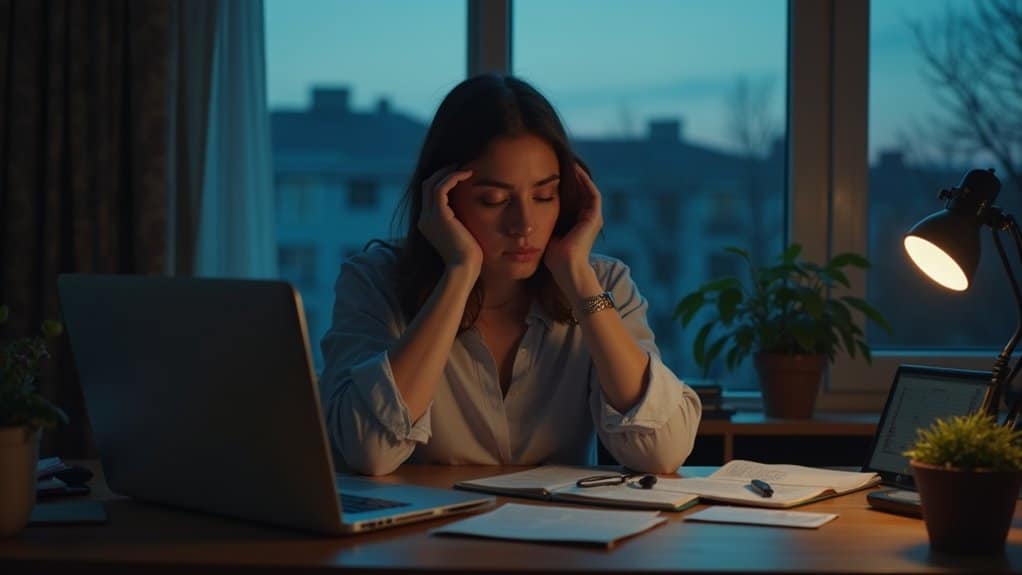
When anxiety kicks in, your body releases adrenaline and cortisol that directly alter your eye physiology. Adrenaline dilates your pupils, flooding your retina with excess light, while cortisol disrupts tear production and destabilizes your tear film. Vasoconstriction redirects blood flow away from your eyes, and tensed ciliary muscles impair lens accommodation, causing blurriness, tunnel vision, and light sensitivity. These compounding neurochemical shifts change not just what you see, but how your brain processes visual information. Each mechanism below explains exactly why and what you can do about it.
What Happens Inside Your Eyes During Anxiety?
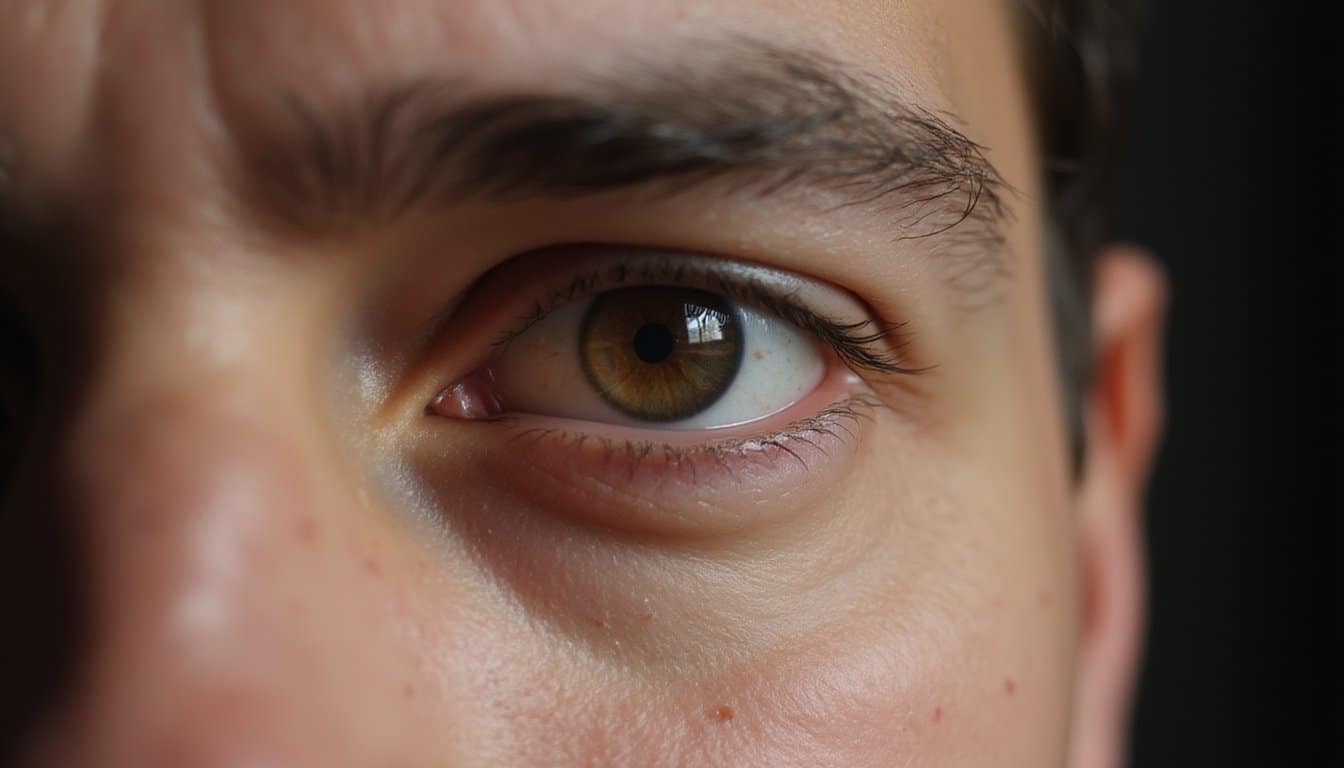
When anxiety activates your body’s fight-or-flight response, your brain releases adrenaline and cortisol, two hormones that directly alter how your eyes function. Adrenaline triggers pupil dilation, increasing light entry to sharpen threat detection. Simultaneously, your eye muscles tighten, producing strain, soreness, and involuntary twitching. These stress hormones also elevate intraocular pressure, which, if sustained, can damage optic nerve function and increase glaucoma risk.
Understanding how anxiety affects visual processing starts at the neurochemical level. Neurotransmitter shifts modify your eyes’ baseline physiology, while adrenaline-driven circulation changes alter blood flow to ocular tissue. This nervous system activation heightens sensory input, directly reshaping anxiety and visual perception. Your eyes don’t just observe passively, they respond measurably to your brain’s stress signals. While these symptoms can feel alarming, they are typically not permanent, and managing the underlying anxiety remains the most effective path to relief.
Why Anxiety Makes Your Vision Blurry
Because anxiety activates your fight-or-flight response, your body rapidly redirects blood flow away from your eyes and toward major muscle groups. This vasoconstriction reduces oxygen delivery to your retina and optic nerve, producing measurable changes in vision anxiety symptoms like blurriness and tunnel vision.
Simultaneously, your ciliary muscles tense, impairing lens accommodation. These anxiety effects on vision and focus compound as multiple systems destabilize concurrently. Symptoms such as sudden vision loss, severe eye pain, or double vision are red flags requiring immediate medical evaluation to rule out serious underlying conditions.
| Mechanism | Physiological Action | Visual Outcome |
|---|---|---|
| Blood redistribution | Vasoconstriction near eyes | Blurriness, tunnel vision |
| Ciliary muscle tension | Impaired lens shape control | Difficulty focusing |
| Pupil dilation | Excess light enters eye | Light sensitivity, distortion |
| Reduced blinking | Tear film instability | Dry eye, blurred clarity |
| Hyperventilation | Altered blood oxygen levels | Temporary blind spots |
How Anxiety Causes Tunnel Vision and Narrows Your Sight
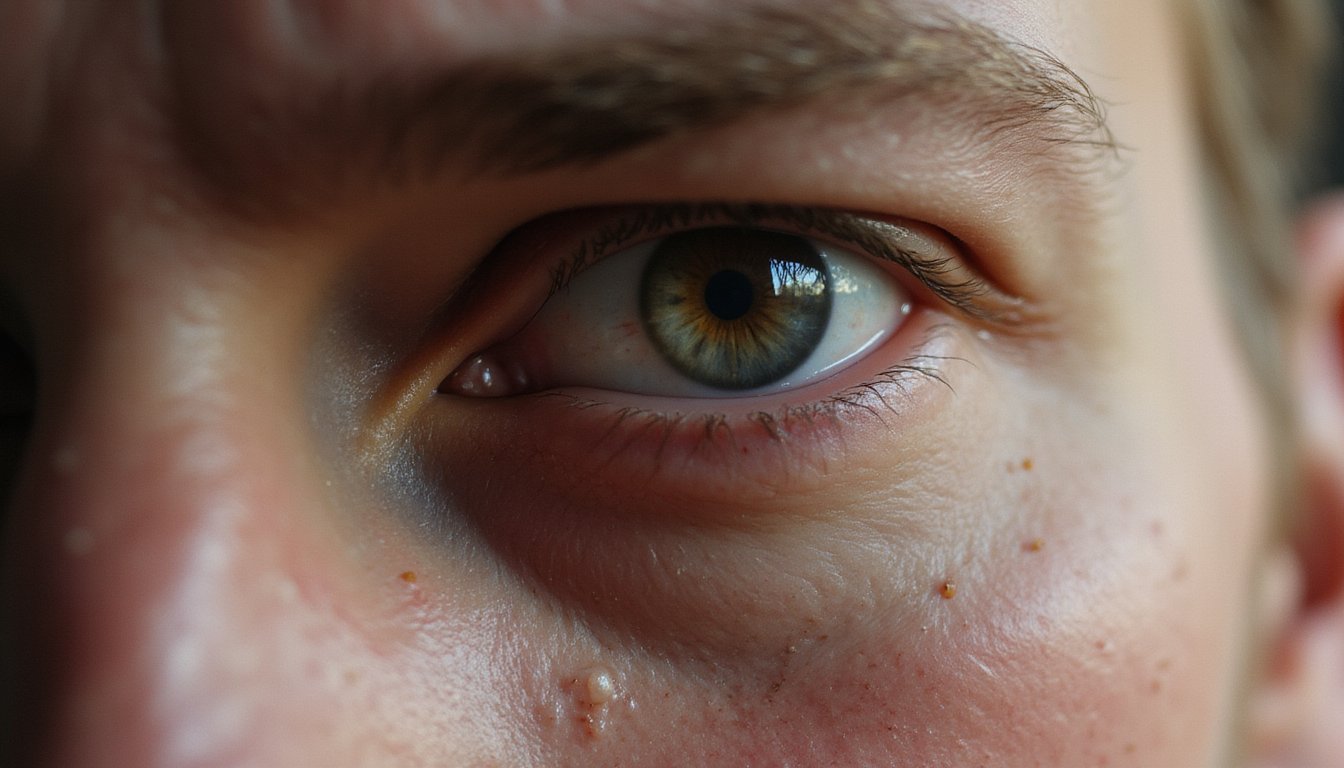
Beyond blurriness and focusing difficulties, anxiety triggers a more disorienting visual disturbance: tunnel vision. When your brain detects a threat, it activates the fight-or-flight response, redirecting blood flow from your visual centers to your muscles. Simultaneously, your pupils dilate while your peripheral vision narrows, a paradox that sharpens forward focus but eliminates lateral awareness. The impact of anxiety on focus can significantly hinder decision-making and task performance. Individuals may find themselves unable to concentrate on multiple tasks, as their minds become preoccupied with worry.
Anxiety-induced tunnel vision reduces your visual field to a tube-like corridor, causing you to miss critical environmental cues at the edges. Johns Hopkins University research demonstrates that this tunneled state also diminishes auditory processing. Understanding how anxiety changes perception explains why episodes range from seconds to minutes, fluctuating in intensity or persisting as a constant background symptom. Fatigue and sleep disruption amplify severity, while episodes can emerge without any recognizable trigger. Accompanying physical responses such as a racing heart, dizziness, and increased sweating often intensify the disorientation experienced during these visual disturbances.
Why Anxiety Makes Your Eyes Sensitive to Light
Though tunnel vision narrows your visual field, anxiety simultaneously attacks another aspect of sight: light tolerance. Your sympathetic nervous system triggers pupil dilation during stress, flooding your retina with excess light. This mechanism drives the core light sensitivity manifestations in anxiety, including hyperreactivity to brightness, eye strain, and visual discomfort.
Elevated cortisol compounds the problem. Chronic anxiety sustains cortisol levels that disrupt autonomic nervous system balance, directly impairing your eye muscles’ accommodation capacity. Your visual system operates in overdrive, amplifying every light stimulus it receives.
This disruption of anxiety and sensory perception creates a feedback loop, heightened light sensitivity increases discomfort, which escalates anxiety further. You’ll notice blurred vision, light flashes, and twitching as measurable byproducts of this physiological cascade.
Anxiety Eye Strain, Muscle Tension, and Dry Eyes Explained
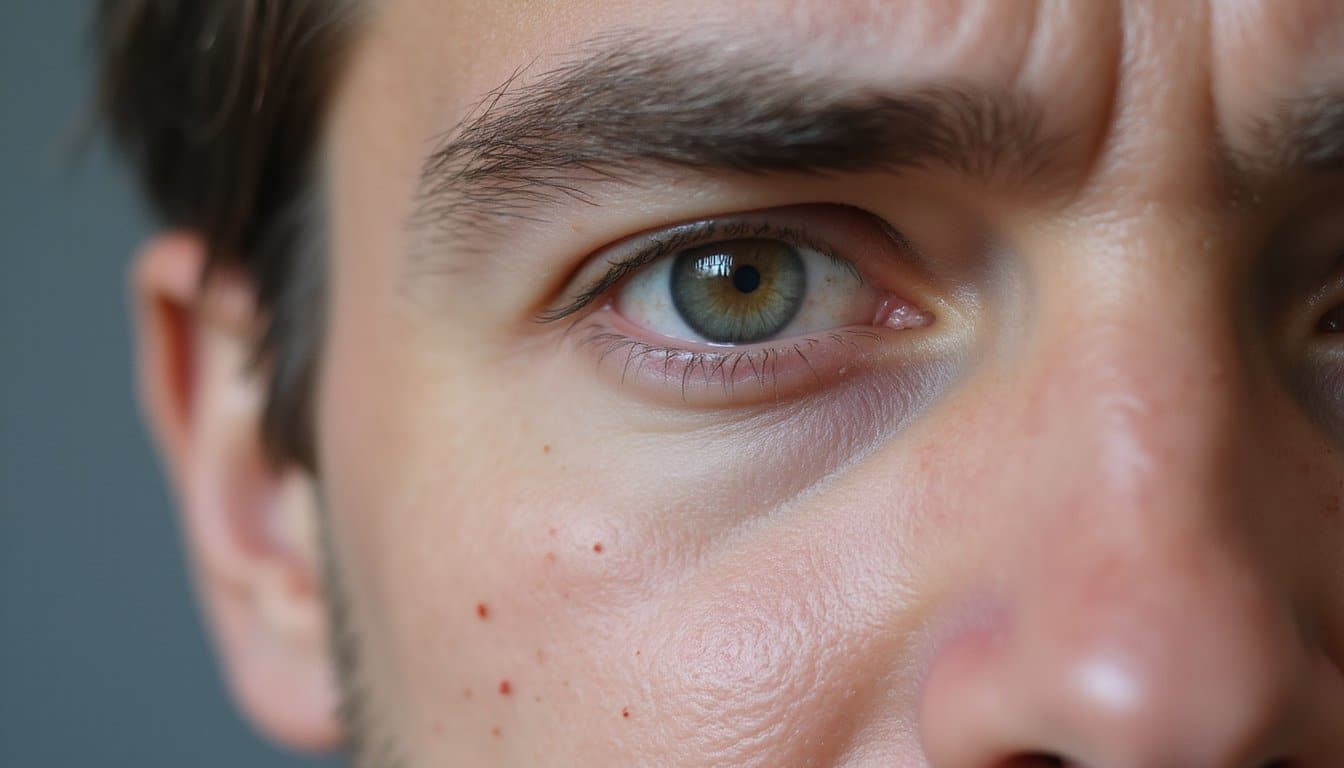
When you’re anxious, your body’s stress response tightens the muscles surrounding your eyes, producing soreness, twitching, and headaches that compound visual discomfort and force compensatory behaviors like squinting. Simultaneously, anxiety disrupts your normal blink rate, particularly during screen use, leading to dryness that intensifies strain on an already overloaded visual system. These overlapping mechanisms create a feedback loop: muscle tension worsens focus demands, while dry eyes amplify the discomfort that drives further tension.
Muscle Tension Strains Eyes
Because anxiety activates the body’s fight-or-flight response, the muscles surrounding your eyes tighten and contract under the influence of stress hormones like cortisol and adrenaline. This muscle tension creates a measurable feedback loop: sustained contraction fatigues ocular tissues, producing eye pain, headaches, and involuntary eyelid tremors. Simultaneously, your pupils dilate to increase light intake, compounding strain and light sensitivity.
As this process continues, anxiety and vision changes become increasingly apparent. Your eye muscles overwork to maintain focus, yet fatigue degrades their precision. Blurred vision, reduced reading speed, and difficulty shifting focus between distances result directly from this cumulative strain. Symptoms typically intensify throughout the day as tension accumulates. Targeted interventions, deep breathing, screen breaks, and eye exercises, can interrupt this cycle by reducing sustained muscular contraction.
Anxiety Causes Dry Eyes
Muscle tension and pupil dilation aren’t the only ways anxiety strains your eyes, chronic stress also disrupts tear production at a biochemical level. Elevated cortisol directly impairs lacrimal gland function, reducing both tear quantity and quality. Simultaneously, anxiety triggers systemic inflammation that destabilizes your tear film, the protective layer essential for clear visual processing during anxiety.
Research published in *Cornea* confirms significant associations between psychological stress and dry eye symptoms. Anxiety also lowers your discomfort threshold, amplifying ocular irritation beyond measurable signs. Sleep disturbances compound this by accelerating tear film evaporation.
These disruptions directly alter anxiety and environmental perception. When your corneal surface dries, light scatters irregularly, degrading visual clarity. Certain anxiety medications further exacerbate dryness, creating a self-reinforcing cycle between psychological distress and compromised ocular function.
How to Relieve Anxiety Vision Problems and When to See a Doctor
You should consult a doctor when symptoms persist beyond acute anxiety episodes or interfere with daily functioning. Persistent changes in mental health visual perception anxiety may indicate co-occurring conditions requiring clinical evaluation. An ophthalmologist can rule out structural causes, while a mental health professional can address the neurological stress mechanisms sustaining your visual disturbances.
Call Now and Get the Help You Need
Anxiety has a way of making everyday life feel heavier than it should but real relief is within reach when you have the right people beside you. At Villa Healing Center, we provide Anxiety Treatment built around your needs to help you find lasting peace. Serving individuals throughout Los Angeles County, our compassionate team is ready when you are. Call (888) 669-0661 today and take the first step toward healing
Frequently Asked Questions
Can Anxiety Make Colors Look Different or More Intense Than Usual?
Yes, anxiety can make colors appear more intense. Your brain’s visual cortex amplifies responses to red and green wavelengths when you’re anxious, as measured by increased flash visual evoked potential amplitudes. This heightened neural processing doesn’t affect blue wavelengths equally, showing selective pathway activation. Your sympathetic nervous system also kicks in, saturated reds and oranges trigger elevated heart rate, cortisol, and adrenaline, creating a feedback loop that intensifies your visual experience.
Does Anxiety Cause Visual Floaters or Flashes of Light?
Anxiety doesn’t create floaters or flashes, these result from physical changes like posterior vitreous detachment, where vitreous gel separates from your retina. However, anxiety amplifies your awareness of them. Stress weakens your brain’s natural filtering, making previously unnoticed floaters feel prominent and intolerable. A 2017 study found individuals with eye flashes reported notably higher anxiety and perceived stress levels. Once your anxiety settles, your brain resumes filtering, and floaters gradually fade from attention.
Can Anxiety-Related Vision Changes Become Permanent Over Time?
Most anxiety-related vision changes don’t become permanent if they’re short-lived. Acute episodes typically reverse once your stress levels drop. However, chronic stress shifts the equation, prolonged cortisol elevation raises intraocular pressure, strains your optic nerve, and drives cumulative eye fatigue that becomes harder to reverse. Over time, this can worsen conditions like glaucoma or trigger optic neuropathy. You’ll reduce these risks considerably by managing stress early and seeking professional evaluation when symptoms persist.
Does Anxiety Increase the Risk of Developing Glaucoma?
Current research hasn’t established a direct causal link between anxiety and glaucoma. However, chronic stress and anxiety can elevate cortisol levels, which some studies suggest may increase intraocular pressure, a key risk factor for glaucoma. You shouldn’t assume anxiety alone will cause glaucoma, as genetics, age, and eye anatomy play more significant roles. If you’re concerned, you should schedule regular eye exams so your ophthalmologist can monitor your intraocular pressure over time.
Can Anxiety Change How Your Brain Interprets Movement Around You?
Yes, anxiety can change how your brain interprets movement around you. Your amygdala begins processing visual motion before your visual cortex fully analyzes it, creating a faster but less accurate threat assessment. In GAD, weakened connectivity between your amygdala and salience-evaluating brain regions impairs your ability to distinguish threatening movement from harmless motion. This means you’ll allocate more attention to non-threatening stimuli, making everyday movement feel more intense or alarming.