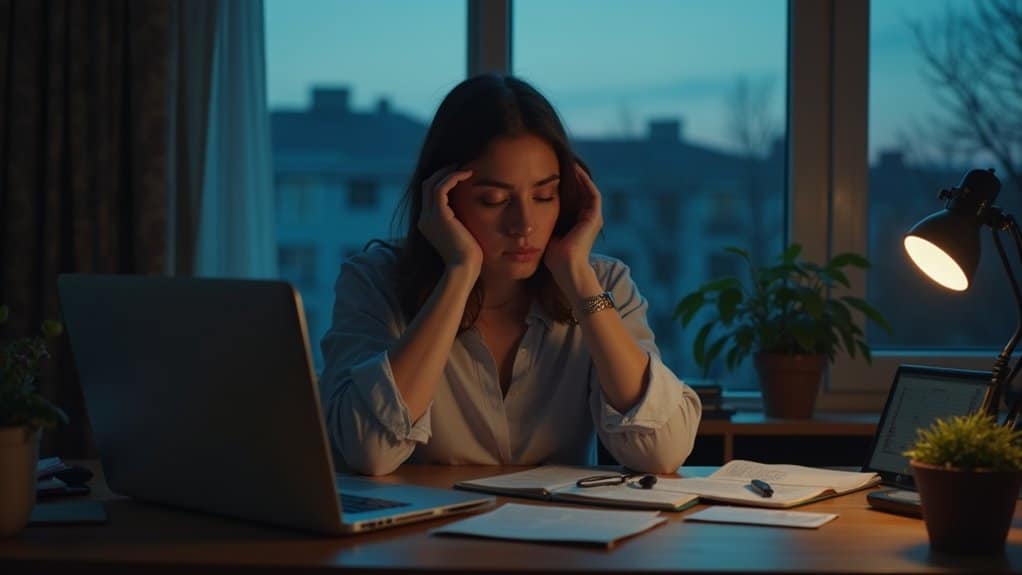
When you’re anxious, your body floods with cortisol and adrenaline, triggering changes that directly impair your vision. Your pupils dilate, letting in excessive light and causing photosensitivity. Stress tightens the muscles around your eyes, leading to blurred vision and fatigue. Your amygdala goes into overdrive, amplifying sensory input and making ordinary stimuli feel overwhelming. These shifts can produce tunnel vision, floaters, and eye strain, creating a self-reinforcing cycle that’s important to understand and entirely possible to break.
How Stress Hormones Disrupt Your Vision
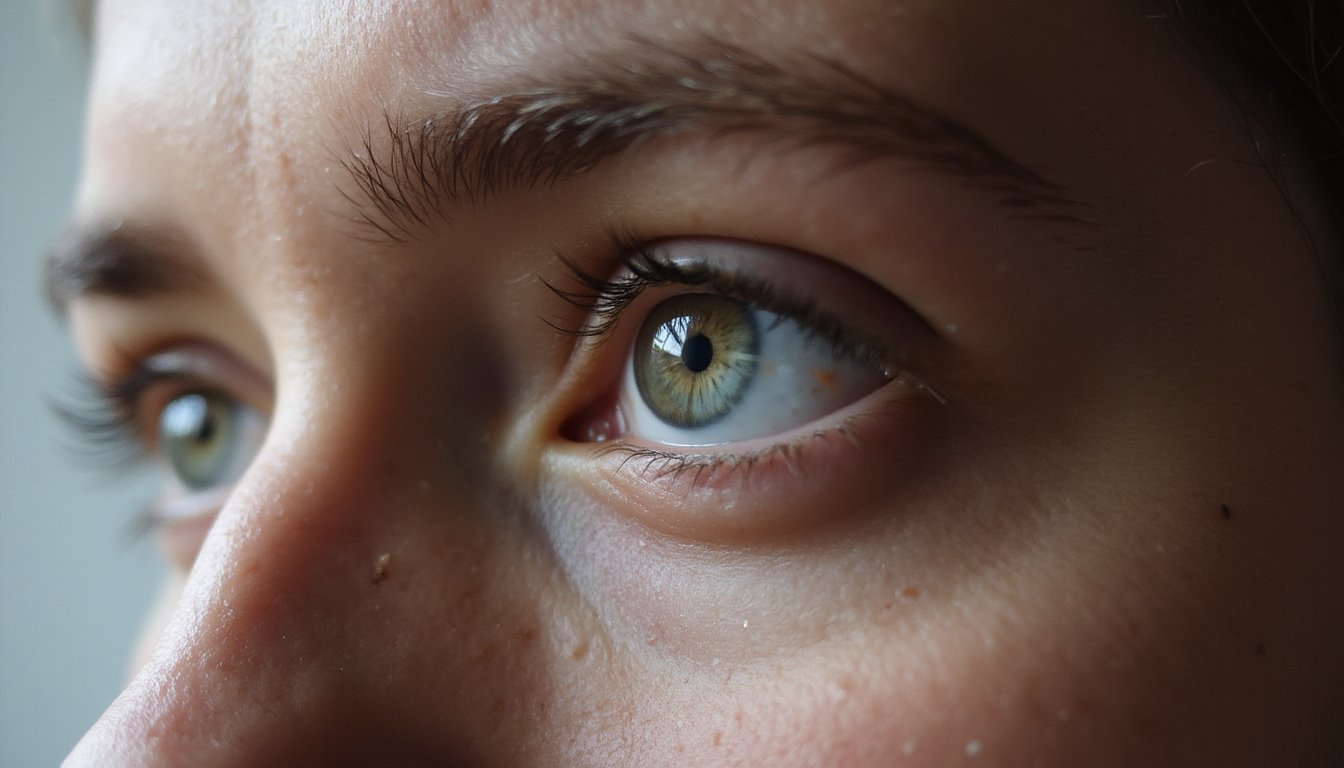
When anxiety triggers your body’s stress response, it doesn’t just affect your mind, it directly disrupts the biological pathways that support clear vision. Your adrenal glands release cortisol, which constricts blood vessels in your eyes and reduces blood flow to the retina and optic nerve. Without adequate oxygen, retinal cells can sustain damage over time.
Understanding how stress affects focus vision starts with recognizing adrenaline’s role. It dilates your pupils to let in more light, but chronic dilation leads to light sensitivity, muscle tightening, and eye twitching. Simultaneously, elevated cortisol increases intraocular pressure, a known risk factor for glaucoma, and disrupts your tear film, causing dry, irritated eyes. These compounding effects greatly impair your visual clarity and comfort. Stress can also cause alarming visual phenomena such as floaters, flashes, and tunnel vision, though these symptoms typically resolve once stress levels decrease.
Why Anxiety Makes Everything Look Blurry
Those stress hormones don’t just circulate passively, they actively interfere with the physical structures your eyes rely on to produce sharp images. Anxiety triggers tension in your ciliary muscles, which control lens shape and accommodation. When these muscles tighten, focusing on nearby objects like phones or books becomes noticeably harder. Text appears fuzzy, screens strain your eyes, and visual distortions emerge.
Simultaneously, adrenaline reduces blood flow to your retina and optic nerve, potentially causing temporary blind spots or tunnel vision. The connection between anxiety and blurred vision perception becomes cyclical, struggling to see clearly heightens your stress, which further compromises focus. Your eyes also scan rapidly for perceived threats, creating the illusion of blurriness. These disturbances typically resolve once anxiety subsides and relaxation returns. Chronic stress can also cause neurons to act erratically, misreporting visual information to the brain and prolonging blurry vision even after the immediate threat has passed.
Dilated Pupils, Light Sensitivity, and Sensory Overload
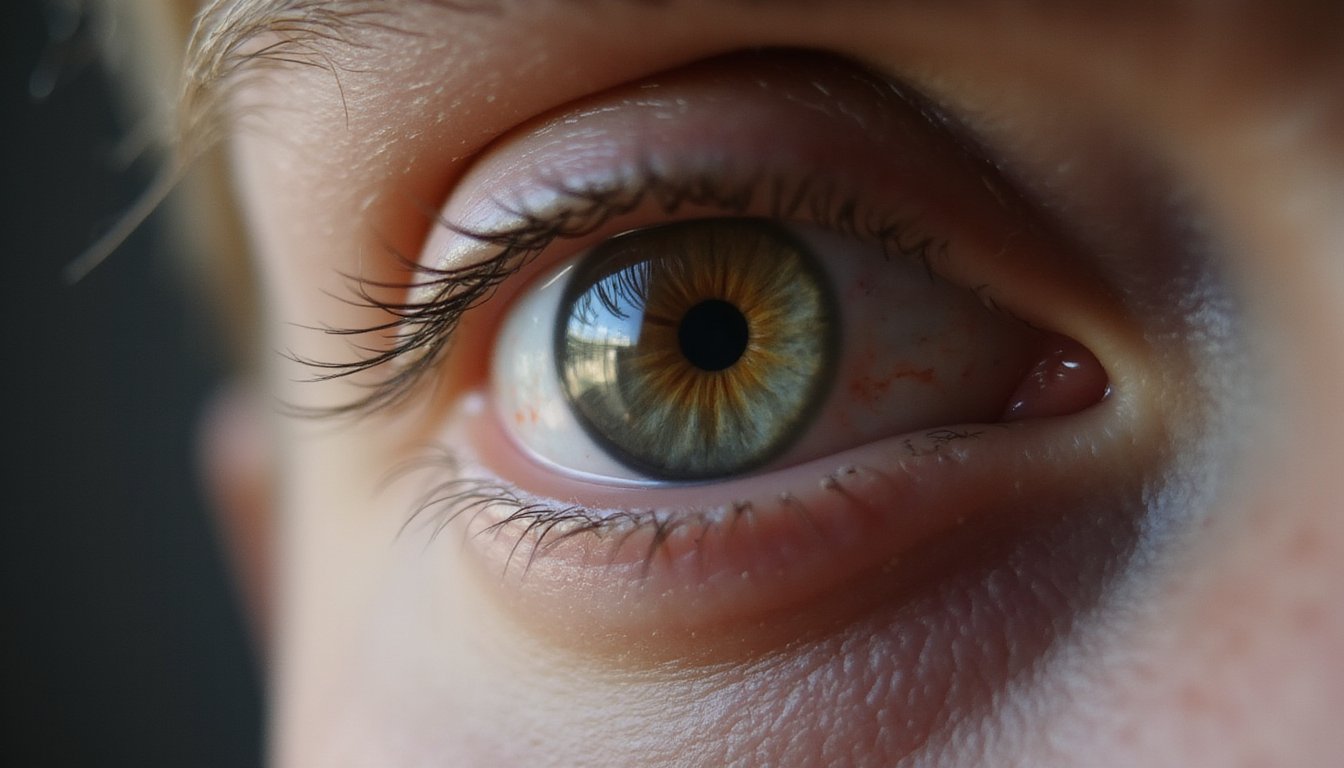
When anxiety activates your fight-or-flight response, adrenaline triggers your pupils to dilate, allowing more light to flood into your eyes than you’d normally process. This excess light intake heightens photosensitivity, strains your eye muscles, and can cause soreness, twitching, and temporary vision changes that make it harder to focus on what’s in front of you. Research confirms that pupil size increases during both aversive exposure and anticipation, showing an initial constriction followed by significant late dilation when preparing to cope with threatening situations. The combination of dilated pupils and overstimulated visual processing creates a cycle of sensory overload, where your brain struggles to filter relevant details from an environment that suddenly feels too bright and overwhelming.
Stress-Induced Pupil Dilation
Because the sympathetic nervous system activates during moments of heightened anxiety, your pupils dilate as part of the body’s “fight or flight” response. Adrenaline surges from your adrenal glands, sending nerve impulses that widen your pupils to absorb more visual information. This survival mechanism simultaneously increases your heart rate and blood pressure.
This dilation is particularly pronounced during panic attacks, PTSD episodes, and phobia exposure. If you’re experiencing anxiety affecting eyesight focus, understand that your pupils are continuously balancing light reflexes against emotional reactions. Recovery from acute episodes typically requires 20 minutes or more for pupils to normalize. However, persistent stress-response hyperstimulation extends this timeline considerably. Calming techniques like relaxed breathing can accelerate recovery, helping your pupils return to baseline as your body’s stress response resolves.
Heightened Light Sensitivity
As your body’s fight-or-flight response triggers pupil dilation, it also creates an unintended side effect: heightened sensitivity to light. When your pupils widen, they allow excessive light into your eyes, overwhelming your visual processing system. This contributes directly to anxiety and perception issues, making everyday environments feel uncomfortably bright or visually chaotic.
Common manifestations of this light sensitivity include:
- Blurred vision from unnecessary light flooding dilated pupils
- Eye strain caused by tightened muscles around your eyes
- Tunnel vision during intense anxiety episodes
- Watery or excessively dry eyes as accompanying responses
- Sensory overload from your nervous system processing heightened visual input
These symptoms typically subside within 20 minutes once your stress response deactivates, though chronic anxiety can greatly extend recovery time.
Sensory Overload Effects
Light sensitivity doesn’t exist in isolation, it’s one layer of a broader sensory overload that anxiety creates throughout your visual system. When your sympathetic nervous system activates, it simultaneously dilates your pupils, tenses your eye muscles, and alters blood flow to your retina and optic nerve. These overlapping disruptions compound each other, creating a cascade of visual disturbances.
Understanding how anxiety affects focus and vision means recognizing this cumulative effect. Hyperventilation reduces oxygenation to your brain and eyes, while cortisol disrupts your accommodation responses. Your visual processing centers struggle under these simultaneous demands, producing floaters, tunnel vision, halos, and fogginess. Each symptom amplifies the others, intensifying the sensory overload. This isn’t a single malfunction, it’s your entire visual system responding to perceived threat at once.
Anxiety Tunnel Vision and Lost Peripheral Sight

When intense anxiety strikes, your visual field can narrow dramatically, a phenomenon known as anxiety tunnel vision. Your brain’s fight-or-flight response floods your system with cortisol and adrenaline, forcing your visual attention onto perceived threats while peripheral sight fades. Anxiety and visual distortion can lead to a disorienting experience, making it difficult to focus on anything other than the threats at hand. This heightened state may result in missed opportunities to recognize safe or neutral stimuli around you.
During anxiety tunnel vision, you may experience:
- Sensation of looking through a tube, with clear central vision but lost peripheral awareness
- Blurry eyesight and difficulty focusing on surrounding objects
- Dizziness and disorientation accompanying the visual narrowing
- Fluctuating intensity, shifting from severe to mild within minutes
- Episodes lasting minutes to hours, typically subsiding as anxiety decreases
This response isn’t a permanent vision disorder, it’s your nervous system’s protective mechanism operating in overdrive. Reducing underlying stress directly resolves these visual disturbances.
Eye Strain, Twitching, and Tension From Anxiety
Beyond narrowing your visual field, anxiety targets your eyes in subtler but equally disruptive ways, triggering muscle spasms, persistent strain, and uncomfortable tension that can linger for days. When stress hormones flood your system, they heighten nerve excitability, causing involuntary eyelid twitching known as myokymia. This twitching then fuels more anxiety, creating a self-reinforcing cycle.
Eye strain, twitching, and tension from anxiety stem directly from your fight-or-flight response overactivating eye muscles. Prolonged tension fatigues these muscles, producing blurred vision and visual fatigue. Simultaneously, stress disrupts tear production, leaving your eyes dry and irritated. These combined visual clarity anxiety symptoms, spasms, strain, dryness, compound each other, making sustained focus increasingly difficult. Research correlates anxiety with heightened nerve sensitivity, confirming these aren’t imagined experiences but measurable physiological responses.
Why Anxiety Makes Visual Symptoms Feel Worse
When you’re anxious, your brain shifts into a state of heightened sensory awareness that amplifies even minor visual disturbances, like floaters or slight blurriness, that you’d normally ignore. This creates a bidirectional loop: anxiety worsens your visual symptoms, and those symptoms fuel more anxiety, making the cycle harder to break. Elevated cortisol further compounds the problem by increasing eye pressure and disrupting your eyes’ ability to adjust focus, so the discomfort you’re experiencing isn’t just in your head, it’s a measurable physiological response.
Heightened Sensory Awareness
Although anxiety is often thought of as a purely emotional experience, it fundamentally reshapes how your nervous system processes sensory information, including what you see. Research shows your brain’s stress response amplifies sensory reactivity, making ordinary stimuli feel overwhelming. This directly disrupts anxiety and attention visual processing.
When your amygdala overactivates, it triggers a cascade of sensory filtering deficits:
- Your sympathetic nervous system inhibits visual accommodation, reducing focusing capability
- Minor sensory stimuli feel disproportionately intense to your central nervous system
- Your brain struggles to filter visual input, causing dysregulated reactions
- Heightened sensory sensitivity increases anxiety symptoms, creating a self-reinforcing cycle
- Overstimulation spans multiple modalities, compounding visual distress with auditory and tactile overload
Understanding these neurobiological mechanisms helps you recognize that your visual difficulties aren’t imagined, they’re physiologically driven.
Anxiety-Vision Bidirectional Loop
This heightened sensory reactivity doesn’t just distort what you see, it actively worsens your anxiety, which then further degrades your vision in a self-reinforcing cycle. Research confirms this bidirectional relationship satisfies all nine Bradford Hill causality criteria, establishing a direct positive feedback loop between anxiety and visual difficulty.
Here’s how it works physiologically: stress hormones trigger pupil dilation and muscle tension around your eyes, causing strain and blurriness. Simultaneously, anxiety-triggered reduction in tear production leads to dry eyes and associated blurred vision and discomfort. These real visual disruptions intensify your psychological distress beyond what objective impairment alone would cause.
You’re not imagining it. Your anxiety genuinely alters your vision, and the resulting visual symptoms fuel more anxiety, creating a cycle that accelerates without intervention. How anxiety affects visual perception can lead to distorted images or increased sensitivity to light. This altered state can make everyday tasks feel overwhelming, as your mind races to interpret what you’re seeing.
Cortisol Amplifies Discomfort
Cortisol doesn’t just sustain your anxiety, it actively inflames the tissues in your eyes, making every visual symptom feel sharper and more distressing. This hormone disrupts the link between stress and vision clarity through multiple pathways:
- Inflammatory cascade: Cortisol triggers inflammatory chemicals in eye tissues, worsening dry eye syndrome and blepharitis.
- Vascular constriction: Reduced ocular blood flow starves your eyes of oxygen, causing strain and blurred vision.
- Pressure elevation: Rising intraocular pressure increases your glaucoma risk over time.
- Tear film disruption: Altered tear composition leaves eyes irritated, even when they’re watery.
- Sensory amplification: Constant pupil dilation heightens light sensitivity while nerve hypersensitivity magnifies minor irritations into pronounced discomfort.
Each mechanism compounds the others, creating a self-reinforcing cycle where stress and vision clarity deteriorate together.
Breaking the Anxiety-Vision Cycle
When anxiety triggers your body’s fight-or-flight response, it doesn’t just race through your mind, it directly disrupts how your eyes function. Understanding the connection between anxiety and concentration problems vision changes is essential for effective intervention.
| Strategy | How It Helps |
|---|---|
| Stress reduction techniques | Stabilizes visual symptoms by addressing the root physiological cause |
| Optometric examination | Distinguishes anxiety-driven issues from underlying eye diseases |
| Screen time management | Reduces compounded eye strain during high-anxiety periods |
You can break this cycle by recognizing that visual disturbances often signal elevated stress. Once you manage anxiety levels, blurred vision and light sensitivity typically resolve within hours. Awareness transforms these symptoms from sources of panic into actionable cues for self-regulation. Managing stress can enhance your overall neural response to visual input stress, leading to clearer perception and reduced anxiety.
Call Now and Get the Help You Need
Anxiety has a way of making everyday life feel heavier than it should but real relief is within reach when you have the right people beside you. At Villa Healing Center, we provide Anxiety Treatment built around your needs to help you find lasting peace. Serving individuals throughout Los Angeles County, our compassionate team is ready when you are. Call (888) 669-0661 today and take the first step toward healing.
Frequently Asked Questions
Can Anxiety Cause Permanent Damage to Your Eyesight Over Time?
Anxiety typically doesn’t cause permanent damage to your eyesight. When you experience stress, your body releases cortisol and adrenaline, which can temporarily blur your vision, create tunnel vision, or cause eye strain. These symptoms usually resolve once your anxiety decreases. However, if you’re dealing with chronic, unmanaged stress, it can elevate intraocular pressure and impair your eyes’ recovery over time. You should seek professional evaluation if visual symptoms persist or worsen.
Should I See an Eye Doctor or Therapist for Anxiety-Related Vision Problems?
You should ideally see both. Start with an eye doctor to rule out underlying conditions like glaucoma, refractive errors, or ocular surface disease, especially if you’re experiencing sudden changes, floaters, or persistent blurriness. Once they’ve cleared structural issues, a therapist can address the anxiety driving your symptoms. Since most anxiety-related vision problems resolve when stress decreases, treating the root cause often restores visual clarity more effectively than optical correction alone.
Can Anxiety-Related Vision Issues Affect My Ability to Drive Safely?
Yes, anxiety-related vision issues can profoundly compromise your driving safety. You may experience tunnel vision that limits your peripheral awareness of vehicles and pedestrians, blurred vision that makes road signs harder to read, and light sensitivity that disorients you during nighttime driving. These symptoms can impair your rapid decision-making ability on the road. If you’re noticing these visual disturbances while driving, it’s important to address your anxiety proactively.
Do Children Experience Anxiety-Related Vision Problems Differently Than Adults?
Yes, children experience anxiety-related vision problems differently than adults. You’ll notice children often can’t articulate what’s wrong, instead, they’ll show behavioral signs like hyperactivity, anger outbursts, or academic struggles that you might mistake for ADHD. Research shows 47.4% of children with low vision develop anxiety disorders, and anxious children avoid eye contact, reducing their social perception. Unlike adults, children’s developing visual systems make them particularly vulnerable to anxiety-vision feedback loops.
Can Medication for Anxiety Also Improve My Visual Symptoms?
Treating your anxiety with medication may help improve visual symptoms, since these issues often stem from your body’s stress response. When you reduce anxiety, you can lower the physiological arousal that’s disrupting your focus and visual processing. However, there isn’t sufficient evidence in current research to confirm exactly how specific medications affect vision-related complaints. You’ll want to discuss your visual symptoms directly with your doctor, who can tailor treatment to your individual needs.