
Sensory-driven anxiety occurs when your nervous system can’t filter incoming stimuli, keeping your amygdala locked in overdrive. Therapies that help include deep pressure techniques like weighted blankets, which lower cortisol and boost serotonin. Cognitive Behavioral Therapy retrains your brain’s threat response to sensory input. Quick tools, cold water on your face, textured stress balls, vagus nerve stimulation, offer immediate relief. Movement-based approaches like proprioceptive activities and grounding exercises also restore regulation. Each strategy works differently depending on your unique sensory profile.
What Makes Anxiety Sensory-Driven?

When anxiety takes hold, your body launches a stress response that floods your bloodstream with adrenaline and cortisol. These chemicals activate your sympathetic nervous system, triggering fight-or-flight mode and heightening sensory awareness. If you’re living with chronic anxiety, this heightened state persists even without real threats.
Your brain’s amygdala becomes hyperactive while prefrontal regulation weakens, disrupting the neural balance that keeps anxiety adaptive. You’ll notice internal signals more intensely yet misinterpret them, amplifying discomfort. Sensory processing difficulties compound this, your brain can’t habituate to new stimuli, making unpredictable environments overwhelming. Research shows childhood sensory processing challenges predict adult anxiety disorders. Understanding this connection between sensory processing therapy anxiety treatment becomes essential, as targeted interventions can recalibrate your nervous system’s overactive responses. Unhealthy thinking patterns such as catastrophizing and all-or-nothing thinking can further intensify these sensory experiences, reinforcing a cycle of heightened reactivity.
Quick Sensory Tools to Calm Anxiety Fast
Because anxiety hijacks your nervous system in seconds, you need tools that work just as fast to reclaim control. These quick sensory tools to calm anxiety fast target your body’s alarm response directly, offering immediate relief when coping with sensory overload therapy techniques: Treatments for anxiety disorders linked to overload are becoming increasingly recognized for their effectiveness. Many practitioners are exploring alternative methods that focus on both physical and mental relaxation strategies.
When anxiety strikes in seconds, your calm-down tools need to work just as fast.
- Splash cold water on your cheeks and eyes, this activates your diving reflex, rapidly slowing your heart rate during panic.
- Pop a sour candy or strong mint, the intense taste jolts your brain from spiraling thoughts.
- Press frozen peas against your neck, cold stimulates your vagus nerve toward parasympathetic activation.
- Squeeze a textured stress ball, repetitive tactile motion redirects anxious energy and lowers cortisol production.
Each tool creates competing sensory signals that interrupt escalation cycles within minutes. Practicing these techniques consistently over time builds automatic responses to anxiety, allowing your nervous system to activate calming pathways more efficiently when sensory overload strikes.
How Deep Pressure Therapy Eases Sensory Anxiety
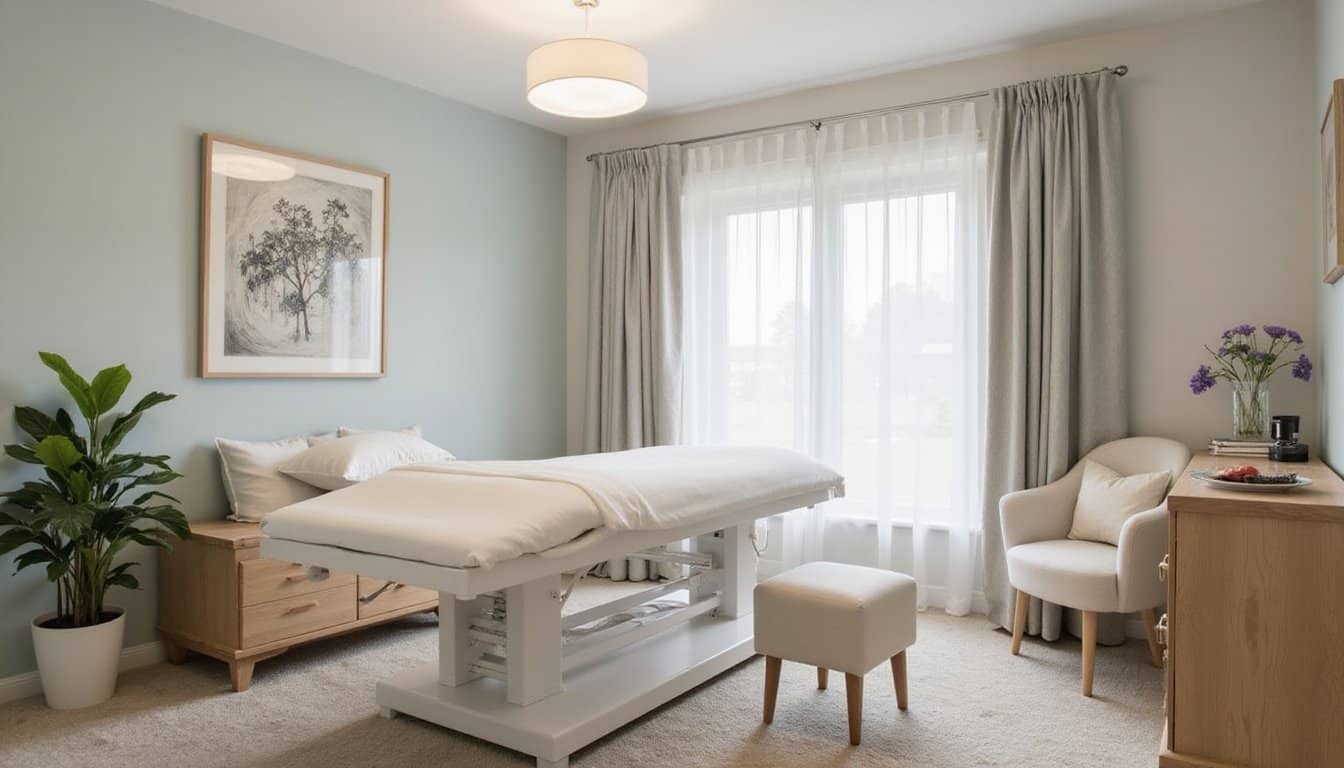
Although quick sensory tools offer immediate relief during acute anxiety spikes, deep pressure therapy targets the underlying nervous system dysregulation that drives sensory anxiety in the first place. When you receive firm, sustained pressure through weighted blankets, compression garments, or hand-applied techniques, your parasympathetic nervous system activates. Your heart rate slows, muscles release tension, and breathing deepens.
Deep pressure therapy anxiety reduction works through measurable neurochemical shifts. Your cortisol levels drop while serotonin and dopamine increase, directly supporting mood regulation. Oxytocin production rises as touch receptors respond to gentle pressure, reinforcing calm.
With consistent practice, you’ll notice anxiety decreases over time. You’ll feel more grounded and composed, with calming effects persisting for several hours after each session. Desensitization to tactile input also develops gradually. For the most effective results, deep pressure therapy works best as part of a broader support plan tailored to your individual sensory needs and preferences.
How Movement and Body Awareness Reduce Sensory Anxiety
When you engage your proprioceptive system through activities like heavy lifting, pushing, or resistance exercises, you provide your nervous system with calming input that can directly reduce anxiety responses. Vestibular activities, such as rhythmic rocking, swinging, or slow deliberate movements like Tai Chi, further support sensory regulation by engaging your body’s balance and motion-processing systems in predictable, soothing patterns. Pairing these inputs with body awareness grounding techniques, including mindful body scans and interoceptive breathing, helps you tune into physical sensations and anchor yourself in the present moment.
Proprioceptive Input Calms Anxiety
As sensory anxiety escalates, the proprioceptive system offers one of the most direct pathways back to calm. When you engage in heavy work activities, your body shifts from sympathetic arousal into parasympathetic activation, effectively overriding the fight-or-flight response. This process triggers serotonin and dopamine release, creating sustained neurochemical calm.
In sensory integration therapy anxiety protocols, proprioceptive input serves as the brain’s organizing force. Consider these grounding techniques:
- Carrying a weighted backpack to anchor your body in space
- Pushing heavy objects to flood your nervous system with calming signals
- Wall push-ups to engage deep pressure resistance
- Pulling resistance bands to activate muscle-joint receptors
These methods restore sensory order, reduce restlessness, and strengthen your body awareness during anxious episodes.
Vestibular Engagement Supports Regulation
Beyond proprioceptive input, the vestibular system provides another powerful route to emotional regulation, one that directly shapes how safe and grounded you feel in your body. Your brain’s vestibular network overlaps with emotion-processing regions like the amygdala, insular cortex, and prefrontal cortex, meaning movement directly influences your anxiety response.
Among therapies for sensory driven anxiety, controlled vestibular engagement stands out. Slow, linear movements, such as gentle swinging or rocking, calm your autonomic nervous system by working against arousal pathways. Research shows even a single 38-minute session of vestibular stimulation markedly reduces anxiety levels. When your vestibular system processes input efficiently, you feel oriented, organized, and secure. When it doesn’t, everyday experiences become disorienting and overwhelming. Targeted vestibular activities recalibrate this system, restoring your body’s capacity to self-regulate.
Body Awareness Grounding Techniques
Your body holds a map of your anxiety, tension lodged in your jaw, shallow breath caught in your chest, a stomach that won’t unclench. Body awareness grounding techniques teach you to read that map without judgment, transforming physical sensation from threat into information.
In mental health treatment sensory anxiety responds powerfully to embodied practices:
- Body scan meditation directs attention head-to-toe, observing warmth, tingling, or tension without modifying it
- Progressive muscle release involves deliberately clenching then relaxing muscle groups sequentially
- Synchronized yoga poses like child’s pose and cat-cow anchor awareness through kinesthetic feedback
- 4-7-8 breathing activates your parasympathetic nervous system, short-circuiting the stress response
Each technique rebuilds your connection to physical experience, replacing reactive overwhelm with grounded, deliberate awareness.
How CBT Retrains the Brain’s Sensory Alarm System
Every sensory experience you encounter, a car horn, a flickering light, the texture of clothing against skin, passes through your brain’s threat detection system before you’re even consciously aware of it. Your amygdala processes this input faster than your prefrontal cortex can analyze it, triggering fight-or-flight reactions to objectively safe stimuli.
CBT interrupts this cycle through cognitive restructuring, actively challenging threat-based interpretations and replacing them with evidence-based alternatives. You’ll learn to pause, examine your automatic thoughts, and engage your prefrontal cortex before reacting. Brain imaging confirms this works: successful CBT increases prefrontal activity while reducing amygdala reactivity.
Over time, consistently practicing rational reappraisal weakens anxious neural pathways. Your brain begins correctly categorizing sensory input, lowering unnecessary alarm signals and restoring proportionate responses.
Build Your Personalized Sensory Safety Plan

Start by systematically documenting your specific sensory triggers across all modalities, visual, auditory, tactile, olfactory, and gustatory, noting which inputs consistently provoke distress and which environments increase your vulnerability to overload. Once you’ve mapped these patterns, select calming sensory tools that directly counteract your identified triggers, such as noise-canceling headphones for auditory sensitivity or textured grounding objects for tactile overwhelm. This personalized inventory becomes the foundation of your sensory safety plan, equipping you with targeted strategies you can deploy before distress escalates.
Identify Your Sensory Triggers
How often do you notice the exact moment a sound, texture, or visual stimulus shifts your nervous system from calm to overwhelmed? Pinpointing that threshold is the foundation of effective treatment for sensory anxiety. Start by tracking your responses systematically: Consider how sensitivity to light explanations can reveal your triggers. By identifying the specific conditions under which you feel heightened sensitivity, you can better prepare yourself in those situations.
- Record which specific sounds, lights, or textures produce sudden irritability, noting time, setting, and intensity.
- Monitor moments when “everything feels too much” to identify your environmental saturation point.
- Document urgent escape urges from stimulating spaces like crowded stores or loud restaurants.
- Log physical reactions, stomachache, headache, nausea, alongside the triggering stimulus to reveal psychosomatic patterns.
Your triggers are neurologically unique. What overwhelms you won’t necessarily affect someone else. This personalized data sharpens every therapeutic strategy that follows.
Choose Calming Sensory Tools
Once you’ve mapped your specific triggers, the next step is assembling a portable kit of sensory tools that directly counteract each one. Match each tool to a specific sensory channel. For auditory overwhelm, noise-canceling headphones prevent fight-flight-freeze responses. For tactile regulation, fidget toys like NeeDoh release nervous energy and interrupt anxiety cycles. Reducing daily sensory triggers can lead to a noticeable improvement in your overall well-being. As you become more aware of your environment, you’ll find it easier to identify which situations to avoid or modify.
When managing sensory anxiety therapy goals, consider weighted lap pads for proprioceptive grounding during seated tasks. Cocoon swings deliver combined vestibular and deep pressure input. Sensory bottles provide visual reset cues during changes.
Your toolkit should address multiple sensory systems simultaneously. Pair chewelry for oral needs with a light projector for visual calming. This layered approach activates your rest-and-digest response, building measurable confidence across daily environments.
Call Now and Get the Help You Need
Anxiety has a way of making everyday life feel heavier than it should but real relief is within reach when you have the right people beside you. At Villa Healing Center, we provide Anxiety Treatment built around your needs to help you find lasting peace. Serving individuals throughout Los Angeles County, our compassionate team is ready when you are. Call (888) 669-0661 today and take the first step toward healing
Frequently Asked Questions
Can Sensory-Driven Anxiety Develop Later in Life or Only in Childhood?
Sensory-driven anxiety most often originates during childhood, but you can develop it later in life too. Brain injury, significant trauma, or chronic stress can alter your nervous system’s functioning, triggering new sensory sensitivities. When you’re chronically overloaded, your body activates its fight-or-flight response, creating persistent anxiety. However, late-life onset represents a minority of cases. If you’re experiencing new sensory-driven anxiety, you’ll benefit from targeted therapeutic approaches addressing your specific nervous system responses.
How Long Does It Typically Take for Sensory-Based Therapies to Show Results?
You’ll likely notice early improvements within the first few weeks to three months, including better engagement and initial skill development. Between three to six months, you’ll see more consistent gains in sensory regulation and reduced challenging behaviors. Significant, lasting progress typically requires six months to two years of consistent intervention. Research shows children can improve an average of twelve percentile points after approximately 30 sessions. Your commitment to regular participation directly influences outcomes.
Is Sensory-Driven Anxiety Officially Recognized as a Clinical Diagnosis?
Sensory-driven anxiety isn’t officially recognized as a stand-alone diagnosis in the DSM-5 or ICD-10. You’ll find that most clinicians view sensory processing difficulties as symptoms associated with conditions like autism, ADHD, or anxiety disorders rather than an independent diagnosis. However, occupational therapists and a growing number of practitioners do recognize these patterns and actively treat them. You can still access effective therapeutic interventions even without a formal stand-alone classification.
Can Medication Be Combined With Sensory Therapies for Better Anxiety Management?
Yes, you can combine medication with sensory therapies to enhance your anxiety management. Doctors often prescribe anti-anxiety medications alongside sensory-based interventions like gradual exposure and relaxation techniques. This combined approach helps you regulate your nervous system more effectively while building long-term coping skills. You’ll find that medication can reduce your baseline anxiety, making sensory therapy sessions more productive. Always work closely with your healthcare provider to tailor this integrated plan to your specific needs.
Does Sensory-Driven Anxiety Worsen Without Professional Intervention Over Time?
Yes, sensory-driven anxiety typically worsens without professional intervention. Untreated anxiety and sensory sensitivities fuel each other, creating a negative feedback loop where avoidance reinforces your anxiety rather than reducing it. Over time, you’re likely to develop co-occurring challenges like sleep difficulties, irritability, and emotional dysregulation. Early treatment helps you break this cycle by identifying triggers, building self-management strategies, and preventing symptoms from becoming entrenched and resistant to intervention.