
Postpartum depression can start as early as 48 hours after you give birth, though it most commonly develops during the 2, 8 week window. Your symptoms will typically peak between one and three months postpartum, with the average onset occurring around 14 weeks. However, you should know that depression can emerge anytime within the first year after delivery. Understanding the key screening checkpoints and warning signs can help you get support sooner.
How Soon Can Postpartum Depression Start After Delivery?

Postpartum depression can begin as early as 48 hours after delivery, though the onset window extends far beyond those initial days. You might notice symptoms emerging within the first week, or they may develop gradually over several months.
When does postpartum depression start? Clinical definitions recognize onset within four weeks postpartum as peripartum onset, but healthcare organizations acknowledge that symptoms can appear anytime during the first year after birth. When can postpartum depression start becomes an important question because delayed recognition often occurs when symptoms surface beyond the early postpartum period. Some women may even report symptoms up to 4 years after childbirth, which can significantly affect their quality of life.
Understanding this variable timeline helps you stay vigilant throughout your postpartum year. Your symptoms don’t need to appear immediately after childbirth to qualify as postpartum depression. Research shows that postpartum depression affects 1 in 7 women who have just given birth, making awareness of these varying timelines essential for early intervention.
Baby Blues vs. PPD: The Two-Week Turning Point
If your emotional symptoms persist beyond two weeks postpartum, this signals a shift from typical baby blues to something that warrants clinical attention. While baby blues naturally resolve within 10, 14 days, symptoms that intensify, remain constant, or begin interfering with your ability to function suggest postpartum depression may be developing. Postpartum depression affects 10-15% of women in the six months following childbirth. In contrast, baby blues affect approximately 80% of new mothers but resolve on their own without requiring treatment. You shouldn’t dismiss ongoing sadness, anxiety, or difficulty coping as normal adjustment, these changes deserve evaluation and support.
Symptoms Beyond Two Weeks
Most new parents experience some emotional upheaval in the first days after delivery, tearfulness, mood swings, anxiety, and trouble sleeping affect up to 75% of postpartum individuals. These baby blues typically resolve within two weeks. When symptoms persist or intensify beyond that window, you’re likely facing something more significant.
If you’re still struggling after two weeks, pay attention. Persistent depressed mood, anhedonia, intense irritability, or worsening anxiety signals a probable shift into postpartum depression. You may notice difficulty caring for yourself or your baby, withdrawal from loved ones, or overwhelming guilt that wasn’t there initially. Unfortunately, up to 50% of cases go undiagnosed because stigma and reluctance to disclose symptoms prevent many from seeking help.
Some individuals develop delayed postpartum depression, with symptoms first appearing months after delivery. Most cases emerge between one and six months postpartum, so feeling fine at two weeks doesn’t guarantee you’re in the clear. The good news is that almost all individuals with postpartum depression can overcome their symptoms with professional help, including antidepressants, psychotherapy, or support group participation.
When Blues Become Serious
Around two weeks postpartum marks a critical dividing line between normal adjustment and clinical concern. If your symptoms persist, worsen, or newly emerge beyond this point, you’ve crossed into territory that requires attention. Understanding the postpartum depression timeline start helps you recognize when blues become serious.
| Feature | Baby Blues | Postpartum Depression |
|---|---|---|
| Duration | Resolves by 2 weeks | Persists beyond 2 weeks |
| Functioning | Preserved caregiving | Impaired daily tasks |
| Emotional tone | Transient tearfulness | Deep hopelessness |
You should watch for progressive changes rather than gradual improvement. When overwhelming feelings deepen into pervasive despair or you’re struggling to bond with your baby, these signals warrant professional evaluation. Don’t dismiss worsening symptoms as normal adjustment, early intervention improves outcomes considerably. Left untreated, postpartum depression can last for months or years and negatively affect both your health and your baby’s development. Effective treatments are available, including counseling or medication, so reaching out to your healthcare provider is an important first step toward recovery. You should watch for progressive changes rather than gradual improvement. When overwhelming feelings deepen into pervasive despair or you’re struggling to bond with your baby, these signals warrant professional evaluation. Don’t dismiss worsening symptoms as a normal adjustment, early intervention is central to preventing postpartum depression from becoming more severe or long-lasting. Left untreated, postpartum depression can persist for months or years and negatively affect both your health and your baby’s development. Effective treatments are available, including counseling or medication, so reaching out to your healthcare provider is an important first step toward recovery.
Why Half of PPD Cases Actually Begin During Pregnancy

Although postpartum depression carries its name from the period after birth, research reveals that approximately 50% of these depressive episodes actually begin during pregnancy. The DSM-5-TR acknowledges this reality by using the specifier “with peripartum onset” rather than limiting the diagnosis to postpartum timing.
Your body experiences significant hormonal shifts throughout pregnancy, not just after delivery. While estrogen withdrawal following birth receives considerable attention, the rapid fluctuations in estradiol and progesterone during pregnancy also act as biological stressors if you’re susceptible. These changes, combined with altered cortisol regulation and disrupted sleep, create conditions where depression can emerge months before your baby arrives.
This evidence supports routine depression screening during pregnancy. Recognizing symptoms early allows you to access treatment sooner, potentially reducing severity and improving outcomes for both you and your baby. Currently, less than 20% of women are screened for maternal mental health disorders, highlighting a significant gap in prenatal care. The encouraging news is that up to 80% of individuals with postpartum depression achieve a full recovery when they receive appropriate treatment and support.
The 2, 8 Week Window When PPD Hits Hardest
Postpartum depression often sets in during the 2, 8 week window after delivery, making this period particularly critical for monitoring. Research shows that onset during these early weeks correlates with approximately four times higher rates of severe depression compared to cases beginning during pregnancy. If your symptoms persist beyond the typical two-week baby blues phase, you’re likely experiencing something more serious.
During this postpartum period, you may notice intensifying sadness, anxiety, and difficulty bonding with your baby. Anhedonia, losing interest in activities you once enjoyed, commonly emerges alongside cognitive difficulties like poor concentration and intrusive thoughts. You might struggle to manage daily tasks or care for yourself and your infant. Many new mothers also experience frequent crying spells and persistent feelings of unhappiness about being a parent. Research indicates that comorbid anxiety and anhedonia are associated with pregnancy and obstetric complications, making early identification even more essential.
Don’t dismiss worsening symptoms as normal adjustment. If you’re experiencing functional decline or thoughts of self-harm, seek help immediately.
When Postpartum Depression Symptoms Typically Peak
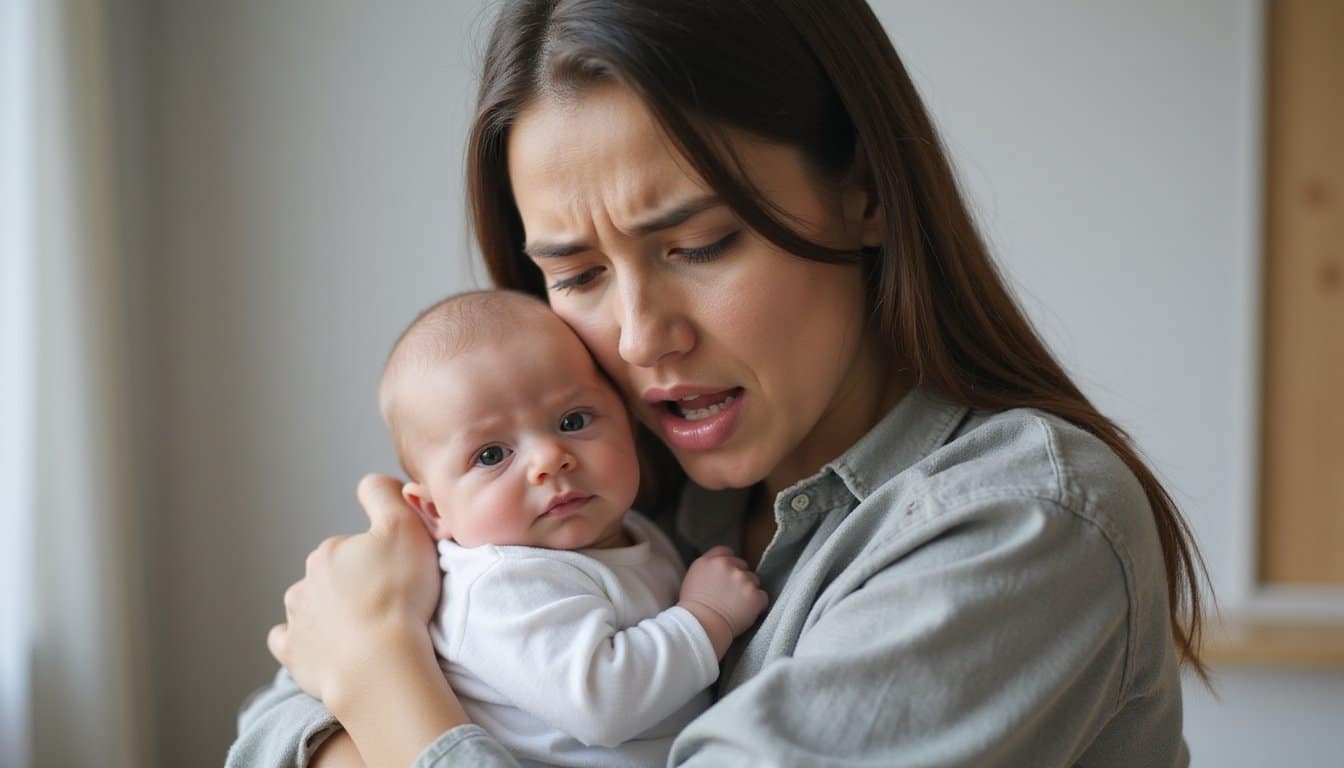
When do postpartum depression symptoms reach their most intense point?
Research shows PPD symptoms commonly peak between one and three months postpartum, with average onset occurring around 14 weeks after delivery. This means you’re likely to experience your heaviest symptom burden during the second to fourth postpartum month.
When does postpartum depression peak? The timing varies based on your individual circumstances. If you’re Black or Hispanic, you may notice symptoms emerging within the first two weeks, shifting your peak earlier. Episodes beginning in the first eight weeks postpartum are associated with higher rates of severe depression.
Your peak may present as intense early symptoms that gradually improve, or subtle distress that worsens over several weeks. Comorbid anxiety or anhedonia often signals a more severe symptom cluster requiring prompt clinical attention.
What Makes Some Women Experience Earlier or Later Onset?
Several interconnected factors determine whether postpartum depression surfaces within days of delivery or emerges months later. Your biological sensitivity to hormonal shifts plays a significant role, if you’re vulnerable to the sharp drop in estrogen and progesterone after birth, you may experience earlier onset with more severe anxious symptoms.
Your psychiatric history matters considerably. Prior depression increases your risk nearly fourfold for symptoms persisting at 9-10 months postpartum. Can postpartum depression start at 6 months? Yes, cumulative stressors like financial strain, relationship difficulties, and caregiving demands can trigger delayed onset well beyond the immediate postpartum period.
Sociodemographic factors also influence timing. Research shows Black and Hispanic women more often report onset within two weeks of delivery, while White women frequently experience later emergence, reflecting differences in support systems and healthcare access. Women with Medicaid insurance postpartum face more than double the risk of experiencing depressive symptoms at 9-10 months compared to those with private insurance.
Can Postpartum Depression Start 6 Months After Birth?
Beyond the early weeks and months, depression can still emerge for the first time at six months postpartum or later, and it’s more common than many realize. Research shows 7.2% of women experience depressive symptoms at 9, 10 months postpartum, with over half having no earlier symptoms.
| Onset Window | Recognition | Clinical Status |
|---|---|---|
| 0, 6 months | Most common | Recognized PPD |
| 6, 12 months | Less expected | Still valid PPD |
| Beyond 1 year | Rare cases | Requires evaluation |
Professional guidelines recognize depression occurring within 12 months after childbirth as postpartum depression. If you’re wondering when does postpartum depression end, know that later onset doesn’t predict a worse outcome. You deserve support regardless of when symptoms first appear, don’t dismiss what you’re feeling because it started “late.”
Key Screening Checkpoints Through the First Year
- 0, 2 weeks: Initial assessment during your hospital stay or first postpartum contact
- 2, 6 weeks: Thorough obstetric postpartum visit with validated tools like EPDS or PHQ-9
- 1, 2, 4, and 6 months: Pediatric well-child visits where your provider screens you alongside your baby’s care
- 6, 12 months: Extended primary care follow-up
Each checkpoint matters because symptoms may not appear immediately. You might feel fine initially, then experience worsening mood weeks later. Repeated screening overcomes barriers like stigma or limited insight, ensuring you receive appropriate evaluation and treatment when you need it most. If you screen positive at any checkpoint, your provider should promptly address concerns before you leave the appointment.
Because postpartum depression can emerge at any point during the first year, consistent screening at multiple checkpoints offers the best chance for early detection and timely support. This is especially critical given that perinatal depression rates among women range from 12%-15%, with some regions reporting even higher percentages.
Signs Your PPD Symptoms Are Worsening Over Time
When your symptoms persist beyond two weeks and begin interfering more extensively with daily functioning, you’re likely experiencing a worsening pattern that warrants attention. You may notice that tasks you managed earlier, like showering, preparing meals, or attending your baby’s appointments, now feel overwhelming or impossible to complete. This escalating impairment signals that your brain and body need additional support, and reaching out to your healthcare provider can help you access effective treatment before symptoms intensify further.
Symptoms Lasting Beyond Weeks
How do you know if what you’re feeling has crossed from temporary adjustment into something more serious? When depressive symptoms persist beyond two weeks postpartum, you’ve moved past the typical “baby blues” window into potential postpartum depression territory.
Research shows untreated postpartum depression can last months to several years, with some cases continuing up to four years after childbirth. Approximately 3.1% of postpartum women experience symptoms present at two to six months that remain at nine to ten months. Research shows untreated postpartum depression can last months to several years, with some cases continuing up to four years after childbirth, highlighting why many people ask how long does postpartum depression last. Approximately 3.1% of postpartum women experience symptoms present at two to six months that persist through nine to ten months, demonstrating how symptoms can become prolonged without timely treatment and support.
Watch for these duration warning signs:
- Depressed mood continuing beyond the initial two-week adjustment period
- Symptoms intensifying rather than gradually improving over weeks
- Fatigue, sleep disruption, or appetite changes that worsen instead of stabilize
If your symptoms aren’t resolving, they’re likely progressing, and early intervention substantially improves outcomes.
Increasing Functional Impairment
Postpartum depression often reveals its progression through measurable changes in how you function day to day. You may notice increasing difficulty with basic self-care, bathing, eating regular meals, or taking medications becomes harder than it was in earlier postpartum weeks. Your energy and motivation drop noticeably, interfering with routine activities you once managed. Postpartum depression often reveals its progression through measurable changes in how you function day to day. With Postpartum depression ppd, you may notice increasing difficulty with basic self-care, bathing, eating regular meals, or taking medications becomes harder than it was in earlier postpartum weeks. Your energy and motivation can drop noticeably, interfering with routine activities you once managed without significant effort.
Household responsibilities often deteriorate as symptoms intensify. Research shows women with PPD are 12 times less likely to return to pre-pregnancy functional levels in household and role tasks. You might find yourself relying more on others or leaving tasks unfinished for extended periods.
Social withdrawal typically worsens alongside these changes. You may pull away from friends, family, and support networks while experiencing increasing conflict in close relationships. Cognitive difficulties, trouble concentrating, making decisions, or planning, compound these functional challenges.
Frequently Asked Questions
Can Postpartum Depression Come Back With a Second Pregnancy?
Yes, postpartum depression can return with a second pregnancy. If you’ve experienced it before, your recurrence risk rises to approximately 30, 50%, compared to about 1 in 7 for the general population. Your prior history is one of the strongest predictors for future episodes. However, you can reduce this risk through proactive planning, close monitoring during pregnancy, and early intervention. Talk with your provider about a personalized prevention strategy before or during your next pregnancy.
How Long Does Postpartum Depression Typically Last Without Treatment?
Without treatment, postpartum depression typically lasts several months, with many cases improving within 3, 6 months. However, your experience may differ markedly. Research shows about 5% of mothers have persistently high symptoms for up to 3 years, and untreated PPD can develop into chronic depression. Unlike baby blues, which resolve within two weeks, PPD doesn’t simply fade on its own, it often requires intervention for full recovery.
Does Breastfeeding Affect When Postpartum Depression Symptoms Appear?
Yes, breastfeeding can influence when your symptoms emerge. If you experience early breastfeeding difficulties, like pain or latch problems, you’re more likely to develop depressive symptoms within the first month. Stopping breastfeeding suddenly or earlier than planned often triggers symptoms in the weeks following weaning. Conversely, if you’re able to breastfeed exclusively beyond three months, you may have a lower risk of developing new symptoms later in your postpartum year.
Can Fathers or Non-Birthing Partners Experience Postpartum Depression?
Yes, you or your partner can experience postpartum depression regardless of gender. Research shows approximately 10% of new fathers develop depression, with risk peaking when babies are 3, 6 months old. You may notice symptoms like irritability, anger, fatigue, or withdrawal rather than classic sadness. If your partner struggles with depression, your own risk increases substantially. Don’t hesitate to seek screening and support, your mental health matters for your family’s wellbeing.
Does the Type of Delivery Influence Postpartum Depression Onset Timing?
Your type of delivery can influence when postpartum depression symptoms appear. Emergency cesarean and traumatic deliveries are linked to earlier onset, often within the first four to six weeks, due to acute stress, pain, and unexpected outcomes. However, late-onset depression (beyond six months) is driven more by ongoing stress, prior depression history, and infant-related challenges than by how you delivered. Delivery type affects early timing more than it shapes later symptom patterns.