
Postpartum depression is a clinically significant mood disorder that develops after childbirth, affecting approximately 1 in 7 postpartum individuals. Unlike the temporary “baby blues” that resolve within two weeks, PPD involves persistent symptoms, including severe sadness, cognitive impairment, and difficulty bonding with your baby, that can last months without treatment. The DSM-5-TR classifies it as major depressive disorder with peripartum onset. Understanding its causes, risk factors, and warning signs can help you recognize when to seek care.
What Is Postpartum Depression?
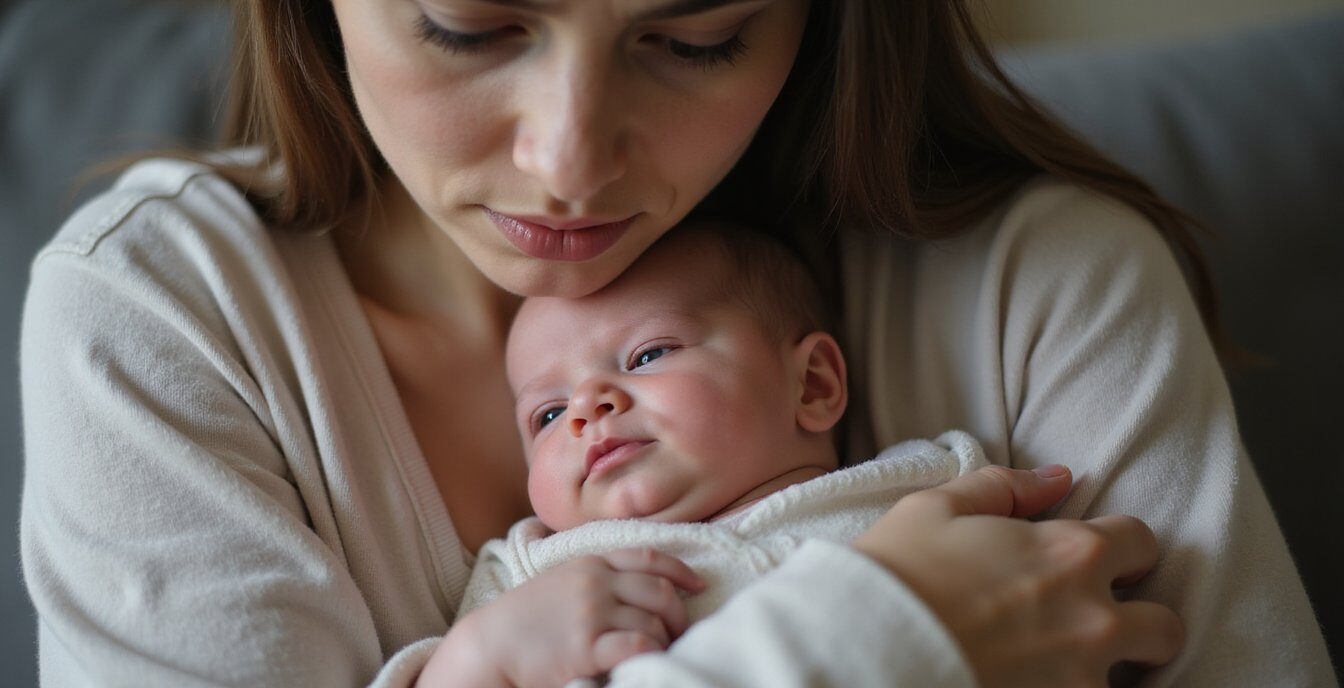
Postpartum depression is a depressive mood disorder that develops after childbirth, typically within the first year following delivery. Understanding what comprises postpartum depression requires distinguishing it from temporary “baby blues.” While baby blues resolve within one to two weeks, PPD involves persistent, clinically significant symptoms lasting weeks to months.
The postpartum depression meaning extends beyond ordinary adjustment stress. You experience intense sadness, anxiety, or despair that interferes with daily functioning and infant care. What characterizes PPD in diagnostic terms? The DSM-5-TR classifies it as major depressive disorder with peripartum onset.
The PPD meaning emphasizes this isn’t personal weakness, it’s a treatable medical condition. Post depression meaning in this context refers specifically to mood disturbance following birth, affecting approximately one in seven postpartum individuals. Untreated PPD can lead to serious consequences including premature birth and low birth weight, as well as problems with mother-infant bonding. Risk factors for developing PPD include limited social support, marital conflict, and a personal or family history of depression.
Common Symptoms of Postpartum Depression
When postpartum depression develops, it manifests through distinct symptom clusters that extend far beyond temporary mood fluctuations. Depression post partum typically presents with persistent sadness, severe mood swings, and feelings of hopelessness lasting most of the day. Post pregnancy depression affects cognitive function, causing difficulty concentrating, intrusive thoughts, and persistent beliefs about parental inadequacy.
Postnatal depression also produces physical symptoms, including marked fatigue, sleep disturbances, and appetite changes. Post natal depression frequently triggers social withdrawal and difficulty bonding with your baby. Peripartum depression may cause you to neglect personal care and household responsibilities. It’s important to recognize that fathers and partners can also become depressed during this period.
Severe perinatal depression includes panic attacks, suicidal ideation, or thoughts of harming your baby. In rare cases, postpartum psychosis can develop with symptoms such as confusion, obsessive thoughts, and hallucinations. PP depression, after pregnancy depression, and depression after birth all require professional evaluation when symptoms persist or intensify.
How PPD Differs From the Baby Blues
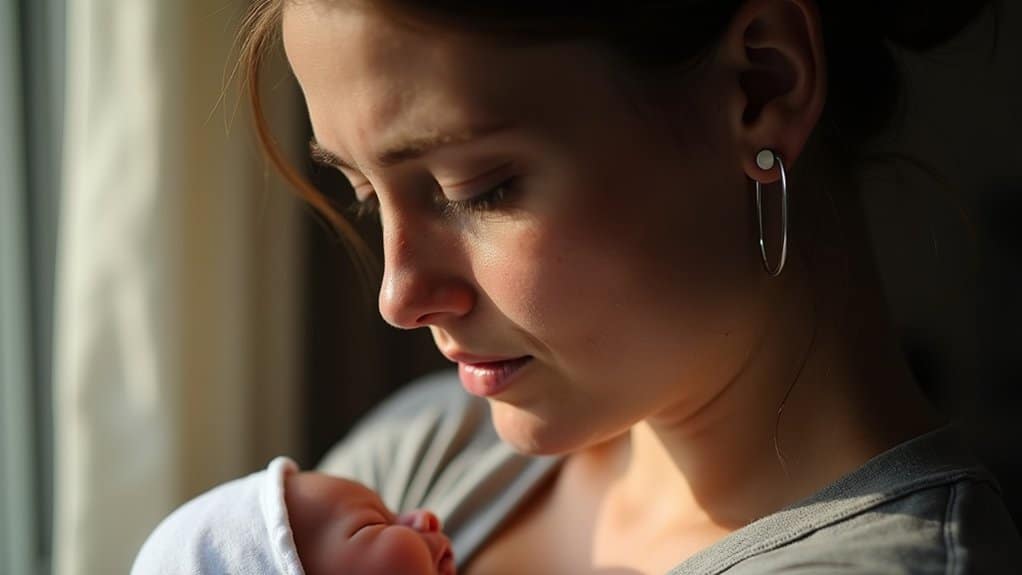
Understanding how postpartum depression differs from the baby blues helps you recognize when symptoms require professional attention. The baby blues typically begin within 2, 5 days after delivery and resolve within 10, 14 days, while PPD often emerges 1, 3 weeks postpartum and can persist for months or years without treatment. Additionally, baby blues cause mild mood fluctuations that don’t markedly impair your daily functioning, whereas PPD produces more severe symptoms that interfere with caregiving, self-care, and emotional bonding with your baby. In contrast, baby blues affect approximately 80% of mothers and typically resolve on their own without requiring treatment. PPD affects approximately 10-15% of women in the six months following childbirth, making it a significant but treatable mental health condition.
Timing and Duration Differences
One of the most reliable ways to distinguish postpartum depression from the baby blues is by examining when symptoms first appear and how long they persist. Baby blues typically emerge 2, 5 days after childbirth and resolve within two weeks. PPD, classified under perinatal mood and anxiety disorders (PMADs), can develop anytime within the first 12 months postpartum, with the DSM-5 specifying onset within four weeks of delivery.
Duration provides critical diagnostic clarity. Baby blues are self-limited, rarely extending beyond 14 days. PPD persists for months and, without treatment, can continue for years. Untreated PPD can also interfere with mother-baby bonding and negatively impact the baby’s development. While up to 80% of new mothers experience the temporary mood dips associated with baby blues, the more severe and prolonged nature of PPD affects approximately 10% of those who’ve given birth. If your symptoms haven’t improved by the two-week mark or emerge after the initial postpartum period, you’ve crossed a clinical threshold that warrants professional evaluation for postpartum depression.
Severity and Functional Impact
Beyond timing, the severity of symptoms and their impact on daily functioning provide the clearest diagnostic distinction between postpartum depression and baby blues. While baby blues involve mild, fluctuating mood swings with preserved functioning, PPD mirrors major depressive disorder with intense hopelessness, worthlessness, and persistent sadness that disrupts daily life.
With PPD, you may struggle to complete basic tasks like household chores or personal hygiene. Your ability to maintain consistent infant care, feeding schedules, diaper changes, soothing, becomes remarkably impaired. Both obstetrics and psychiatry recognize these functional deficits as key diagnostic markers.
Baby blues allow you to continue functioning despite emotional distress. PPD often prevents work performance, social participation, and caregiving consistency. This distinction determines treatment necessity: baby blues resolve spontaneously, while PPD typically requires clinical intervention through therapy, medication, or both.
What Causes Postpartum Depression?
Postpartum depression doesn’t stem from a single cause but rather emerges from multiple interacting factors. Your body experiences dramatic hormonal shifts after birth, including rapid drops in estrogen and progesterone, that can disrupt mood-regulating neurotransmitters. Genetic vulnerability, family history of depression, and psychosocial stressors like inadequate support or relationship conflict further compound your risk. Previous psychiatric illnesses represent one of the major risk factors that can significantly increase your likelihood of developing postpartum depression. Research shows that 10-15% of women experience postpartum depression, making early identification and intervention crucial for protecting both mother and child.
Hormonal Shifts After Birth
Several dramatic endocrine changes occur within hours to days after delivery, creating conditions that may trigger depressive symptoms in susceptible individuals. During pregnancy, your estrogen and progesterone levels rise considerably, then plummet sharply after birth. This rapid hormonal withdrawal disrupts serotonin, dopamine, and BDNF pathways that regulate mood and stress resilience. However, researchers have not established a definite causal connection between these hormone shifts and postpartum depression development.
Progesterone’s neuroactive metabolites, particularly allopregnanolone, normally provide calming effects through GABA receptor modulation. When these metabolites decline postpartum, you may experience heightened anxiety and irritability. Research indicates that hormone fluctuations, rather than absolute low levels, are critical in triggering postpartum depression (PPD). Individual differences in sensitivity to these hormone fluctuations may explain why some women develop PPD while others do not.
Your HPA axis also undergoes remarkable changes. Cortisol, CRH, and ACTH levels drop after delivery, creating endocrine instability. High late-pregnancy cortisol correlates with increased depressive symptoms, confirming stress-system involvement in PPD development.
Genetic and Family History
While hormonal fluctuations play a significant role in PPD development, your genetic makeup and family history also strongly influence your susceptibility. Research shows that having a family history of any psychiatric disorder nearly doubles your PPD risk, with studies indicating an odds ratio of 2.08. Identical twins are more likely to experience PPD than other types of sibling pairs, further demonstrating how genetics contribute to risk.
| Risk Factor | Impact on PPD Risk |
|---|---|
| Family history of psychiatric disorder | Nearly doubles risk (OR 2.08) |
| Genetic heritability | Accounts for ~44% of risk |
Twin studies reveal that approximately 44% of individual PPD risk stems from genetic factors, higher than non-perinatal depression at 32%. Your genes influence serotonin pathways, oxytocin system functioning, and inflammatory responses. Remarkably, about one-third of genetic risk for PPD is unique to the perinatal period, distinct from general depression vulnerability. The largest-ever meta-analysis of genome-wide association studies found that PPD’s genetic architecture correlates with bipolar disorder, anxiety disorders, PTSD, and other psychiatric conditions.
Psychosocial Stress Factors
Beyond genetic predisposition, psychosocial stress factors represent some of the most powerful predictors of postpartum depression. Major negative life events, bereavement, relationship breakups, serious illness, or financial loss, significantly elevate your risk. High psychological stress around childbirth increases PPD risk by approximately six to nine times compared to low stress levels.
Your support network matters critically. Low social support from family and friends, poor partner relationship quality, and inadequate partner involvement strongly predict PPD development. Research shows 55.4% of women with PPD reported insufficient partner support versus 18.8% without the condition. Support from both partner and mother serves as a protective factor against developing PPD.
Socioeconomic adversity compounds these risks. Unemployment, financial strain, low educational attainment, and unplanned pregnancy all contribute to higher PPD prevalence. These evidence-based findings confirm that is postpartum depression real, it’s a clinically validated condition shaped by identifiable environmental stressors.
Who Is Most at Risk for PPD?
Certain individuals face considerably higher odds of developing postpartum depression based on identifiable clinical, demographic, and psychosocial factors. Your maternal mental health history serves as the strongest predictor, if you’ve experienced prior depression or PPD, your recurrence risk reaches up to 50%. Antenatal depression doubles to triples your odds. Certain individuals face considerably higher odds of developing postpartum depression based on identifiable clinical, demographic, and psychosocial factors. Causes of postpartum depression explained through research show that maternal mental health history is the strongest predictor, if you’ve experienced prior depression or PPD, your recurrence risk can reach up to 50%. Antenatal depression further compounds risk, doubling to tripling the likelihood of postpartum depressive episodes.
| Risk Category | Specific Factor | Impact Level |
|---|---|---|
| Clinical | Prior PPD or depression | Up to 50% recurrence |
| Demographic | Age under 25 | ~10% symptom rate |
| Medical | Gestational diabetes | OR approximately 2.7 |
You’re also at elevated risk if you’re a first-time parent, carrying multiples, or lacking adequate social support. Exposure to intimate partner violence, financial strain, and low socioeconomic status greatly compound your vulnerability to developing this condition.
When PPD Becomes a Medical Emergency

Although postpartum depression typically responds to outpatient treatment, certain presentations constitute psychiatric emergencies requiring immediate intervention. You should seek emergency care immediately if you experience thoughts of self-harm, suicide, or harming your baby. Postpartum psychosis, marked by hallucinations, delusions, paranoia, or disorganized behavior, requires urgent psychiatric evaluation.
Red-flag symptoms include severe insomnia with agitation, fixed false beliefs about your infant, or recurring thoughts of death. If you can’t care for yourself or your baby due to symptom severity, this signals a crisis.
Call 911 or go to your nearest emergency department when these symptoms occur. Delayed intervention increases suicide risk, potential harm to your infant, and long-term psychiatric complications. Activate your support network to guarantee supervision and safe transport to care.
How PPD Relates to Other Perinatal Mood Disorders
Postpartum depression exists within a broader spectrum of perinatal mood and anxiety disorders (PMADs), sharing diagnostic features, risk factors, and clinical overlap with related conditions. Up to 50% of PPD episodes begin during pregnancy, demonstrating continuity across the perinatal period rather than isolated postpartum onset.
Up to 50% of postpartum depression episodes actually begin during pregnancy, not after delivery.
You should understand that PPD frequently co-occurs with other conditions:
- Perinatal anxiety: At two weeks postpartum, approximately 19.9% of individuals with depression experience comorbid anxiety, compared to 1.3% without depression
- OCD-type symptoms: Obsessions and compulsions occur more frequently alongside PPD and tend to persist longer than acute anxiety
- Bipolar disorder: Many postpartum psychosis cases represent bipolar episodes, requiring distinct treatment approaches
Clinicians classify PPD as clinically indistinguishable from major depression at other life stages, though anchored specifically to perinatal context.
How Postpartum Depression Is Treated
Several evidence-based treatment approaches can effectively address postpartum depression, with options ranging from psychotherapy to medication depending on symptom severity and individual circumstances.
Psychotherapy serves as first-line treatment for mild to moderate cases. Cognitive behavioral therapy and interpersonal psychotherapy demonstrate significant symptom reduction in clinical trials, typically delivered across 12, 16 sessions.
Antidepressants, particularly SSRIs, represent first-line pharmacologic treatment, often combined with psychotherapy. Response rates reach 80, 90% in some studies when paired with structured care.
Neuroactive steroids like zuranolone offer rapid symptom relief within days. For severe or treatment-resistant cases, brexanolone infusion or electroconvulsive therapy may be indicated.
Supportive interventions including peer support groups and home-visiting programs provide additional benefit. Your treatment plan should reflect symptom severity, breastfeeding status, and personal preference.
Frequently Asked Questions
Can Fathers or Non-Birthing Partners Also Experience Postpartum Depression?
Yes, you can experience postpartum depression even if you didn’t give birth. Research shows approximately 1 in 10 new fathers develop perinatal mood disorders, with peak risk occurring when your infant is 3, 6 months old. You’re at higher risk if your partner has PPD, you’re sleep-deprived, or you’re experiencing relationship strain. Your symptoms may present differently, often as irritability, anger, withdrawal, or risk-taking behaviors rather than sadness.
How Long Does Postpartum Depression Typically Last Without Treatment?
Without treatment, your postpartum depression typically lasts 3, 6 months, though duration varies extensively. Research shows about 25% of cases persist for 3 years postpartum, and approximately 7% of women still experience symptoms at 9, 10 months. If you don’t receive intervention, you’re at increased risk for chronic major depression, some studies indicate symptoms can continue for decades. Early treatment considerably improves your prognosis and reduces long-term complications.
Can Postpartum Depression Occur After Miscarriage or Stillbirth?
Yes, you can develop postpartum depression after miscarriage or stillbirth. Research shows that nearly 20% of individuals experience clinically significant depression following pregnancy loss, with symptoms persisting 1, 3 years in many cases. You’re at higher risk if you’ve experienced recurrent losses, had a planned pregnancy, or lack adequate social support. The symptom profile, persistent sadness, guilt, sleep disturbance, and anhedonia, mirrors classic PPD presentations following live birth.
Does Breastfeeding Affect Postpartum Depression Symptoms or Treatment Options?
Breastfeeding can influence your postpartum depression symptoms in complex ways. Research shows currently breastfeeding individuals often have lower PPD risk, possibly through oxytocin release and enhanced self-efficacy. However, breastfeeding difficulties, pain, latch problems, or early cessation, are linked to increased depressive symptoms. This bidirectional relationship means PPD can also impair breastfeeding success. Your treatment options remain fully available regardless of feeding method, though medication selection may require lactation-safety considerations.
Can Postpartum Depression Return With Future Pregnancies?
Yes, postpartum depression can return with future pregnancies. If you’ve experienced PPD before, you’re at considerably higher risk, research shows recurrence rates of 15, 50% depending on various factors. Your risk increases further if you have a history of depression, anxiety, limited social support, or high stress levels. Working with your healthcare provider before and during subsequent pregnancies helps you develop a proactive prevention and monitoring plan.