We’re here 24/7 to listen and help.

One-on-One Therapy in Woodland Hills, CA

Individual psychotherapy delivered by licensed clinicians within residential and outpatient mental health programs.

 Adult residential mental health treatment. Licensed clinicians. Outpatient referrals.

One-on-one therapy at Villa Healing Center is evidence-based individual psychotherapy delivered by licensed clinicians in Woodland Hills, California, serving adults across Los Angeles, Orange, Riverside, San Bernardino, and San Diego counties. Sessions use CBT, DBT, psychodynamic, and trauma-focused work, including EMDR. We accept most major commercial insurance and verify benefits in 15 minutes.

Who one-on-one therapy is for?

One-on-one therapy at Villa Healing is the right fit for people dealing with anxiety, depression, trauma, dual diagnosis, suicidal ideation, self-harm, or stress that needs structured clinical attention rather than self-management.

Common profiles include adults stepping down from inpatient psychiatric care who need continuing one-on-one work, people experiencing a depressive or anxiety episode while continuing daily responsibilities, and adults processing trauma or PTSD who benefit from a sustained clinical relationship with a single primary therapist.

This program is for people aged 18 and older. We treat anxiety disorders including generalized anxiety and panic, major depression and persistent depressive disorder, trauma and PTSD, dual diagnosis (mental health and co-occurring substance use), suicidal ideation, self-harm, and stress. Co-occurring conditions are addressed within the same one-on-one work rather than split across separate clinicians, which is the V1 model for people presenting with mental health symptoms complicated by substance use or trauma history.

What one-on-one therapy looks like at Villa Healing

One-on-one therapy at Villa Healing is structured psychotherapy delivered in 45- to 60-minute sessions by a licensed clinician who serves as your primary therapist throughout the engagement.

Treatment begins with a clinical assessment by the licensed therapist who will become your primary clinician. The assessment establishes the working diagnosis, identifies any co-occurring mental health or substance use conditions, reviews treatment history, and outlines the treatment plan for the engagement.

Sessions are scheduled at a frequency set by clinical recommendation. Residential clients receive multiple one-on-one sessions per week with the same primary therapist throughout their stay. Outpatient clients receive scheduled one-on-one sessions on a frequency that fits the clinical picture, adjusted as the treatment plan evolves.

One-on-one therapy is delivered within either residential mental health treatment or our outpatient programs. The same primary therapist generally carries through the level-of-care transition when anyone steps down from residential to outpatient, preserving the clinical relationship that does much of the work in psychotherapy.

Length of engagement is set by clinical recommendation, not a fixed calendar. Some adults complete the primary work in several weeks; others need longer engagements, particularly when trauma processing or dual-diagnosis treatment is the primary clinical focus.

Therapies and modalities used in one-on-one sessions

One-on-one sessions at Villa Healing use five evidence-based modalities, CBT, DBT, psychodynamic, humanistic, and trauma-focused work, matched to the person’s diagnosis, symptoms, and clinical readiness by the treating clinician.

Cognitive Behavioral Therapy (CBT) is the primary modality for depression and anxiety. CBT identifies distorted thought patterns and unhelpful behaviors that maintain symptoms, then replaces them with structured cognitive and behavioral skills. Sessions follow a goal-oriented format with skill practice between meetings. CBT is endorsed by the American Psychological Association and the National Institute of Mental Health as a standard of care for depression, anxiety, and post-traumatic stress disorder.

Dialectical Behavior Therapy (DBT) is used for chronic suicidal ideation, self-harm behavior, and emotion dysregulation. DBT teaches distress tolerance, emotion regulation, mindfulness, and interpersonal effectiveness in a structured skills sequence. DBT was developed for borderline personality disorder and is now used across a broader population presenting with emotion regulation difficulties.

Psychodynamic therapy explores how past experiences and unconscious patterns shape present emotions and relationships. This modality fits working through long-standing patterns, relational struggles, or unresolved emotional material that has not responded to skill-based approaches alone.

Humanistic and person-centered therapy emphasizes the adult’s own capacity for growth and self-understanding within a clinical relationship characterized by empathy and genuine regard. This approach can underlie or complement the other modalities.

Trauma-focused work, including EMDR. For people whose primary clinical picture involves trauma or PTSD, one-on-one sessions incorporate trauma-focused modalities including Eye Movement Desensitization and Reprocessing (EMDR), delivered by an EMDRIA-trained clinician. EMDR is recognized by the American Psychiatric Association, the World Health Organization, and the Department of Veterans Affairs as an effective treatment for PTSD.

The clinician and client discuss modality choice at the start of treatment and adjust over time as the clinical picture changes.

Conditions we treat through one-on-one therapy

Villa Healing treats anxiety, depression, trauma and PTSD, dual diagnosis, suicidal ideation, self-harm, and stress through one-on-one therapy combined with the broader clinical program.

Each condition below has a dedicated clinical page outlining the full treatment framework.

  • Anxiety disorders, including generalized anxiety and panic
  • Major depression and persistent depressive disorder 
  • Trauma and post-traumatic stress disorder
  • Dual diagnosis (mental health and co-occurring substance use)
  • Suicidal ideation and chronic suicidal thoughts
  • Self-harm behavior
  • EMDR therapy as a dedicated trauma modality
  • Mental health treatment overview
  • Residential treatment level of car
  • Outpatient programs


The clinical assessment at admission identifies which condition is primary and which modalities will guide the one-on-one work.

Insurance and cost

Villa Healing Center accepts most major commercial insurance for residential mental health treatment. Most plans cover adult residential mental health care with prior authorization, and continued-stay reviews are conducted based on medical necessity. Out-of-pocket cost depends on your plan deductible and coinsurance.

Villa Healing’s insurance applies to residential treatment specifically. Adults seeking outpatient coverage should contact their insurance carrier directly to identify in-network outpatient providers (a separate provider network from residential facilities).

If you are considering residential treatment at Villa Healing, call (888) 669-0661 to begin the admissions conversation. For outpatient care, the directories in Section 7 are the starting point.

One-on-one therapy in Woodland Hills and the surrounding region

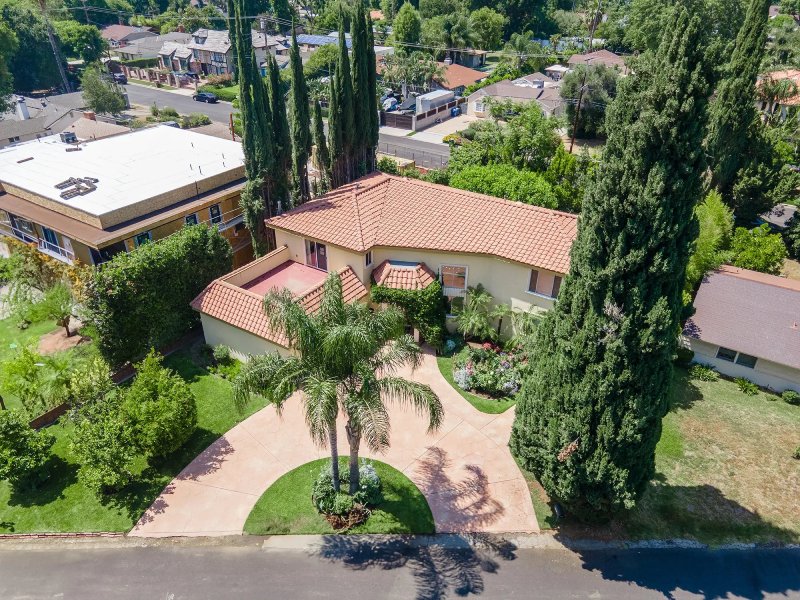
Villa Healing Center is located at 23033 Ostronic Drive, Woodland Hills, California 91367, in the San Fernando Valley of Los Angeles County, accessible from the 101 and 405 Freeways.

People travel to Villa Healing from across the San Fernando Valley, Los Angeles County, Ventura County, Orange County, Riverside County, San Bernardino County, and San Diego County for residential and outpatient mental health treatment. One-on-one therapy is delivered onsite as part of these programs.

Medical Reviewer

 Clinically reviewed by Dr. Courtney Scott, MD, Medical Director at Villa Healing Center. Board eligibility: Emergency Medicine, Internal Medicine, Addiction Medicine.

Read more about our team

Frequently asked questions

What is one-on-one therapy?

One-on-one therapy is structured psychotherapy between a person and a licensed clinician, focused on a single client at a time. At Villa Healing, sessions use CBT, DBT, psychodynamic, humanistic, or trauma-focused modalities including EMDR, chosen by the treating clinician based on diagnosis and clinical needs.

How is one-on-one therapy different from group therapy?

One-on-one therapy is a confidential session between a single adult and a clinician, focused on that adult's specific clinical picture. Group therapy is facilitated by a clinician with multiple adults working on shared topics.

How often will I have one-on-one sessions?

Session frequency is set by clinical recommendation. Residential clients typically receive multiple sessions per week with the same primary therapist. Outpatient clients receive scheduled sessions on a frequency that fits the clinical picture, adjusted as the treatment plan evolves.

Does insurance cover one-on-one therapy?

Yes. Most commercial insurance plans cover one-on-one therapy as part of residential or outpatient mental health treatment with prior authorization.

How quickly can I start one-on-one therapy at Villa Healing?

Most people complete a mental health assessment within 24 to 48 hours of the first call. Admission to residential or outpatient programming follows based on clinical need and insurance authorization.

Do I need a diagnosis before starting one-on-one therapy?

No. The first session is a clinical assessment where the treating clinician establishes a working diagnosis. You do not need a referral or prior diagnosis to begin the admissions process at Villa Healing.

Is one-on-one therapy confidential?

Yes. Sessions are confidential within the limits established by California law and HIPAA. Clinical information is shared with the treatment team for coordination of care and with insurance carriers for continued-stay reviews when required for coverage.

Call (888) 669-0661 to speak with a licensed admissions team member, or submit the insurance verification form. The conversation typically takes 15 to 20 minutes and is confidential under HIPAA.