
Postpartum depression affects about 1 in 8 new mothers in the U.S., though global rates range from 10-20%. You’re at higher risk if you’re under 25 or over 35, have an elevated BMI, or have experienced prior depressive episodes. PPD doesn’t discriminate, it can affect anyone regardless of race, income, or background, though certain groups face barriers to diagnosis. Understanding the specific risk factors can help you recognize warning signs early.
Postpartum Depression Affects 1 in 8 New Mothers

While postpartum depression can feel isolating, the reality is that it affects approximately 1 in 8 women with a recent live birth in the United States. With roughly 3.7 million births annually, this translates to more than 460,000 mothers experiencing postpartum depressive symptoms each year.
Understanding how common is postpartum depression helps put your experience in perspective. The CDC identifies it as one of the most common complications after childbirth. Globally, estimates range from 10 to 20 percent of postpartum individuals, with the World Health Organization reporting that about 13 percent of women who’ve just given birth experience a mental disorder, primarily depression.
You’re not alone in this struggle. These statistics confirm that postpartum depression represents a significant population-level mental health concern rather than a rare occurrence. Unfortunately, nearly 50% of mothers experiencing postpartum depression are not diagnosed, making awareness and screening essential. Healthcare providers can identify symptoms early using validated tools like the Edinburgh Postnatal Depression Scale during routine appointments.
Baby Blues Affect 80%: PPD Is Different
If you’re feeling emotional and tearful in the first two weeks after giving birth, you’re likely experiencing the baby blues, a normal response that affects about 80% of birthing parents and resolves on its own. However, if your symptoms persist beyond two weeks, intensify, or interfere with your ability to care for yourself or your baby, you may be dealing with postpartum depression. Postpartum depression can develop 4 weeks to several months after childbirth and may last up to a year without treatment. If left untreated, postpartum depression can interfere with emotional attachment to your newborn. Understanding this distinction matters because PPD requires professional evaluation and treatment, while baby blues typically don’t.
Duration Sets Them Apart
Because nearly 4 in 5 new mothers experience the baby blues, many parents assume their emotional struggles are simply part of the normal postpartum adjustment, and often, they’re right. However, postpartum depression statistics reveal a critical distinction: duration matters.
Baby blues typically peak around days 4, 5 and resolve within 10, 14 days without treatment. When symptoms persist beyond two weeks, you’re likely facing PPD, not temporary hormonal fluctuation. PPD affects 1 in 7 new moms and can range from mild to severe in intensity.
| Feature | Baby Blues | PPD |
|---|---|---|
| Onset | 2, 5 days postpartum | Weeks to months |
| Duration | Under 2 weeks | Months to over a year |
| Resolution | Spontaneous | Requires intervention |
| Functioning | Preserved | Often impaired |
| Treatment needed | No | Yes |
If your symptoms haven’t improved after two weeks, don’t dismiss them, seek evaluation promptly. Left untreated, PPD can interfere with mother-baby bonding and negatively impact your baby’s sleeping, eating, and behavioral development.
Severity Requires Professional Help
Though baby blues and postpartum depression share some overlapping symptoms, their severity creates a fundamental divide that determines whether you’ll need professional intervention.
Baby blues affect 50, 80% of new mothers with mild, transient mood changes that resolve spontaneously. PPD affects approximately 1 in 7 birthing parents and meets clinical criteria for major depression. Understanding postpartum mental health prevalence helps distinguish normal adjustment from disorder. In South Dakota, an average of 13% of women experience postpartum depression symptoms.
You’ll recognize PPD by its intensity, pervasive hopelessness, marked guilt, and functional impairment that disrupts your ability to care for yourself and your baby. When symptoms interfere with daily tasks, relationships, or caregiving, you’ve crossed into clinical territory. Without treatment, PPD has no time limit and will persist longer than if addressed with proper care. You’ll recognize PPD by its intensity, pervasive hopelessness, marked guilt, and functional impairment that disrupts your ability to care for yourself and your baby. Understanding postpartum depression symptoms is critical, because when these signs begin to interfere with daily tasks, relationships, or caregiving, you’ve crossed into clinical territory. Without treatment, PPD has no time limit and will persist far longer than it would if addressed early with appropriate care and support.
Seek immediate evaluation if you experience thoughts of self-harm or harming your baby. These represent psychiatric emergencies requiring urgent professional care.
Most PPD Symptoms Start Around Week 14
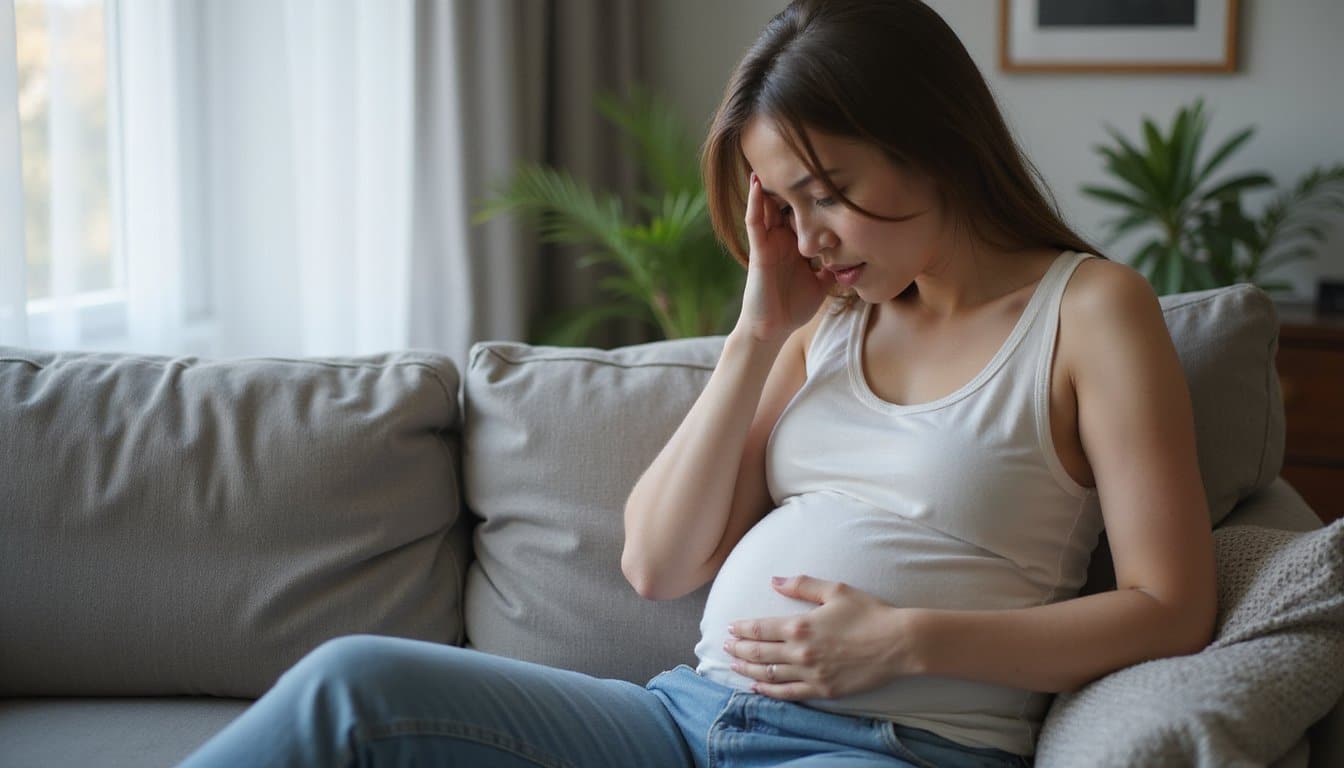
You might expect postpartum depression to appear immediately after delivery, but research shows symptoms most commonly emerge around week 14 postpartum. This timeline means you could feel fine during those early weeks, only to notice persistent sadness, exhaustion, or difficulty bonding as your baby approaches the 3-4 month mark. It’s also important to know that onset timing varies across racial and ethnic groups, reflecting differences in access to support, healthcare, and socioeconomic stressors. Research estimates that 1 in 7 women experiences perinatal depression, highlighting how widespread this condition truly is. New fathers can also experience postpartum depression, with symptoms including sadness, tiredness, and changes in eating or sleeping patterns.
Average Onset Timeline
While many people expect postpartum depression to strike immediately after delivery, clinical data show a different pattern, symptoms typically emerge around 14 weeks postpartum, or roughly 3½ months after childbirth. While many people expect postpartum depression to strike immediately after delivery, clinical data show a different pattern, symptoms typically emerge around 14 weeks postpartum, or roughly 3½ months after childbirth. This delayed onset often affects how the condition is recognized and treated, and it also shapes expectations around the duration of postpartum depression recovery, which can vary significantly depending on early detection, severity of symptoms, access to treatment, and individual biological and psychosocial factors.
| Timeline | Condition | Resolution |
|---|---|---|
| Days 1-14 | Baby blues | Self-resolves |
| Weeks 4-16 | PPD common onset | Requires treatment |
| Up to 12 months | Late PPD onset | Requires treatment |
Public health epidemiology from the CDC and WHO confirms this timeline across diverse populations. You should understand that symptoms often develop gradually over weeks rather than appearing suddenly. This distinction matters because you might dismiss emerging depression if you’re past the early postpartum period. PPD can begin anytime within your baby’s first year, making ongoing self-monitoring essential for your mental health. Research has identified five distinct subtypes of perinatal depression, with anxious subtypes predominating during the postpartum period and onset within the first 8 weeks postpartum associated with higher rates of severe depression.
Racial Differences Exist
Racial and ethnic disparities markedly shape who receives a postpartum depression diagnosis and who doesn’t. When examining how many women suffer from postpartum depression, data reveals substantial variation: 22% of American Indian/Alaska Native parents report symptoms compared to 11% of White parents. Black women experience up to three times higher prevalence than their non-Hispanic White peers.
Despite these elevated rates, racial/ethnic disparities in PPD diagnosis and detection persist. Only 25.4% of symptomatic individuals receive a formal diagnosis overall. If you’re Asian, Hispanic, or Middle Eastern, you’re considerably less likely to receive that diagnosis than White counterparts, even with similar symptom burden. Asian and Pacific Islander individuals often receive diagnoses only after clinicians initiate mental health conversations, highlighting how systemic barriers rather than symptom absence drive these gaps. Research among Medicaid recipients found that only 4% of Black women initiated postpartum mental health care compared to 9% of white women, demonstrating how these disparities extend into treatment access. Contributing to this gap, screening tools like the Edinburgh Postnatal Depression Scale may be less effective for B/AA women since they were primarily developed with non-Hispanic White women in clinical trials.
PPD Rates Around the World
Postpartum depression affects approximately 6.5% to 20% of individuals worldwide, making it one of the most common complications following childbirth. Understanding how many women get postpartum depression helps contextualize this condition as a significant public health concern rather than an isolated experience.
Rates vary considerably by region. In the United States, about 1 in 8 mothers experience PPD, while Canada reports approximately 1 in 6. Australia sees rates up to 1 in 5 mothers affected. Low- and middle-income countries typically report higher prevalence, around 19.8%, due to factors like limited healthcare access and increased stressors. Women facing poverty, migration, or extreme stress are particularly vulnerable to developing perinatal mental health conditions.
Country-specific data reveals notable differences: China’s perinatal depression prevalence reaches 21.4%, Japan’s sits at approximately 14%, and certain regions in Ghana have documented rates exceeding 50%.
PPD Rates by Race and Ethnicity

Beyond these global and regional patterns, PPD rates also differ greatly across racial and ethnic groups within the same country. Research shows American Indian/Alaska Native parents report the highest symptom rates at approximately 21.8%, while Black, non-Hispanic parents experience symptoms at 16, 18%. You should know that can men have postpartum depression applies across all racial groups, as fathers face similar disparities in recognition and care.
| Racial/Ethnic Group | PPD Symptom Rate | Lifetime Diagnosis Rate |
|---|---|---|
| American Indian/Alaska Native | 21.8% | Variable |
| Black, non-Hispanic | 16, 18% | Lower than White |
| Hispanic | 9.1, 13.8% | 34.2% |
These disparities reflect detection and access inequities rather than true differences in underlying illness. Only 25, 30% of symptomatic individuals receive formal diagnoses, with considerably lower rates among Asian, Hispanic, and Indigenous populations compared to White respondents.
Age, BMI, and Prior Episodes Raise PPD Risk
While demographic and social factors shape PPD risk across populations, individual characteristics like age, body mass index, and personal psychiatric history also play critical roles in determining who develops postpartum depression.
Your age, weight, and mental health history create a unique risk profile for postpartum depression.
Research shows age affects your risk in a U-shaped pattern:
- If you’re under 25 without prior depression, you face elevated first-onset PPD risk
- If you’re over 35, you’re more vulnerable due to physiological changes and obstetric complications
- If you have prior depressive episodes, your risk increases greatly regardless of age
Your BMI matters too. Studies show PPD screening positivity rises from 12.7% at normal weight to nearly 30% with severe obesity. This dose-response relationship persists after controlling for other variables. The University of Utah study examining 1,282 women with singleton births found a dramatic increase in risk specifically for women with BMI greater than 35. Understanding these factors helps identify paternal postpartum depression risks as well, since similar patterns emerge across caregiving roles.
Up to Half of PPD Cases Go Undiagnosed
Despite affecting roughly 1 in 7 postpartum patients, PPD remains strikingly underdetected, research estimates that up to 50% of cases go undiagnosed. This gap stems from multiple factors: stigma surrounding parental mental health discourages disclosure, time-constrained appointments prioritize infant care over maternal wellbeing, and routine screening implementation remains inconsistent across healthcare settings.
When you compare screening rates, the disparity becomes stark, gestational diabetes screening approaches 99%, while depression screening lags noticeably behind. Even when screening occurs, follow-through to diagnostic assessment and treatment referral often falls short.
The consequences are serious. Undiagnosed PPD can persist beyond the typical recovery window, increasing your risk for chronic depression. It affects daily functioning, disrupts parent-infant bonding, and contributes to developmental difficulties in children. Recognizing these gaps is essential for improving detection and outcomes.
PPD Diagnosis Rates Have Doubled Since 2010
The terrain of PPD detection has shifted dramatically over the past decade, offering a counterpoint to persistently high rates of underdiagnosis. Research from Kaiser Permanente Southern California, analyzing 442,308 births, shows PPD diagnosis rates doubled from 9.4% in 2010 to 19.0% in 2021.
This increase spans all demographic groups, though some communities experienced more pronounced rises:
- Asian and Pacific Islander individuals saw a 3.8-fold increase (3.6% to 13.8%)
- Non-Hispanic Black individuals experienced rates climbing from 9.2% to 22.0%
- Hispanic individuals showed diagnoses rising from 8.9% to 18.8%
You should understand these numbers reflect both genuine increases and improved screening practices. Enhanced awareness, evolving clinical guidelines, and better detection methods have helped identify cases that previously went unrecognized during your postpartum period.
Frequently Asked Questions
Can Fathers and Non-Birthing Partners Also Develop Postpartum Depression?
Yes, you can develop postpartum depression even if you didn’t give birth. Research shows about 10% of new fathers experience PPD, with rates climbing to 24, 50% when their partner is also depressed. Non-birthing partners of any gender, including adoptive parents and those in same-sex couples, face similar risks. Your symptoms might look different, often appearing as irritability, withdrawal, or physical complaints rather than sadness. Screening and support matter for all parents.
How Long Does Postpartum Depression Typically Last Without Treatment?
Without treatment, postpartum depression typically lasts 3 to 6 months or longer, though your experience may vary considerably. Research shows about 25% of people with perinatal depression still have symptoms at 3 years postpartum, and some studies document symptoms persisting up to 21 years. If you’re experiencing symptoms beyond two weeks after delivery, you shouldn’t wait, early intervention can prevent the condition from becoming chronic and protect your wellbeing.
What Is Postpartum Psychosis and How Common Is It?
Postpartum psychosis is a rare but serious psychiatric emergency that occurs in about 1, 2 per 1,000 births. You’ll typically notice rapid onset within the first two weeks after delivery, with symptoms including delusions, hallucinations, severe mood swings, and confusion. It’s considered a medical emergency because it carries significant risks of suicide and infanticide. If you experience these symptoms, you need immediate psychiatric evaluation and treatment.
Can Postpartum Anxiety Occur Alongside or Instead of Postpartum Depression?
Yes, postpartum anxiety can occur alongside or instead of postpartum depression. Up to 17% of postpartum women experience anxiety, often overlapping with depressive symptoms. However, you may have significant anxiety, excessive worry, racing thoughts, and physical tension, without meeting criteria for depression. When both conditions co-occur, you’re likely to experience more severe impairment. That’s why thorough screening should assess both anxiety and depressive symptoms during your postpartum care.
Is Postpartum Depression Linked to Suicide Risk in New Parents?
Yes, postpartum depression is linked to elevated suicide risk. Research shows you’re approximately three times more likely to experience suicidal behavior if you have postpartum depression compared to those without it. This risk peaks during the first year after diagnosis but can persist for years. Suicide remains a leading cause of maternal death in the postpartum period. If you’re experiencing thoughts of self-harm, seek immediate professional support.