
Your typical day in residential treatment follows a structured rhythm that supports your recovery. You’ll start with breakfast, medication, and a morning check-in to set your intentions. From there, you’ll move through individual and group therapy, skills training, and creative sessions like art or music. Afternoons include physical activities and recreation, while evenings offer support groups and wind-down time. Each piece plays an important role, and there’s more to discover about how it all fits together.
How a Day in Residential Treatment Begins

Because the first day sets the tone for everything that follows, residential treatment begins with care rather than pressure. You’ll complete paperwork, review basic facility rules, and receive a guided tour that orients you to the grounds and living areas. Staff may help you unpack, and you’ll meet your primary treatment professional while connecting with the recovery community of peers and staff. The first few days in treatment are crucial for adjustment. Individuals often feel a mix of emotions, from anxiety to hope, as they begin their journey toward recovery.
Once you’ve settled in, your daily schedule takes shape. Mornings often start with meditation or another mindfulness practice, encouraging a steady morning mindset and goal setting before intensive work begins. From there, you’ll move into individual and group therapy, plus psychoeducation covering coping skills and relapse prevention. This early structure builds stability and focus, making recovery your day’s central focus.
Breakfast, Medication, and Morning Check-Ins
After your personal morning routine, you’ll head to a shared dining area for breakfast served at a consistent early time. This nutritious meal supports your physical recovery and mental clarity while reinforcing community and peer connection.
| Morning Element | Who Supports It | Purpose |
|---|---|---|
| Breakfast | Peers and staff | Nutrition and stability |
| Medication | Clinical or nursing staff | Prescribed treatment support |
| Health check | Nursing personnel | Brief wellness assessment |
| Morning check-ins | Program staff | Goal-setting and announcements |
| Reflection | You | Grounding before therapy |
After breakfast, qualified clinical staff handle medication administration, including medication-assisted treatment when it’s clinically indicated. Then you’ll join morning check-ins, a brief community meeting where staff review the day’s schedule, share reminders, and assess how you’re doing emotionally and physically. These community meetings also give you the chance to set intentions for the day ahead alongside your peers.
What Individual Therapy Looks Like in Treatment

You’ll usually meet with your therapist daily or several times a week, woven into the broader rhythm of your day. These one-on-one sessions give you a confidential space to work through personal concerns, whether that’s substance use, trauma, mood symptoms, or the behavior patterns keeping you stuck. Together, you and your therapist focus on identifying root causes and building a treatment plan that fits your specific needs. Your therapist may draw on evidence-based approaches like cognitive-behavioral therapy, EMDR, and trauma-informed therapy to help reframe negative thought patterns and address trauma-related challenges.
When Therapy Happens
Once you’ve settled into the daily rhythm, you’ll find that individual therapy anchors much of your week. In a typical day in treatment, you’ll usually meet one-on-one with your therapist daily or several times per week, with each session running about 50 to 60 minutes. These appointments fit within a structured schedule that also weaves in meals, group work, wellness activities, and reflection time, creating the consistency and stability that support your recovery.
Your therapy times are coordinated with a multidisciplinary treatment team that offers around-the-clock support, so you’re never managing the day alone. This steady rhythm isn’t accidental, it’s designed to give you predictable touchpoints for processing thoughts, emotions, and behaviors. Knowing when individual therapy happens helps you settle in and focus on healing.
Core Treatment Focus
Before your first session begins, your therapist starts with an initial assessment that gathers your health history, current and past symptoms, and personal goals. From those findings, your team builds a personalized treatment plan that matches your clinical needs and recovery goals. Within the residential routine, your individual sessions target trauma history, addiction triggers, thought patterns, and behaviors using approaches like CBT, motivational interviewing, and person-centered care.
Each day in the life centers on what matters most for your recovery: emotional regulation, coping skills, relapse prevention, and healthier communication. Your therapist paces sessions so progress feels manageable, not overwhelming, and reviews your goals as your needs change.
At Villa Healing Center, this focused, collaborative work helps you explore the deeper drivers behind your symptoms safely.
Group Therapy and Peer Support Sessions
Because group therapy anchors so much of the residential day, you’ll likely encounter it more than once between breakfast and evening. Late-morning sessions arrive when your attention’s highest, and afternoon or evening groups often follow lunch or function as 12-step meetings.
You’ll move through different formats: psychoeducation groups covering substance use, emotional regulation, and communication; process groups exploring thoughts and interpersonal patterns; and relapse-prevention groups teaching coping strategies. Some programs add experiential options like art, music, or yoga. Medication management for psychiatry is crucial in ensuring patients receive the correct dosages of prescribed medications while monitoring their effects. This approach often involves collaboration between psychiatrists, therapists, and patients to adjust treatment plans as needed.
Licensed therapists lead these structured sessions, guiding discussion and recovery-focused exercises. You’re generally expected to participate, but you won’t be forced to share personal details before you’re ready. As you connect with peers facing similar challenges, isolation eases and you’ll practice real-world communication in a supervised, supportive environment.
Skills Training and Educational Workshops
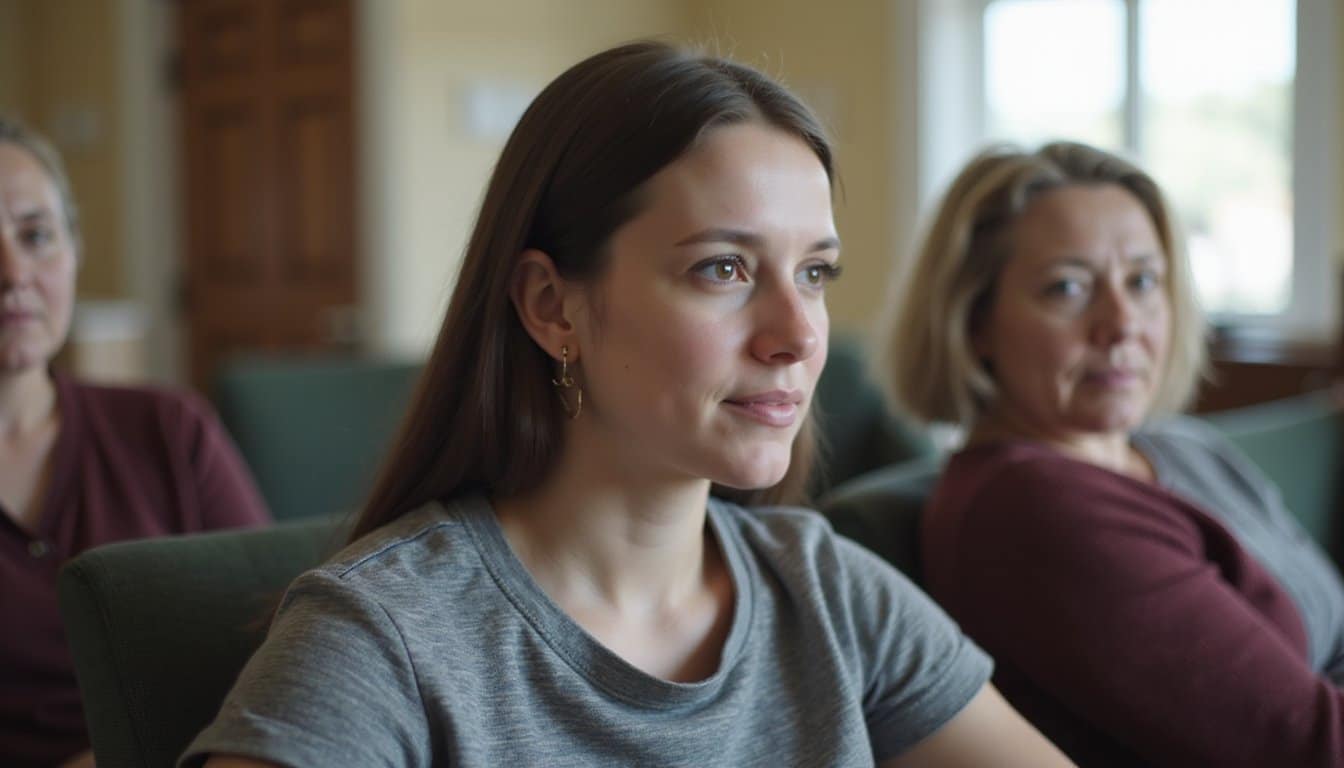
While group work builds your emotional foundation, skills training and educational workshops give you the practical tools you’ll rely on after discharge. These sessions cover daily living skills like communication, self-care, and social skills, alongside hands-on practice with budgeting, cooking, and household management. You’ll learn financial literacy through expense tracking, banking, and debt management, starting with basic budgeting before tackling complex planning. Meal-prep classes teach you balanced meals, smart shopping, and confident cooking. Self-care instruction reinforces sleep hygiene, stress reduction, and mindfulness as part of a stable routine. If you’re rebuilding your career, you might access job-readiness support like resume writing, interview preparation, and vocational assessment. Some programs even offer on-site educational services, including Adult Basic Education. Together, these workshops prepare you for independent living and lasting recovery.
Afternoon Exercise and Recreation in Treatment
After a morning of focused therapeutic work, your afternoons open up to movement and recreation that’s built into the daily schedule. You’ll find a range of physical activity options, from yoga and walking paths to group sports, strength training, and open gym time. Alongside these, therapeutic recreation choices like art, music, and outdoor activities give you space to reconnect with yourself and others while supporting your recovery.
Physical Activity Options
Once formal therapy blocks wrap up, most programs shift into afternoon movement, and you’ll find it scheduled or semi-scheduled rather than left entirely to chance. You’ll likely choose from a range of options designed to fit your energy and comfort level, whether you prefer structured classes or open recreation time. Many centers offer on-site equipment alongside guided sessions, so you’re supported however you move.
Here’s what you can typically expect:
- Cardio and aerobic exercise, including walking and fitness classes
- Strength training, with free weights, circuit machines, and weight lifting
- Mobility and wellness work, such as yoga, stretching, and meditation
- Recreation, ranging from unstructured free time to staff-supported fitness therapy
These choices help you build stamina, manage stress, and reconnect with healthy routines.
Therapeutic Recreation Choices
Beyond formal exercise, you’ll find a couple of hours set aside each afternoon for therapeutic recreation, and it’s far more intentional than idle downtime. You might play billiards, ping-pong, basketball, soccer, or volleyball, and some centers offer larger amenities like a pool, sauna, or spa. These choices keep you socially engaged with peers in a sober setting.
| Recreation Type | What It Builds |
|---|---|
| Team sports | Cooperation, peer support |
| Arts and crafts | Emotional regulation, mindfulness |
| Music activities | Non-substance-related expression |
| Trust exercises | Confidence, social skills |
| Yoga, meditation | Stress reduction, relaxation |
Structured leisure reduces boredom, a commonly cited relapse trigger, while helping you practice sober versions of past habits. Through goal-setting, problem-solving, and connection, you’ll strengthen self-esteem, independence, and the bonds that support lasting recovery.
Art, Music, and Other Creative Therapies
When words feel like too much, creative therapies give you another way to express what you’re carrying. A therapist guides structured art and music work, tailored to your needs rather than left as unstructured recreation. You might draw, paint, or sculpt; you might listen, sing, write songs, or explore guided imagery. These sessions help you release difficult emotions, build self-awareness, and ease anxiety and stress.
Here’s what creative therapies can offer you:
- Non-verbal expression of anger, grief, sadness, and trauma
- Lower anxiety and stress through art and music
- Peer connection built through group creative work
- Stronger self-esteem from making and sharing your work
Whether you work alone or in a group, you’ll practice coping and communicating differently.
Free Time and Quiet Reflection
After structured therapy, you’ll find planned blocks of free time built into your day, and they’re there to help you decompress and reset. You might spend this time journaling or reflecting on insights from your sessions, resting quietly to ease decision fatigue, or settling into your personal space with low-key activities like reading or stretching. This isn’t empty time; it’s a deliberate part of your recovery that supports emotional regulation, steady routines, and better sleep.
Journaling and Reflection
During quiet moments in your day, journaling gives you a private space to slow down and process what you’re feeling. It’s a therapeutic practice where you write down thoughts, emotions, and experiences, helping you identify triggers, coping responses, and treatment goals. You don’t have to stick to words, either, drawing, coloring, or collage work just as well when language feels limiting.
Try keeping a regular habit at a set time, writing freely without editing yourself. To get started, consider these prompts:
- What did you feel today, and what triggered it?
- What went well, and what felt difficult?
- What are you grateful for right now?
- What would you tell your future self?
Your entries stay private unless you choose to share them with your counselor.
Quiet Rest Time
Because intensive therapy can leave you mentally and emotionally drained, your daily schedule builds in quiet rest time to help you recharge. You’ll usually find this block after lunch or following afternoon therapy sessions, with another quiet period in the evening before lights out. These lower-intensity stretches reduce overstimulation and give you space to decompress after demanding group or individual work.
During this time, you can read, nap, meditate, or simply rest in your room. You might reflect on what you covered earlier, reinforcing the coping skills you’re learning. Some programs allow quiet peer interaction, while others emphasize stillness and reduced activity.
This downtime isn’t unstructured chaos, it’s a supervised, intentional part of your day that steadies your pace, supports emotional regulation, and promotes healthier sleep routines.
Personal Space Activities
Although free time might sound like an open-ended break, it’s actually a structured part of your day designed to support recovery. You’ll often start your morning with personal space routines that build independence and steady habits. Tending to your room and hygiene creates predictability, reduces overwhelm, and reinforces daily living skills you’ll carry into life after treatment.
Early in your day, before breakfast, you’ll typically focus on:
- Showering and getting dressed to start your morning grounded and ready.
- Making your bed as a simple, stabilizing first accomplishment.
- Tidying your personal space to maintain order and calm.
- Organizing your belongings to ease overwhelm and build responsibility.
These small, consistent routines anchor your day and strengthen the self-management skills essential to lasting recovery.
Evening Support Groups and Wind-Down
When daytime sessions wrap up, the evening doesn’t simply empty out, it shifts into a quieter, but still supportive, rhythm. You’ll often join an evening support group that keeps structure going into the night, sometimes meeting five days a week to maintain consistency. These groups reduce isolation and shame, letting you share experiences in a safe, guided setting. You might work through relapse prevention, trigger identification, stress management, or psychoeducational lessons connecting recovery skills to lived experience. Formats vary, from clinical groups to peer coaching or 12-step models like AA and NA.
As the evening winds down, you’ll move toward calmer activities that support sleep. Quiet reflection helps you process the day’s work, and consistent wind-down patterns reinforce the structure that steadies your recovery.
How Long Does Residential Treatment Last?
If you’re wondering how long you’ll stay, the honest answer is that residential treatment lasts as long as you need it to, commonly 30 to 90 days for many mental health and behavioral health programs. Your length of stay isn’t fixed; it’s shaped by your symptoms, progress, and clinical needs. Preparing for a residential stay involves understanding what to expect during your time in treatment. It’s important to gather any personal items and documents required for your stay.
Several factors influence your timeline:
- Severity of symptoms, more complex cases typically require longer care.
- Progress in therapy, your response and coping-skill development can shorten or extend your stay.
- Co-occurring disorders, combined mental health and substance use often increases length of care.
- Treatment goals, stabilization-focused programs tend to run shorter than those targeting long-term change.
Your treatment team reviews progress regularly, adjusting your plan and guiding readiness for step-down care.
Take the First Step Toward Lasting Wellness
Starting residential treatment can feel uncertain, but knowing what to expect makes the path forward far less overwhelming. At Villa Healing Center in Los Angeles County, our experienced team provides trusted Residential Treatment with care, compassion, and a personalized approach. Call (888) 669-0661 today and take the first step toward healing.
Frequently Asked Questions
Can Family Members Visit During Residential Treatment?
Yes, family members can usually visit during residential treatment, though you’ll need to follow the program’s schedule. Visits are often arranged in advance and built around therapy, meals, and programming to protect your daily routine. Some facilities offer family therapy as a structured part of treatment, while others may limit or supervise contact during early stabilization. You’ll also find phone calls and virtual visits available when in-person visits aren’t possible.
Are Cell Phones and Personal Electronics Allowed?
It depends on the facility. Some programs don’t allow cell phones or electronics at all, especially in higher-intensity settings, while others permit limited access during designated free-time blocks. When devices are allowed, you’ll typically use them outside of therapy hours, since recovery stays the main focus. Limiting access helps protect your stability, routine, and peace from outside stressors. You’ll usually be asked to leave prohibited electronics at home and pack only approved items.
What Should I Pack for Residential Treatment?
Pack comfortable clothing for several days, including weather-appropriate layers, sleepwear, and supportive shoes. Bring approved toiletries in facility-allowed sizes, your prescribed medications in original containers with a current list, and personal identification or insurance cards. You’ll want a journal, approved reading material, and a small comfort item if permitted. Leave valuables, sharp objects, and fragranced products at home. Pack light, since residential living offers limited storage. Always review your program’s specific rules first.
Is Residential Treatment Covered by Insurance?
Often, yes, but it depends on your plan. Residential treatment is frequently covered when it’s deemed medically necessary and built into your benefits. Your coverage hinges on factors like network status, diagnosis, and documentation, and most insurers require preauthorization plus proof that less intensive care wasn’t enough. Out-of-network programs can cost you more. Before you commit, verify your benefits, in-network status, and length-of-stay rules. Villa Healing Center can help you check coverage.
Can I Leave the Facility During My Stay?
If you’re in voluntary treatment, you can typically leave at any time, since facilities generally can’t hold adults against their will. That said, leaving early, against medical advice, can raise your risk of relapse and interrupt your progress. Residential care is a 24-hour program, so you’ll usually stay on-site, though some programs allow passes or outings based on your progress. Always talk with your treatment team before making any decision. Court-ordered treatment carries legal exceptions.