
We’re here 24/7 to listen and help.
Residential mental health treatment for adults with self-harm behavior and the conditions that drive it, with 24-hour clinical staffing and DBT-led care.
Self-harm treatment at Villa Healing Center is a residential mental health program for adults whose self-harm behavior needs daily clinical support and integrated treatment of the underlying mental health condition. Care is built around Dialectical Behavior Therapy, the strongest evidence base for chronic self-harm, with 24-hour clinical monitoring and safety planning. We accept major commercial insurance.
Self-harm, also called non-suicidal self-injury (NSSI), is the deliberate injuring of one’s own body without suicidal intent. The DSM-5 lists Non-Suicidal Self-Injury Disorder in Section III as a proposed condition for further study, recognizing it as a distinct clinical pattern that often appears alongside other mental health conditions but functions on its own logic. Self-harm is most often used as a way to regulate intense emotional pain, dissociation, or numbness, and it can become a repetitive pattern that requires structured clinical treatment to change.
Self-harm and suicide are different clinical events that sometimes overlap. A person who self-harms is not necessarily attempting suicide, and most self-harm episodes are not suicide attempts. Self-harm does, however, raise the risk of future suicide attempts, and treatment plans address both safety and the underlying drivers. Clinical literature consistently documents heightened co-occurrence between self-harm and borderline personality disorder, major depressive disorder, post-traumatic stress disorder, anxiety disorders, eating disorders, and substance use disorders.
Self-harm is cared for across different settings, and the right setting is set by clinical severity, frequency of self-harm, wound severity, and the presence of co-occurring conditions.
Dimension | Continued Therapy | Residential Mental Health | Emergency Department |
Time commitment | Weekly individual therapy plus medication management | Full-time, 24 hours per day onsite | Same-day evaluation |
Best fit | Infrequent self-harm with stable home support and continued care in progress | Frequent, escalating, or chronic self-harm; co-occurring conditions; home environment cannot support stabilization | Active medical emergency or wound needing immediate care |
Clinical focus | Skills-building, ongoing therapy, medication management | Daily DBT, safety planning, individual and group therapy, medication management, integrated treatment of co-occurring conditions | Medical wound care and triage |
Length of stay | Ongoing | Set by clinical recommendation | Hours; transfer to higher level of care if indicated |
Where Villa Healing fits | Available as step-down | Primary level of care at Villa Healing Center | Not provided; for medical emergencies, call 911 |
For chronic or escalating self-harm with co-occurring depression, trauma, borderline personality disorder, or substance use, a residential setting holds DBT, safety planning, and treatment of the underlying condition in one place. The Villa Healing Center operates at the residential level. If a wound needs medical attention right now, an emergency department or 911 is the right next step, and 988 is available 24 hours a day for confidential crisis support.
Our self-harm treatment program at Villa Healing Center combines Dialectical Behavior Therapy, psychiatric medication management, safety planning, additional evidence-based psychotherapy, integrative wellness programming, and 24-hour clinical staffing, organized around one written treatment plan per person.
Treatment begins with a clinical assessment by a licensed therapist after admission. The assessment establishes the pattern and frequency of self-harm, the emotional and situational drivers, the underlying mental health or substance use conditions, and the right level of care. Your treatment team then builds a safety plan and a clinical plan covering both the self-harm and any co-occurring condition. Both plans are reviewed and updated throughout the stay as your clinical picture changes.
A typical week in residential includes individual DBT sessions, DBT skills groups, additional group therapy, family therapy on a scheduled basis when clinically appropriate, psychiatric medication management visits, and integrative wellness programming. Behavioral health staff are onsite 24 hours a day.
Underlying conditions that often drive self-harm are treated alongside the behavior itself. Clinical literature consistently identifies borderline personality disorder, major depressive disorder, post-traumatic stress disorder, anxiety disorders, eating disorders, and substance use disorders as common co-occurring conditions, and our integrated treatment plan addresses the behavior and the underlying condition together rather than treating only one.
Our self-harm treatment uses approaches with established evidence specifically for adults who self-harm: Dialectical Behavior Therapy, the Safety Planning Intervention, Cognitive Behavioral Therapy, trauma-focused therapy when relevant, and psychiatric medication management for the underlying conditions.
Dialectical Behavior Therapy (DBT), developed by Marsha Linehan, has the strongest evidence base of any psychotherapy for adults with chronic self-harm behavior, suicidal ideation, or co-occurring borderline personality disorder. DBT was originally built specifically for this population. The full DBT model combines weekly individual therapy, weekly DBT skills groups, between-session phone coaching, and a therapist consultation team. DBT teaches four skill sets that apply directly to managing self-harm urges: distress tolerance, emotional regulation, interpersonal effectiveness, and mindfulness.
The Safety Planning Intervention, developed by Barbara Stanley and Gregory Brown, is a brief structured intervention that builds a written safety plan with warning signs, internal coping strategies, social contacts for distraction and support, professional resources, and steps for making the environment safer. Safety planning is a core component of every admission and is updated throughout the stay. Crisis intervention techniques for families play a crucial role in addressing immediate concerns and fostering healthier dynamics.
Cognitive Behavioral Therapy (CBT) is integrated when the clinical picture includes anxiety, depression, or trauma patterns that respond to cognitive restructuring. CBT works on the patterns of thinking and behavior that maintain self-harm urges.
Trauma-focused therapy is included when trauma is part of the clinical picture. Eye Movement Desensitization and Reprocessing (EMDR) is recommended for trauma-related symptoms by the American Psychological Association and the World Health Organization.
Psychiatric medication management is part of the clinical program and is provided by a psychiatric prescriber. There is no FDA-approved medication that directly treats self-harm behavior. Medication is matched to the underlying condition that drives the behavior, with selective serotonin reuptake inhibitors and serotonin-norepinephrine reuptake inhibitors used for major depressive disorder, mood stabilizers for relevant mood presentations, and other agents as clinically indicated.
Self-harm rarely occurs in isolation. Clinical literature consistently documents heightened co-occurrence with borderline personality disorder, major depressive disorder, post-traumatic stress disorder, anxiety disorders, eating disorders, and substance use disorders, as well as elevated risk of future suicidal ideation. Our residential program treats self-harm alongside each of these conditions under one integrated plan.
Each co-occurring condition has a dedicated clinical page:
Not sure if your situation fits our program? Call (888) 669-0661 to talk with admissions.
Villa Healing Center accepts most major commercial insurance for self-harm treatment in Woodland Hills, including residential admissions. Most commercial plans cover residential mental health care with prior authorization, and continued-stay reviews are conducted based on medical necessity. Out-of-pocket cost depends on your plan deductible and coinsurance.
If your plan is out-of-network, we work with you on out-of-network reimbursement, single-case agreements, and self-pay options. Call (888) 669-0661 to discuss options.
Villa Healing Center’s facility is located at 23033 Ostronic Drive, Woodland Hills, California 91367, in the San Fernando Valley of Los Angeles County.
Adults across the San Fernando Valley searching for self-harm treatment often face limited residential options that combine DBT with treatment of the underlying mental health condition in one setting. Many providers refer adults with frequent or escalating self-harm to a higher level of care because daily DBT and 24-hour clinical support are typically needed for stabilization.
Our residence sits in Woodland Hills, accessible from the 101 and 405 Freeways. We serve adults from across the San Fernando Valley and coordinate admissions from across California. Adults from across Los Angeles County, Ventura County, Orange County, and the broader Southern California region travel to our Woodland Hills facility for residential care.
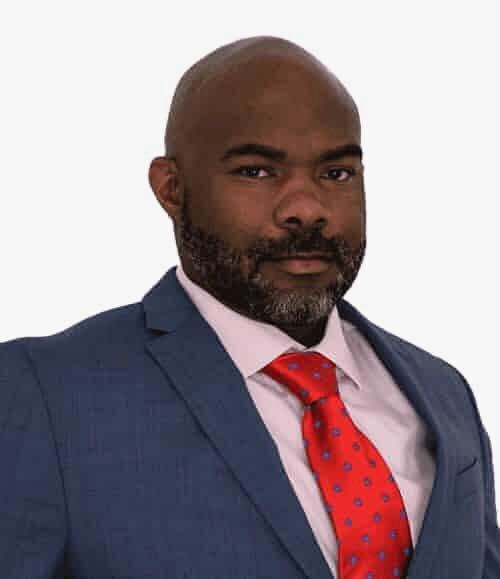
Medical Director
Medical Director
Clinically reviewed by Dr. Courtney Scott, MD, Medical Director at Villa Healing Center. Board eligibility: Emergency Medicine, Internal Medicine, Addiction Medicine.
Villa Healing Center admissions are open 24/7. Call (888) 669-0661 to speak with a clinical intake coordinator, or verify benefits to start the conversation about whether self-harm recovery with integrative wellness is right for your situation.
For those ready to adopt a more complete approach to mental health and wellness, Villa Healing Center provides expert guidance and compassionate care. Contact us today to begin your journey toward balanced, sustainable well-being.