Shorter winter days cut your daylight exposure, and that can throw off your internal clock. Less light may lower serotonin, shift melatonin, and reduce vitamin D, which can leave you feeling low, tired, and craving carbs. When this pattern returns each late fall and eases by spring, it’s often seasonal affective disorder (SAD). You’re not imagining it, and it’s treatable. Learning what drives your symptoms helps you spot warning signs and know when to seek help.
Key Takeaways
- Winter depression often stems from seasonal affective disorder (SAD), triggered by reduced daylight in late fall and winter.
- Less daylight can disrupt your circadian clock, shifting sleep-wake timing and affecting mood regulation.
- Shorter days may lower serotonin activity and increase melatonin, contributing to low mood, fatigue, and oversleeping.
- Limited sunlight can reduce vitamin D levels, which may further weaken serotonin activity and mood stability.
- Risk is higher for women, younger adults, people farther from the equator, and those with family history of depression.
Why do I get depressed in the winter

Many people get depressed in winter because reduced daylight likely plays a role in seasonal affective disorder (SAD), though researchers don’t fully understand it. If your mood sinks as the days get shorter, you’re not alone.
Less winter light may disrupt your circadian clock, which times sleep and alertness. Shorter days may affect the brain processes that maintain serotonin, a chemical linked to mood, and alter melatonin, which helps regulate sleep. For some people, low vitamin D from limited sunlight may contribute.
Winter depression usually starts in late fall or early winter and eases by spring. Because seasonal timing alone doesn’t confirm a diagnosis, a health professional can assess your symptoms and rule out other causes.
How does less daylight change brain chemistry
Less daylight can disrupt three linked systems in your brain: your circadian clock, serotonin, and melatonin. Researchers are still working out exactly how shorter days affect your brain, but disruption to these systems may explain your depression during winter.
| System | What Less Daylight May Do |
|---|---|
| Circadian clock | Shifts your internal timing, contributing to low mood |
| Serotonin | Disrupts processes that maintain this mood-regulating chemical |
| Melatonin | Alters levels that help regulate your sleep and mood |
| Vitamin D | Drops with limited sunlight, possibly weakening serotonin activity |
| Latitude | Shorter days farther from the equator raise risk |
These changes don’t act alone, and they don’t mean something’s wrong with you. They’re biological responses to seasonal darkness, which is why light-based treatments target them directly, often with real benefit.
What is seasonal affective disorder, in plain terms
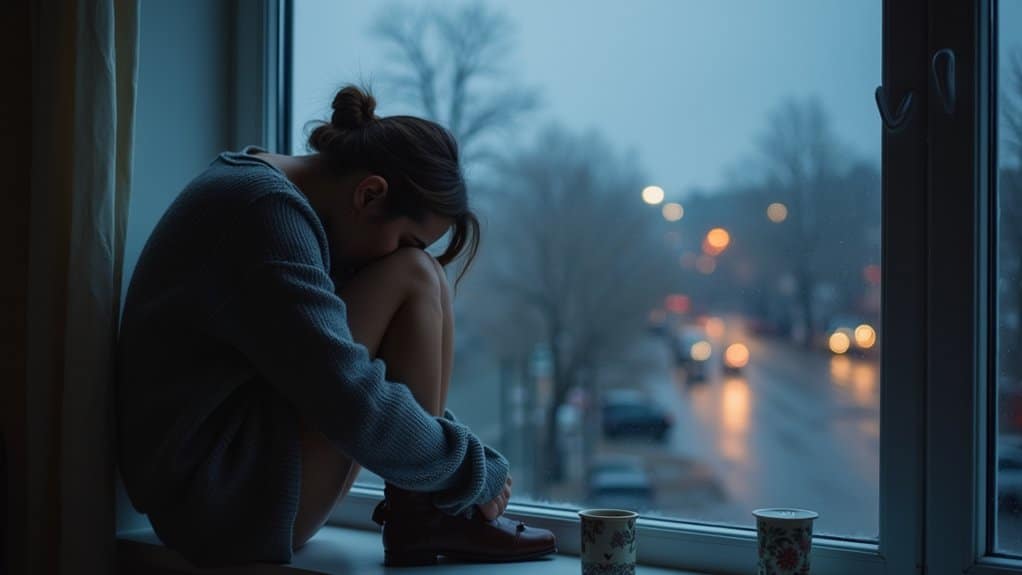
Seasonal affective disorder (SAD) is a type of depression that follows a recurring seasonal pattern. If you have the winter pattern, your symptoms typically start in late fall or early winter and ease in spring or summer, lasting about four to five months each year. That repetition is what separates SAD from an occasional low day. Common winter signs include:
- Persistent low mood or loss of interest
- Fatigue and oversleeping
- Increased appetite, carbohydrate cravings, and weight gain
- Withdrawing socially or wanting to “hibernate”
Seasonal timing alone doesn’t confirm a diagnosis, since fatigue and low mood can have other causes. A health professional can assess your symptoms, especially if they’re disrupting your daily life. If you’re having thoughts of self-harm, seek urgent support right away.
Why does winter depression hit some people and not others
Winter depression hits some people and not others because of a combination of risk factors, including sex, age, family history, existing mood disorders, where you live, and individual sensitivity to reduced daylight, though experts still don’t fully understand the exact cause.
You’re more likely to experience SAD if you’re a woman or a younger adult. A family history of SAD or other depression may also increase your vulnerability. If you already live with major depression or bipolar disorder, your symptoms may worsen seasonally.
Women, younger adults, and those with a family history of depression or existing mood disorders face a higher risk of SAD.
Where you live matters, too. Risk rises at higher latitudes, where winter days are shorter. Some people may also be more sensitive to reduced daylight’s effects on circadian rhythms, serotonin, melatonin, and vitamin D.
Still, no single risk factor guarantees you’ll develop SAD, and having none doesn’t rule it out.
How do circadian rhythm and melatonin fit in
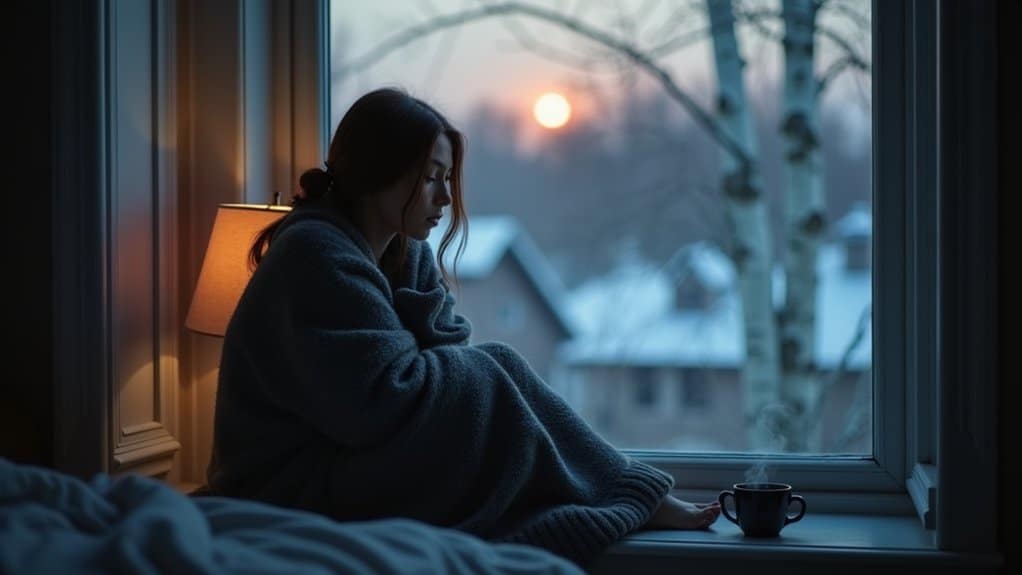
Circadian rhythm and melatonin are two of several connected changes that may contribute to SAD, since shorter winter days give your body’s internal clock less of the light it uses to stay on schedule. Researchers don’t fully understand SAD’s cause, but evidence points to these changes:
- Circadian disruption: Less daylight may throw off the timing of your sleep-wake cycle, contributing to low mood.
- Melatonin shifts: Seasonal changes can alter melatonin, a hormone that helps regulate your sleep and mood.
- Serotonin effects: Shorter days may affect brain processes that help you maintain serotonin levels.
- Vitamin D: Winter’s reduced sunlight can lower your vitamin D, which may support serotonin activity.
These changes may explain why you oversleep, feel drained, or crave carbohydrates. Seasonal timing alone doesn’t confirm SAD, so a health professional can help you identify what’s driving your symptoms.
Can you get depressed in summer instead of winter
Yes, you can get depressed in summer instead of winter. Clinicians define seasonal affective disorder (SAD) by a recurrent seasonal pattern, not by winter specifically. Most people with SAD notice symptoms in late fall or early winter, but a smaller group experiences a summer pattern, with symptoms starting in late spring or summer and easing in fall.
Summer-pattern symptoms often look different. Instead of oversleeping and craving carbohydrates, you might have trouble sleeping, a reduced appetite, weight loss, restlessness, or anxiety. Low mood, irritability, and loss of interest can also occur in either pattern.
What matters is consistency: symptoms that return in the same season year after year. If your mood dips every summer and affects your daily life, talk with a health professional. If you have thoughts of self-harm, seek urgent support right away.
When is winter low mood actually clinical depression
Winter low mood may be clinical depression when it follows specific patterns that clinicians look for. Your low mood may warrant clinical assessment if:
- It persists most of the day, nearly every day, for at least two weeks.
- It returns in the same season year after year, then eases.
- It interferes with your work, relationships, or daily routines.
- You’re experiencing hopelessness, worthlessness, or thoughts of self-harm.
Seasonal timing alone doesn’t confirm a diagnosis, and fatigue or low mood can have other causes, so a health professional should evaluate your symptoms. If you’re having thoughts of suicide or self-harm, seek urgent support now. Effective treatments, including light therapy, CBT, and antidepressants, are widely available.
Get Help Managing Winter Depression
If your mood drops every winter, persistent sadness, fatigue, and low motivation may be signs of seasonal depression. Villa Healing Center offers depression treatment to help you understand recurring mood changes, manage symptoms, and improve daily functioning. Verify your insurance to explore coverage options, or call (888) 669-0661 to discuss treatment.
Frequently Asked Questions
Does Light Therapy Actually Work, and How Do I Use a Light Box Safely?
Yes, light therapy can work. Clinical guidance lists bright light therapy as a first-line SAD treatment, and both light boxes and dawn simulation show evidence of benefit. You can use it alone or combine it with CBT or antidepressants. Before you start, talk with a clinician, especially if you’ve got an eye condition or take medicines that increase light sensitivity. If you’re having thoughts of self-harm, get urgent support right away.
Can Taking Vitamin D Supplements Help Prevent Winter Depression?
Vitamin D supplements might help if you’re low in vitamin D, but they aren’t an established way to prevent winter depression. Shorter winter days can lower your vitamin D levels, and vitamin D may support serotonin activity, so a deficiency could contribute for some people. Still, clinical guidance lists light therapy, CBT, and antidepressants as first-line options. You can ask your clinician to check your levels before you start supplementing.
Does Regular Exercise or Going Outside More Help With Seasonal Depression?
Yes, they can help you. Clinical guidance lists more natural light exposure and exercise among lifestyle interventions for SAD, and getting outside can offset some reduced winter daylight linked to circadian and serotonin changes. Still, they’re supports, not standalone treatment. First-line options are light therapy, CBT, and antidepressants. If your low mood persists most days for two weeks, or you’re having thoughts of self-harm, contact a health professional right away.
Can Cognitive Behavioral Therapy Help With Seasonal Affective Disorder?
Yes, cognitive behavioral therapy can help you manage seasonal affective disorder. Clinical guidance lists CBT as a first-line option alongside light therapy and antidepressants, and you can use it alone or in combination. If you’ve noticed low mood, fatigue, or withdrawal returning each winter, a health professional can assess your symptoms and help you choose the right approach. If you’re having thoughts of self-harm, please seek urgent support right away.
Should I Start Treatment Before Winter Symptoms Begin Each Year?
It’s worth talking with a health professional before fall arrives, since winter-pattern symptoms typically return in late fall or early winter and last about four to five months. Your clinician can review your seasonal history, confirm whether the pattern fits SAD, and help you plan options like light therapy, CBT, or antidepressants. Don’t start a light box without guidance if you have certain eye conditions or take light-sensitizing medicines.