
Yes, you can. Clinicians call it secondary traumatic stress; “vicarious PTSD” isn’t a formal diagnosis. Under DSM-5, learning that someone close faced actual or threatened death, serious injury, or sexual violence counts as trauma exposure. You might notice intrusive memories, nightmares, avoidance, numbness, or feeling constantly on edge. Studies find 33% to 37% of veterans’ spouses report these symptoms. Exposure alone doesn’t mean PTSD, though. Here’s how to recognize it and protect yourself and your relationship.
Key Takeaways
- Vicarious PTSD describes secondary traumatic stress, not a formal diagnosis, but it can develop through close relationships with trauma survivors.
- DSM-5 counts learning that a loved one experienced actual or threatened violent death, serious injury, or sexual violence as trauma exposure.
- Symptoms may include intrusive memories, nightmares, avoidance, guilt, numbness, irritability, poor sleep, and feeling constantly on edge.
- Partners and caregivers are most affected, with studies reporting secondary traumatic stress in 33% to 51% of participants.
- Exposure alone doesn’t establish PTSD; clinicians assess whether persistent symptoms meet all four required symptom domains.
Can you experience vicarious PTSD from a spouse or loved one
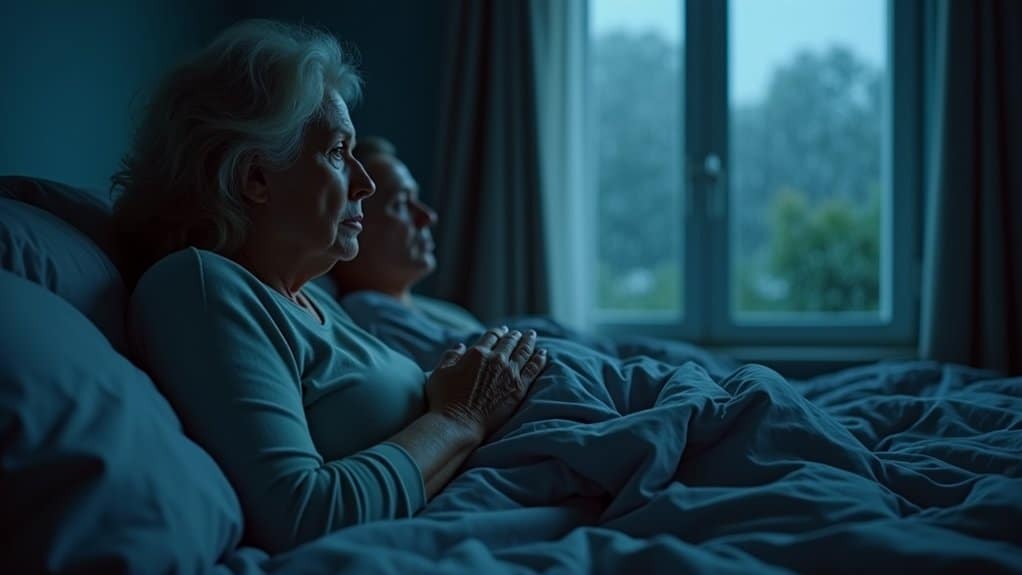
Yes, a loved one’s trauma can affect you through secondary traumatic stress, often called vicarious PTSD. Vicarious PTSD isn’t a formal diagnosis, but it describes secondary traumatic stress you may develop through trauma exposure through relationships. Under DSM-5 criteria, learning that a close family member or friend experienced actual or threatened death, serious injury, or sexual violence can count as trauma exposure. If your partner’s death was violent or accidental, that also qualifies. A natural-cause death doesn’t. Recognizing vicarious trauma warning signs is crucial for your mental health. Common indicators may include anxiety, intrusive thoughts, and emotional numbing.
Living with a spouse’s PTSD doesn’t automatically mean you have it. A vicarious PTSD spouse concern depends on your own exposure and symptoms, including intrusive memories, avoidance, negative mood changes, and heightened arousal. Studies report 33% and 37% of veterans’ spouses have secondary-traumatic-stress symptoms, so your reactions deserve attention and, if they persist, clinical assessment.
How does living with someone’s trauma affect you
Living with someone’s trauma can lead you to carry parts of it yourself, a response research calls secondary traumatic stress. Studies of veterans’ spouses found symptoms in 33% to 37% of participants. Some caregiver studies report rates up to 51%. You’re not alone if you feel this way.
| Symptom domain | What you might notice |
|---|---|
| Re-experiencing | Intrusive memories, nightmares, or distress at reminders |
| Avoidance | Steering clear of trauma-related thoughts, people, or places |
| Negative mood and thinking | Persistent guilt, numbness, or hopelessness |
| Arousal and reactivity | Irritability, poor sleep, or feeling constantly on edge |
These reactions don’t automatically mean you have PTSD. A diagnosis depends on your own qualifying exposure and symptom pattern. If symptoms persist and disrupt your daily life, a licensed mental-health professional can assess what you’re experiencing.
What does vicarious PTSD look like in a marriage or family
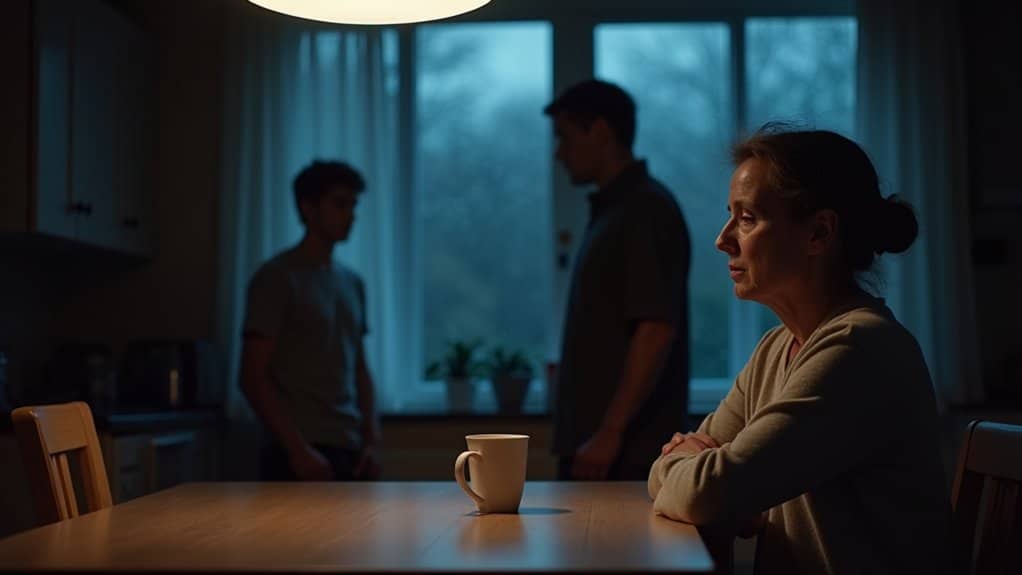
In a marriage or family, vicarious PTSD looks like a partner or relative’s trauma symptoms gradually shaping your own thoughts, routines, and sense of safety as you share daily life with them. You might replay details of what they endured, lose sleep, or feel your body tense when reminders surface. You may start avoiding conversations, places, or news that could upset them or you. Over time, you can feel on edge, irritable, numb, or hopeless about the future. Trauma vs compassion fatigue can both take an emotional toll, making it important to recognize how each affects daily life.
You’re not alone in experiencing these patterns. Studies of veterans’ spouses found secondary-traumatic-stress symptoms in 33% and 37% of participants, and a UK study found severe-range symptoms in 33.8% of health-care workers’ household members. Still, these scale scores don’t equal a PTSD diagnosis. A clinician must carefully evaluate your exposure and symptoms.
Why do partners and caregivers absorb it most
Partners and caregivers absorb it most because they share daily life with the person who experienced trauma, so they’re often the ones who hear the details, witness the symptoms, and adjust their routines around them.
That closeness concentrates exposure. Research reflects it: studies of veterans’ spouses found secondary-traumatic-stress symptoms in 33% and 37% of participants, and a study of caregivers in Iran reported estimates of 49% to 51%.
Household members of health-care workers show a similar pattern. In a UK study of 320, 33.8% scored in the severe range, and female partners of clinical staff reported higher levels than other household groups.
Keep in mind these figures describe specific samples and symptom scales, not PTSD diagnosis rates. Your distress isn’t weakness; it’s a recognized, documented response that’s worth evaluating.
How is this different from vicarious trauma at work
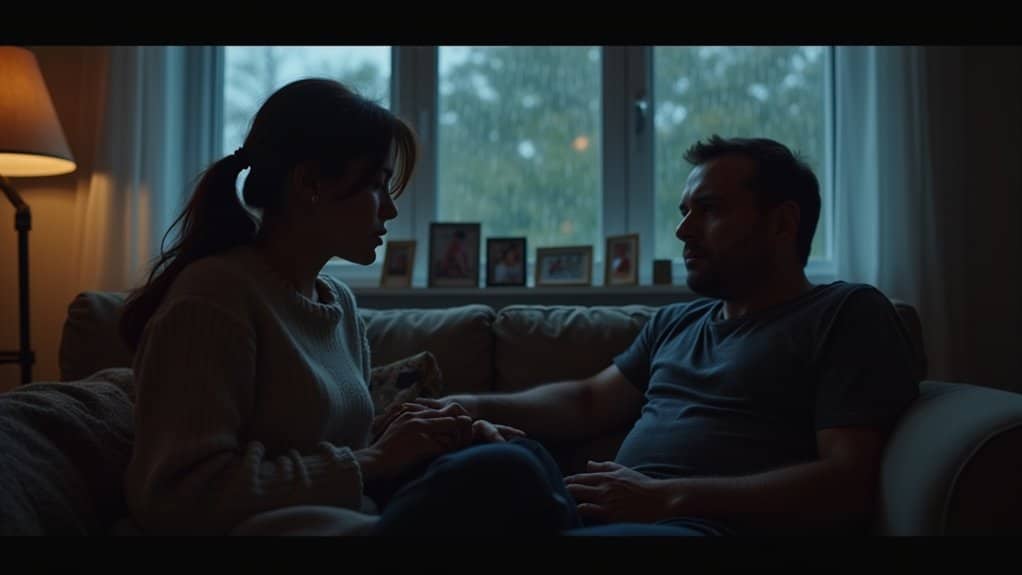
Vicarious trauma at work comes through professional duties, but partners absorb trauma through shared daily life, and the diagnostic criteria treat these two routes differently. Developing effective vicarious trauma strategies is essential for those in high-stress professions. These strategies can help mitigate the impact of secondary stressors on individuals and their families.
If you’re a first responder or clinician, repeated or extreme exposure to aversive details through your work can meet the DSM-5 trauma-exposure criterion.
If you love someone with PTSD, your route is different. Learning that a qualifying event happened to a close family member or friend can count. That event must involve actual or threatened death, serious injury, or sexual violence.
Either way, exposure alone doesn’t establish PTSD. A qualified clinician still assesses whether your symptoms fit the four required domains. Seeing images or news coverage alone doesn’t qualify. And remember, your loved one’s diagnosis doesn’t automatically become your diagnosis, too.
How do you carry their trauma without it becoming yours
You carry their trauma without it becoming yours by noticing when their pain starts reshaping your own life. Absorbing some of the pain of someone you love with PTSD is a normal part of caring, but these signals suggest it has crossed into your own experience:
- Their memories surface in your nightmares or intrusive thoughts, even though you weren’t there.
- You avoid places, news, or conversations that remind you of what they endured.
- You feel constantly on guard, scanning for danger they once faced.
- Guilt, numbness, or hopelessness crowd out the person you used to be.
These patterns mirror PTSD’s symptom domains, but they don’t automatically mean you have PTSD. If they persist and disrupt your functioning, a licensed mental-health professional can assess what’s happening. Protecting your wellbeing isn’t abandoning them. It’s how you stay present.
How do you both heal, together and separately
You heal on two tracks at once: your loved one gets care for their PTSD, and you get support for whatever their trauma has stirred in you.
Together, family or caregiver support can help you both understand symptoms and respond calmly. Separately, protect your care so it doesn’t depend on their progress.
Heal together through shared family support, and heal separately by protecting your own care, independent of their progress.
Their diagnosis doesn’t automatically mean you have PTSD, but research shows secondary-traumatic-stress symptoms are common among spouses, caregivers, and household members. If you’re having intrusive memories, nightmares, avoidance, persistent low mood, or constant alertness that disrupts life, see a licensed mental-health professional. They’ll assess your exposure, symptom pattern, duration, and functioning, and distinguish PTSD from secondary traumatic stress or other causes.
In immediate danger or self-harm risk, contact emergency or crisis services.
Get Support for Trauma Affecting Your Relationship
Living with a loved one’s trauma can affect your emotional well-being, sleep, and sense of safety. Villa Healing Center offers trauma recovery treatment to help you address distressing symptoms, develop healthier coping strategies, and regain emotional stability. Verify your insurance to explore coverage options, or call (888) 669-0661 to discuss treatment.
Frequently Asked Questions
Does Learning a Loved One Died of Natural Causes Count as Trauma Exposure?
No, learning that your loved one died of natural causes doesn’t meet the DSM-5 trauma-exposure criterion on its own. You’d meet that criterion if their death was violent or accidental. Still, your grief can be profound and real, and your pain deserves care. If you’re struggling with persistent symptoms that disrupt your daily life, a licensed mental-health professional can assess what you’re experiencing and help you find the right support.
Can Watching News or Videos of a Loved One’s Trauma Cause PTSD?
Watching news or videos alone doesn’t meet the DSM-5 trauma-exposure criterion, but learning that your loved one faced actual or threatened death, serious injury, or sexual violence can. So your exposure may qualify through what happened to them, not the screen itself. A clinician still needs to assess your intrusive memories, avoidance, mood changes, and arousal. If you’re struggling, you deserve support, and if you’re in danger, contact emergency services.
How Common Is Secondary Traumatic Stress Among Spouses of Veterans With PTSD?
Studies of spouses of veterans with PTSD have found secondary-traumatic-stress symptoms in 33% and 37% of participants, so if you’re struggling, you’re far from alone. Still, you shouldn’t read these figures as general-population rates or PTSD diagnosis rates. They reflect specific samples and symptom scales. If your symptoms persist or disrupt your daily life, a licensed mental-health professional can carefully assess what you’re experiencing and help you find the right support.
Does a High Score on a Secondary-Traumatic-Stress Scale Mean PTSD?
No, a high score on these scales doesn’t mean you have PTSD. Research scales measure secondary-traumatic-stress symptoms. They don’t deliver a formal diagnosis. A qualified clinician has to determine whether your exposure meets the trauma criterion and whether your symptoms fit all four domains: re-experiencing, avoidance, negative thoughts or feelings, and arousal or reactivity. If your symptoms persist or disrupt your daily life, you deserve a licensed professional’s individual assessment.
Who Can Formally Diagnose PTSD After Learning About a Loved One’s Trauma?
A qualified clinician, such as a licensed mental-health professional, can formally diagnose you. They’ll assess whether what you learned meets the trauma criterion: actual or threatened death, serious injury, or sexual violence affecting a close family member or friend. They’ll check whether your symptoms fit the required PTSD domains, how long they’ve lasted, and how they’re affecting your daily life. Your loved one’s diagnosis doesn’t automatically mean you’ve got PTSD.