
Yes, treating your sleep problems directly improves recovery outcomes for anxiety, depression, and addiction. Research shows insomnia increases your risk of depression tenfold and anxiety seventeenfold, while sleep disturbance during addiction recovery weakens impulse control and intensifies cravings. Even after successful mental health treatment, 40, 70% of patients experience residual sleep issues that threaten sustained progress. Addressing sleep isn’t secondary, it’s foundational to lasting wellness, and understanding the mechanisms behind this connection reveals why.
The Hidden Connection Between Poor Sleep and Mental Health Struggles

When you struggle to sleep, your mental health often pays the price, and the relationship works both ways. Research shows chronic sleep disturbance affects 50, 80% of individuals with mental disorders, and sleep problems appear as diagnostic criteria in 19 DSM Axis I disorders. This bidirectional link means poor sleep can precede mood disorder onset, serving as an early warning sign rather than just a symptom. Insomnia is associated with a 10-17 times higher risk of developing depression and anxiety disorders.
The emotional toll extends beyond diagnosis. Insufficient sleep heightens your negative responses to stressors while diminishing positive emotions, directly impacting your quality of life. Even after successful depression treatment, 40, 70% of patients experience residual sleep disturbance, leaving them vulnerable to relapse. Research demonstrates that sleep disturbance is associated with less benefit from treatment, regardless of the primary mental disorder being addressed. These findings underscore why addressing sleep isn’t optional, it’s foundational to effective mental health treatment and sustained recovery.
How Sleep Deprivation Fuels Anxiety and Depression Symptoms
Because sleep loss disrupts fundamental neurobiological processes, even minor reductions in sleep duration can trigger measurable increases in anxiety and depression symptoms. When you lose sleep, your brain’s serotonin, dopamine, and norepinephrine levels become dysregulated, while cortisol and inflammatory markers rise. This cascade impairs your prefrontal cortex’s ability to regulate amygdala activity, creating dysfunctional emotional reactivity patterns.
| Sleep Deprivation Effect | Anxiety Impact | Depression Impact |
|---|---|---|
| Neurotransmitter disruption | Excessive worrying | Depressed mood, irritability |
| Heightened physiological arousal | Racing heart, muscle tension | Anhedonia, fatigue |
| Reduced emotional regulation | Amplified threat responses | Blunted positive affect |
You’ll experience heightened physiological arousal alongside decreased positive emotions after just one night of poor sleep. Research shows insomnia increases depression risk tenfold and anxiety risk seventeenfold. The widespread prevalence of sleep problems is staggering, with 30-35% of people in the US meeting criteria for primary insomnia. According to the World Health Organization, approximately 264 million people globally suffer from depression, highlighting the urgent need to address sleep-related risk factors.
Why Sleep Problems Make Addiction Recovery More Difficult

When you’re sleep-deprived, your brain’s prefrontal cortex, the region responsible for impulse control and sound decision-making, functions less effectively, making it harder to resist urges to use substances. Research shows that poor sleep quality directly increases drug cravings, with studies in opioid addiction treatment demonstrating a day-to-day link between inadequate rest and heightened urges. Additionally, sleep disruption impairs your ability to regulate emotions, leaving you more reactive to stress and negative feelings that commonly trigger relapse. However, research also found that positive mood can partially mediate the effects of poor sleep on cravings, suggesting that emotional wellness plays a protective role. People recovering from alcohol addiction are twice as likely to relapse if they are not getting enough quality sleep.
Impaired Impulse Control
Although the prefrontal cortex normally acts as the brain’s executive control center, sleep deprivation markedly weakens its ability to override impulses and guide sound decision-making. When you’re sleep-deprived, you experience cognitive deficits in attention, working memory, and cognitive flexibility, all essential for resisting urges and applying coping strategies effectively.
Poor sleep also dysregulates dopamine signaling in reward pathways, making you more sensitive to immediate gratification while diminishing your capacity to evaluate consequences. This neurochemical shift increases risk-taking behavior and compulsive responses to cravings. Research in Parkinson’s disease patients demonstrates that dopamine agonists stimulating reward centers can drive addictive behaviors including pathological gambling, compulsive buying, and binge eating.
Additionally, sleep disturbance heightens stress reactivity, amplifying emotional responses that trigger impulsive substance use. When urges feel overwhelming and your inhibitory control is compromised, you’re far more likely to act rashly rather than implement recovery tools. Research shows that insufficient sleep is correlated with poor self-control, which is particularly critical during the vulnerable stages of addiction recovery. Treating sleep problems directly strengthens your neurological foundation for sustained impulse control.
Heightened Cravings and Relapse
Given that sleep deprivation simultaneously weakens your prefrontal control while amplifying reward-circuit activity, cravings become both stronger and harder to resist during recovery. Dopamine signaling disruptions from poor sleep increase the salience of substance-related cues, reinforcing craving relapse cycle patterns that persist throughout early abstinence. Sleep disturbance as a withdrawal symptom is recognized across all substance use disorders in the DSM-IV, highlighting its universal role in addiction vulnerability.
| Sleep Factor | Clinical Finding | Relapse Impact |
|---|---|---|
| Using alcohol as sleep aid | 52 patients reported this behavior | 3-fold higher relapse risk |
| Hypnotic use at admission | Common in 36-91% with AUD | 4-fold higher relapse risk |
| Low sleep regularity index | Predicted relapse at 28 days | Independent risk factor |
| Poor sleep efficiency | ~74% in relapsers vs ~83% non-relapsers | Significant predictor |
Targeted sleep interventions reduce craving intensity and correspondingly lower your relapse likelihood. Individuals transitioning from structured inpatient treatment to their home environments may struggle to maintain consistent sleep and wake patterns, making behavior-based interventions targeting sleep regularity particularly important during this vulnerable period.
Emotional Regulation Breaks Down
Beyond intensifying cravings, sleep deprivation systematically dismantles your capacity to regulate emotions, a breakdown that makes recovery considerably more difficult.
Sleep loss disrupts prefrontal-amygdala connectivity, weakening your brain’s top-down control over emotional responses. This neurological disruption creates three compounding problems:
- Sleep mediated neurotransmitter dysregulation alters dopamine, serotonin, and GABA systems, increasing vulnerability to anxiety and mood instability. These imbalances in neurotransmitters contribute to impulsivity and difficulty regulating behavior, further complicating recovery efforts.
- Impaired sleep related emotional processing leaves distressing memories unprocessed, intensifying next-day emotional volatility.
- Compromised executive function reduces your ability to deploy learned coping skills like cognitive restructuring.
Research shows insomnia affects 70-85% of individuals in SUD recovery. Without adequate sleep, your amygdala becomes hyperreactive to negative stimuli while cognitive control diminishes, leaving you emotionally overwhelmed and poorly equipped to manage recovery’s demands. This is why addressing sleep disorders is considered essential in comprehensive addiction treatment programs.
Evidence-Based Sleep Treatments That Improve Mental Health Outcomes
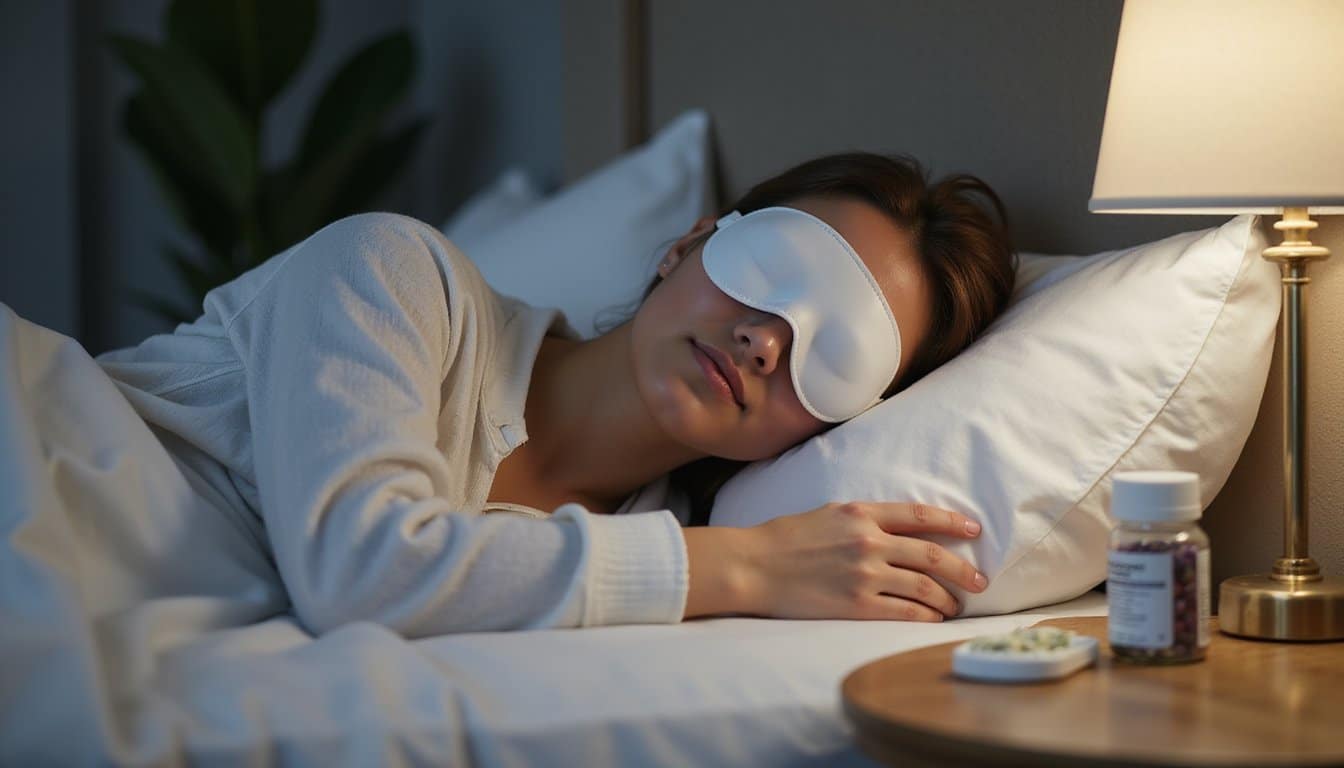
If you’re struggling with sleep problems alongside anxiety, depression, or addiction, evidence-based treatments can address both issues simultaneously. Cognitive Behavioral Therapy for Insomnia (CBT-I) stands as the gold-standard nonpharmacologic treatment, producing clinically significant improvements in sleep latency, wake time, and sleep efficiency, gains that translate directly into reduced anxiety and depression symptoms. Mindfulness and relaxation therapies, including progressive muscle relaxation and guided imagery, offer accessible interventions that lower physiological arousal while improving sleep quality. Research shows that effective insomnia management contributes to greater mood stability and improved mental health resilience over time. Despite its proven effectiveness, CBT-I remains underutilized because many patients are more likely to hear about sleep medications than this behavioral approach, partly due to a shortage of trained practitioners.
CBT-I as First-Line Treatment
When chronic insomnia disrupts your sleep for three or more months, clinical guidelines now point to cognitive behavioral therapy for insomnia (CBT-I) as the first-line treatment, often recommending it over sleep medications for most adults.
The efficacy of CBT-I is well-documented, with 70, 80% of patients experiencing improved sleep. The multicomponent approach combines three evidence-based techniques:
- Sleep restriction consolidates your time in bed to match actual sleep duration
- Stimulus control retrains your brain to associate bed with sleep
- Cognitive therapy addresses maladaptive thoughts fueling nighttime hyperarousal
Research shows short-term results comparable to pharmacotherapy, but CBT-I delivers superior long-term durability. Studies confirm that CBT-I produces larger effect sizes than relaxation and other behavioral techniques on subjective sleep outcomes. This sustained benefit explains the widespread adoption of CBT-I across primary and comorbid insomnia, including cases involving depression and anxiety.
Mindfulness and Relaxation Therapies
How effectively can meditation-based interventions address the sleep disruptions that accompany anxiety, depression, and addiction? Research demonstrates that Mindfulness-Based Stress Reduction (MBSR) and Mindfulness-Based Cognitive Therapy (MBCT) deliver significant sleep quality enhancement across these conditions. These programs reduce rumination and hyperarousal, the primary mechanisms disrupting your sleep when you’re struggling with anxiety or depression.
For addiction recovery, Mindfulness-Based Relapse Prevention (MBRP) targets cravings while providing stress reduction benefits that support better sleep. Studies show mindfulness training decreases substance use, anxiety, and depression simultaneously.
You’ll find that relaxation techniques like progressive muscle relaxation and diaphragmatic breathing complement mindfulness approaches. These interventions reduce both physiological and cognitive arousal at bedtime. MBCT specifically cuts depression relapse risk by 44, 50% in individuals with recurrent episodes, supporting long-term sleep stability.
Behavioral and Pharmacologic Approaches for Better Sleep in Recovery
Many individuals in recovery from substance use disorders experience persistent insomnia that doesn’t resolve with abstinence alone. CBT-I serves as the first-line treatment, offering effectiveness comparable to prescription hypnotics while prioritizing sleep medication safety concerns relevant to addiction recovery.
CBT-I offers prescription-strength results for recovery insomnia without the medication risks that matter most during sobriety.
You’ll find these core behavioral strategies essential for circadian rhythm regulation:
- Stimulus control therapy breaks conditioned associations between your bed and wakefulness, reducing nighttime craving cues
- Sleep restriction limits time in bed to match actual sleep duration, consolidating fragmented sleep and minimizing nocturnal anxiety episodes
- Relaxation training decreases physiological arousal through progressive muscle relaxation, supporting sleep without pharmacologic risks
Research demonstrates these approaches produce clinically significant improvements in sleep quality, latency, and wake time after sleep onset. The behavioral focus reduces your reliance on sedative medications that may carry misuse potential during recovery.
Building a Sleep-Focused Strategy for Lasting Wellness
Because sleep disturbance affects 50, 90% of individuals with anxiety, depression, or substance use disorders, compared to just 10, 18% of the general population, you can’t treat these conditions effectively without addressing sleep as a core recovery pillar.
Your strategy should integrate systematic sleep monitoring throughout recovery phases, since persistent insomnia doubles relapse risk. Implementing sleep hygiene strategies, consistent schedules, optimized environments, and structured routines, stabilizes circadian function and strengthens emotional regulation.
| Strategy Component | Action | Outcome |
|---|---|---|
| Assessment | Screen for insomnia, circadian issues | Identify specific sleep barriers |
| Monitoring | Track sleep quality during recovery | Detect early relapse warning signs |
| Intervention | Apply CBT-I, environmental optimization | Improve sleep, reduce cravings |
Early sleep intervention decreases relapse rates while stabilizing mood and anxiety symptoms for lasting wellness.
Frequently Asked Questions
How Long Does It Typically Take for Sleep to Normalize After Quitting Substances?
Your sleep typically begins improving within 2, 4 weeks after quitting, though full normalization often takes several months. Insomnia duration varies considerably by substance; alcohol and benzodiazepine withdrawal can disrupt sleep for 6 months or longer, while opioid-related sleep issues often resolve faster. Circadian rhythm disruption persists in stimulant recovery for months. You’ll recover more rapidly with shorter use histories and targeted sleep interventions, which also reduce your relapse risk during this vulnerable period.
Can Improving Sleep Alone Reduce the Need for Anxiety or Depression Medications?
Yes, improving sleep can reduce your need for anxiety or depression medications in many cases. Research shows that sleep quality optimization produces medium-sized reductions in depression symptoms, comparable to some antidepressants. When you prioritize circadian rhythm regulation through CBT-I and behavioral strategies, you’ll often see anxiety drop from clinical to subclinical levels within weeks. This doesn’t mean you should stop medications without guidance, but better sleep may allow dosage reductions under your provider’s supervision.
Is CBT-I Effective if Someone Is Still Actively Using Drugs or Alcohol?
Yes, CBT-I works even if you’re still actively using drugs or alcohol. Research shows CBT-I considerably reduces insomnia severity in people who continue drinking or using cannabis, you don’t need complete abstinence first. While CBT-I doesn’t directly cut substance use, improving your sleep leads to fewer alcohol-related consequences. You’ll get the best outcomes when combining CBT-I with your existing treatment plan, including medication assisted treatment or 12 step program adherence.
Are Sleep Tracking Apps Helpful for People Recovering From Addiction?
Sleep tracking apps can support your addiction recovery by providing objective sleep tracking data that helps identify patterns linked to relapse risk. These tools offer sleep quality assessments that reveal disruptions associated with increased cravings and poor emotional regulation. When integrated with clinical care, apps enable your treatment team to monitor changes between visits and intervene early if your sleep deteriorates. However, consumer-grade trackers vary in accuracy, so you should use them alongside professional guidance.
Should Family Members Adjust Their Sleep Schedules to Support a Loved One’s Recovery?
Yes, family sleep schedule adaptations can meaningfully support your loved one’s recovery. You’ll want to align key anchor points, wake times, quiet hours, and wind-down periods, rather than matching schedules exactly. Gradual sleep routine adjustments of 15, 30 minutes help reset household rhythms without causing burnout. This approach proves most beneficial during early recovery phases when structure matters most. However, you shouldn’t sacrifice your own sleep quality, as adequate rest maintains your caregiving capacity.