
Attachment disorders develop when your child doesn’t receive consistent, responsive care during critical periods, typically from infancy through preschool. When exploring the four attachment styles in children, these early caregiving experiences play a crucial role in shaping how a child learns to seek comfort, trust others, and regulate emotions.
You might notice early signs like avoiding eye contact, flinching at touch, or not seeking comfort when distressed. Some children show the opposite pattern, acting overly friendly with strangers while ignoring caregivers. Children in institutional care, foster systems, or those who’ve experienced maltreatment face enormously higher risks, and understanding age-specific symptoms can help you recognize when professional support is needed.
What Are RAD and DSED in Children?
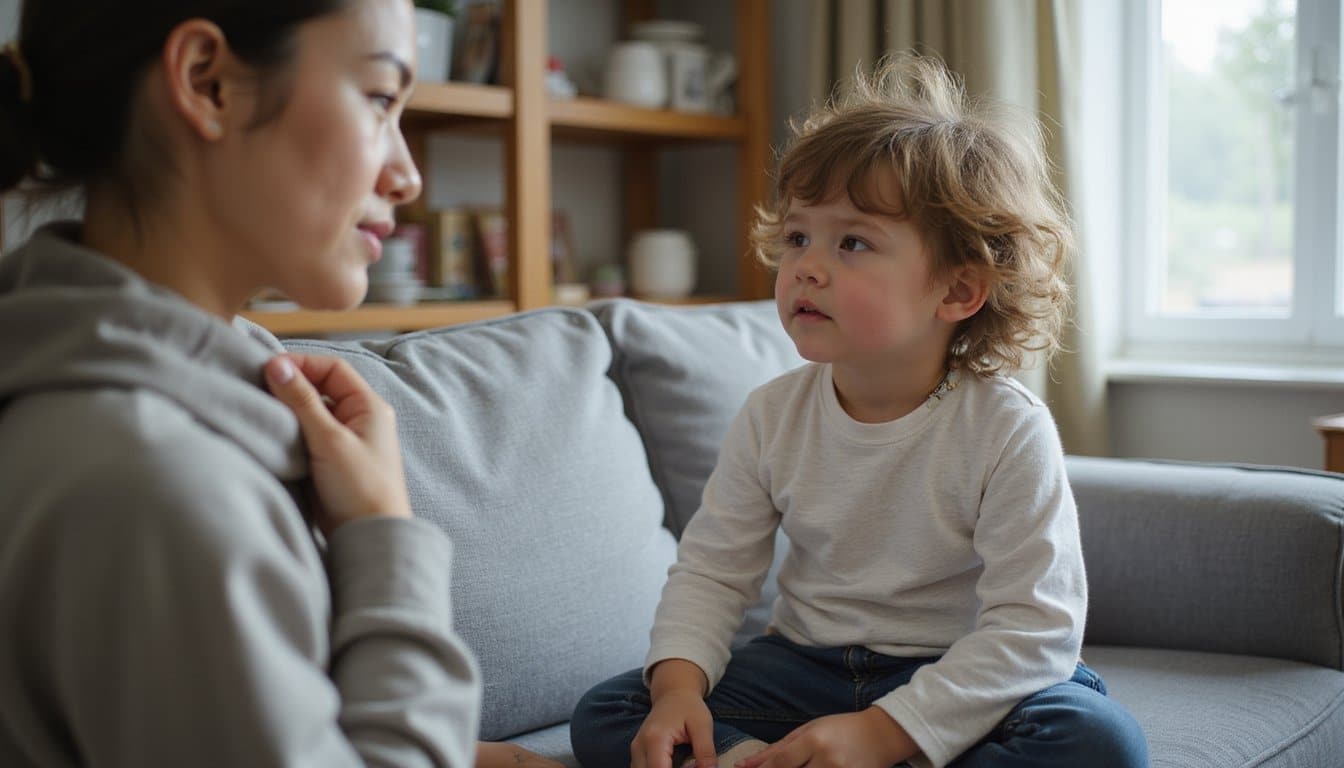
When a child experiences early neglect or disruption in caregiving, they may develop one of two attachment-related conditions: Reactive Attachment Disorder (RAD) or Disinhibited Social Engagement Disorder (DSED). Both stem from insufficient care during critical developmental periods, but they present differently.
RAD is an attachment disorder in children where your child rarely seeks comfort when distressed. They may appear withdrawn, emotionally detached, and resistant to affection. Children with RAD often show aversion to touch and physical affection from caregivers. They may display a sad and listless appearance along with unexplained irritability or fear. DSED looks quite different, your child shows overly friendly behavior toward strangers without checking with you first. They’ll seek comfort indiscriminately from anyone, showing no clear preference between caregivers and unfamiliar adults.
These conditions typically develop after severe neglect, abuse, or repeated caregiver changes, such as multiple foster placements or institutional care during early childhood. RAD affects up to 1-2% of children overall, though rates are significantly higher among those who have been removed from their homes and placed in alternative care settings.
Early Signs of Attachment Disorders Parents Often Miss
How often do parents notice the subtle ways attachment struggles first appear? You might overlook early symptoms of attachment disorders because they don’t always look like distress. Your child may avoid eye contact, flinch at gentle touch, or show no reaction when you enter the room.
Attachment disruption often manifests through self-soothing behaviors like rocking, emotional withdrawal, or crying without seeking comfort. You may notice your child doesn’t smile during interactions or shows little affection toward you.
Some children display indiscriminate sociability, seeking comfort from strangers while ignoring familiar caregivers. Others exhibit controlling behaviors or seem emotionally detached. Understanding parent attachment disorder patterns helps you recognize when professional support is needed. Early identification allows intervention before these patterns become deeply established in your child’s relational development. Recognizing the four types of attachment disorders can further guide caregivers in providing targeted support. By understanding these variations, parents can tailor their approaches to meet their child’s specific emotional needs.
At What Age Do Attachment Disorders Usually Appear?

You’ll typically notice signs of attachment disorders emerging between 9 months and 5 years of age, with symptoms often becoming apparent after your child develops the capacity for selective attachments around 6 to 9 months. The way these difficulties present can shift as your child grows, what looks like emotional withdrawal in infancy may appear as indiscriminate friendliness with strangers by toddlerhood. Understanding these age-related patterns helps you recognize when your child’s behavior signals a need for professional evaluation rather than a typical developmental phase.
Peak Onset Ages
Although attachment disorders can develop at various points in early childhood, research suggests the most critical window for their emergence spans from infancy through the preschool years. You’ll typically notice early signs of attachment disorders between 7-9 months, when selective attachment normally begins forming. Early childhood attachment issues become more identifiable around 22 months, a key assessment point researchers use to evaluate attachment problems in children.
The peak onset period involves several important milestones:
- 12-31 months: Institutionalized toddlers show distinct patterns, 31% display emotional withdrawal, 38% exhibit indiscriminate sociability
- 22-54 months: RAD signs demonstrate moderate stability, meaning early concerns often persist
- Preschool entry: Approximately 35% of young children entering foster care meet RAD criteria
Early identification during these windows gives your child the best opportunity for intervention.
Age-Related Symptom Patterns
Because attachment disorders develop along a predictable timeline, recognizing age-specific symptoms helps you identify concerns early and seek appropriate support. Because attachment disorders develop along a predictable timeline, recognizing age-specific symptoms helps you identify concerns early and seek appropriate support. This awareness is especially important because unresolved childhood patterns often evolve into attachment issues in adults, affecting trust, intimacy, and emotional regulation later in life.
In infancy, you’ll notice warning signs like aversion to touch, absence of distress during separation, and failure to seek comfort. Between 18-24 months, attachment issues in children manifest as lack of pretend play, chronic irritability, and preference for strangers over caregivers.
By preschool, symptoms differentiate into two patterns: inhibited children show extreme withdrawal and resist comfort, while disinhibited children display indiscriminate affection toward unfamiliar adults. During school age, peer difficulties and continued emotional unresponsiveness become apparent.
In adolescence, you may observe intensified control issues, difficulty forming trusting relationships, and inappropriate attachments to strangers stemming from early neglect experiences.
Which Children Face the Highest Risk for Attachment Disorders?
Certain groups of children face markedly increased risk for developing attachment disorders, with research showing stark differences in prevalence rates across populations. If your child has experienced institutional care, you should know that studies find RAD rates as high as 30% among institutionalized and foster children, compared to just 2% in the general population. Children raised in orphanages or residential facilities often experience severe social and emotional neglect, along with inadequate one-on-one caregiving that’s essential for forming secure bonds.
High-Risk Group Prevalence
When children experience maltreatment, their risk for attachment difficulties rises dramatically, up to 80% of maltreated children develop disorganised attachment patterns. You’ll find that childhood attachment problems don’t occur in isolation, they’re shaped by cumulative environmental stressors.
Research shows looked-after children face particularly high vulnerability, with half of those aged 5, 16 showing concerning emotional or behavioural health. Foster care populations experience heightened rates of reactive attachment disorder and disinhibited social engagement disorder.
Consider these key risk indicators:
- Maltreated children show substantially higher rates of insecure attachment compared to general populations
- Looked-after children are twice as likely to face permanent school exclusion
- Disadvantaged populations see secure attachment drop to approximately one-third, with 40% showing disorganised patterns
Early identification helps you intervene before these patterns become entrenched.
Institutional Care Impact
Although foster care populations experience notable attachment challenges, children raised in institutional settings face even greater developmental risks. Research shows 72.8% of institution-reared children develop disorganized attachment patterns, compared to just 25% in family settings. You’ll notice signs of unhealthy child attachment appearing as either disinhibited behaviors, where children show indiscriminate friendliness toward strangers, or inhibited responses marked by social withdrawal.
Structural neglect in institutions stems from inadequate staffing ratios and rotating caregivers who can’t form lasting bonds with children. This instability disrupts your child’s ability to develop trust and regulate emotions effectively. The duration matters considerably: extended institutionalization leads to profound impairments, while placement before age two generally produces better outcomes. Early intervention remains critical for minimizing these long-term developmental consequences.
ADHD, Language Delays, and Other Conditions Linked to RAD
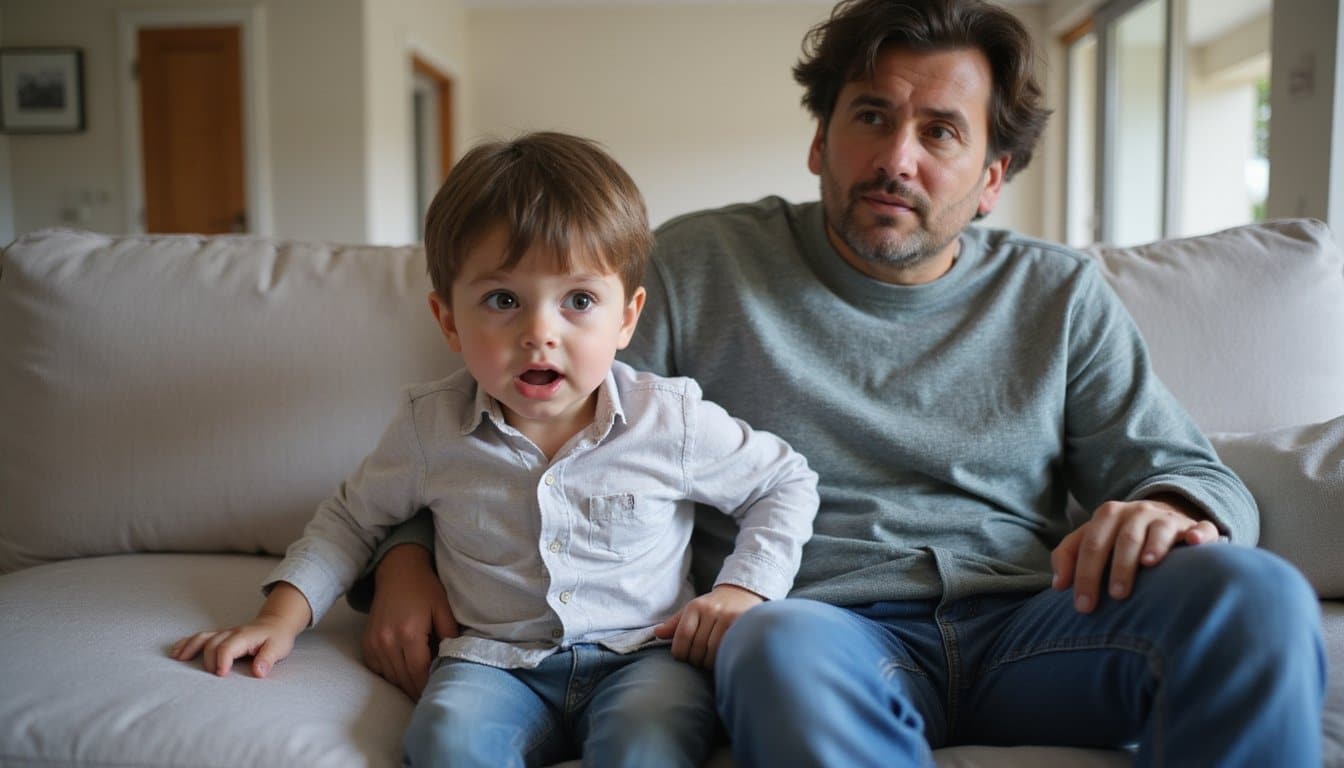
Children with reactive attachment disorder (RAD) frequently experience co-occurring conditions that can complicate diagnosis and treatment. Research shows ADHD represents the most common psychiatric comorbidity in children aged 7-9 with RAD, while language disorders dominate in younger children from birth to age 6. This overlap can make accurate attachment diagnosis challenging, as symptoms often disguise underlying relational difficulties.
You should know that these co-occurring conditions substantially impact long-term outcomes:
- Children with both RAD and ADHD face three times higher odds of adult psychiatric diagnoses than those with ADHD alone
- Language delays peak alongside RAD incidence at age 3, affecting early communication development
- Oppositional behaviors show statistically significant overlap between ADHD and attachment disorders
Understanding these connections helps you advocate for thorough evaluations that address your child’s complete developmental picture.
Can Attachment Disorders in Children Be Treated?
How effectively can children with attachment disorders recover, and what approaches offer the most promise?
When you’re exploring what are the two types of reactive attachment disorder, inhibited and disinhibited, you’ll find that both respond to evidence-based interventions. Attachment and Biobehavioral Catch-Up shows the strongest results, considerably lowering disorganized attachment rates. Child-Parent Psychotherapy helps children from birth to age five process trauma while strengthening caregiver bonds.
Your role as a caregiver matters tremendously. Therapeutic parenting teaches you to provide consistency, routine, and positive reinforcement that builds your child’s trust and security. Family therapy improves communication and guarantees safe, nurturing interactions.
Recovery requires patience, progress can be slow with occasional setbacks. However, with appropriate treatment, stable caregivers, and stimulating environments, children can develop healthier attachment patterns and improved emotional regulation.
When Should You Seek Professional Help for Attachment Disorders?
Recognizing when your child’s attachment difficulties require professional support can feel overwhelming, but certain signs shouldn’t be ignored. You should seek help when behavioral or emotional concerns persist across time and settings, particularly if they interfere with your child’s daily functioning, relationships, or development.
Signs that warrant professional evaluation include:
- Chronic unhappiness, irritability, or fear during normal activities that doesn’t improve
- Lack of comfort-seeking behavior toward you when your child is hurt, scared, or sick
- Difficulty forming emotional bonds that disrupts family dynamics or school performance
Early intervention dramatically improves outcomes. Start by consulting your pediatrician, who can refer you to a child psychiatrist or psychologist specializing in attachment disorders. Before your appointment, document when symptoms began, your child’s living situation history, and which approaches you’ve already tried.
Take Charge of Your Mental Health Today
Frequently Asked Questions
Are Attachment Disorders More Common in Boys or Girls?
Research doesn’t show attachment disorders occurring more often in boys or girls. You’ll find these challenges affect children of all genders when they’ve experienced disrupted caregiving, trauma, or repeated caregiver changes. What matters most isn’t your child’s gender, it’s their unique experiences and environment. If you’re noticing signs of attachment difficulties, early identification gives you the best opportunity to support your child’s emotional development and help them build secure, healthy relationships.
Can Attachment Problems in Childhood Persist Into Adulthood?
Yes, attachment problems in childhood can persist into adulthood. Research shows that early neglect or abuse often shapes how you form relationships later in life, potentially leading to anxious or avoidant attachment patterns. These difficulties may affect your emotional regulation, self-esteem, and mental health over time. However, positive experiences, like supportive caregivers or healthy friendships, can help foster more secure attachments. Early intervention gives you the best opportunity for lasting relational wellbeing.
Do Children With Attachment Disorders Have Higher Rates of Physical Health Problems?
Yes, children with attachment disorders often experience higher rates of physical health problems. Research shows insecure attachment links to increased blood pressure, chronic inflammation, and heightened stress responses. You’ll find these children may develop conditions like obesity, migraines, or ADHD at greater rates than securely attached peers. Their bodies respond to relational stress physiologically, creating lasting health impacts. Early intervention can help you support both their emotional and physical wellbeing.
How Common Are Attachment Disorders in the General Population?
Attachment disorders are relatively rare in the general population. Reactive attachment disorder (RAD) affects approximately 1-2% of children overall, with studies showing even lower rates in some countries. However, you’ll find substantially higher rates among children who’ve experienced institutional care, foster placement, or early adversity, nearly half of children removed from their homes may develop RAD. Secure attachment remains the norm, with about two-thirds of children forming healthy attachment patterns.
Which Medical Specialists Typically Diagnose Attachment Disorders in Children?
Several specialists can diagnose attachment disorders in your child. Pediatric psychiatrists and child psychologists typically conduct the most thorough evaluations, using direct observation of parent-child interactions and DSM-5 criteria. Developmental pediatricians also assess children with histories of neglect or caregiver disruptions. Your pediatrician often serves as the starting point, recognizing early signs and referring you to appropriate specialists. Children with foster or adoption backgrounds may benefit from earlier referral to guarantee timely support.