
Propranolol for anxiety typically starts at 10-20 mg taken 2-3 times daily, with effects noticeable within 30-60 minutes. You’ll need to take it consistently, and your doctor may adjust your dose in 10 mg increments based on your response. While daily doses can reach up to 160 mg under medical supervision, most patients find relief with 40-120 mg per day. Managing side effects and proper timing around meals can greatly impact your treatment’s success.
Understanding Propranolol’s Standard Dosage Range
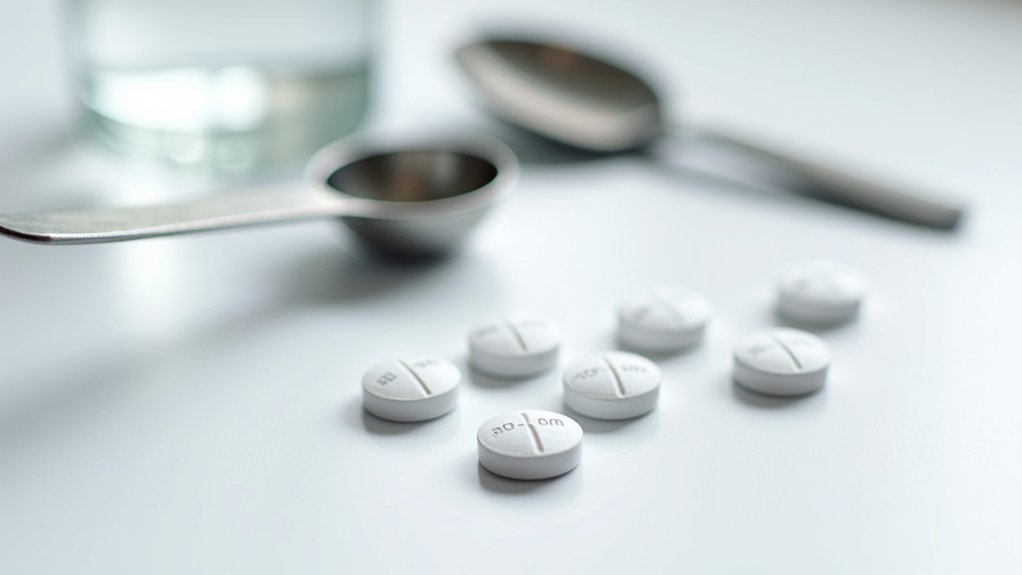
While propranolol dosage varies by individual needs, most adults begin treatment with 10-20 mg taken two to three times daily for anxiety management. Your healthcare provider will determine the most effective dose based on your specific symptoms and medical history. Common side effects like tiredness and dizziness may occur as your body adjusts to the medication.
The therapeutic dose can be adjusted gradually in 10mg increments, with careful monitoring of your response. For situational anxiety, like public speaking, a single prescribed dose typically ranges from 10-40 mg taken shortly before the event. As a beta-blocker medication, propranolol works by blocking the effects of adrenaline to reduce physical anxiety symptoms. Your doctor may increase the dosage until reaching a suitable level that controls your anxiety symptoms while minimizing side effects. Comprehensive treatment plans often include therapy alongside medication for better outcomes.
Most patients don’t require more than 80-120 mg per day, though in rare cases, doses up to 160 mg daily may be prescribed under close medical supervision. Dose adjustment depends on your individual response and any concurrent health conditions.
Timing and Frequency of Taking Propranolol
Since propranolol’s effectiveness depends heavily on proper timing, understanding when to take your medication is essential for ideal anxiety management. As an oral medication, propranolol typically provides quick relief within 30-60 minutes, making it effective for both short-term situations and ongoing anxiety management. The medication reaches peak concentration levels between 1-4 hours after taking a dose. For patients requiring extended-release tablets, a single morning dose may be sufficient for all-day coverage.
For best results, follow these timing guidelines under medical guidance:
- Take pre-event medication approximately one hour before anticipated anxiety-triggering situations
- Space multiple daily doses evenly throughout the day if prescribed for ongoing anxiety
- Consider taking your first dose at bedtime to minimize potential dizziness
- Coordinate doses with meals, as protein-rich foods can increase the medication’s bioavailability by 50%
Your frequency of dosing may range from single pre-event doses to 3-4 daily doses, depending on your specific needs and treatment plan.
Maximum Daily Limits and Safety Thresholds
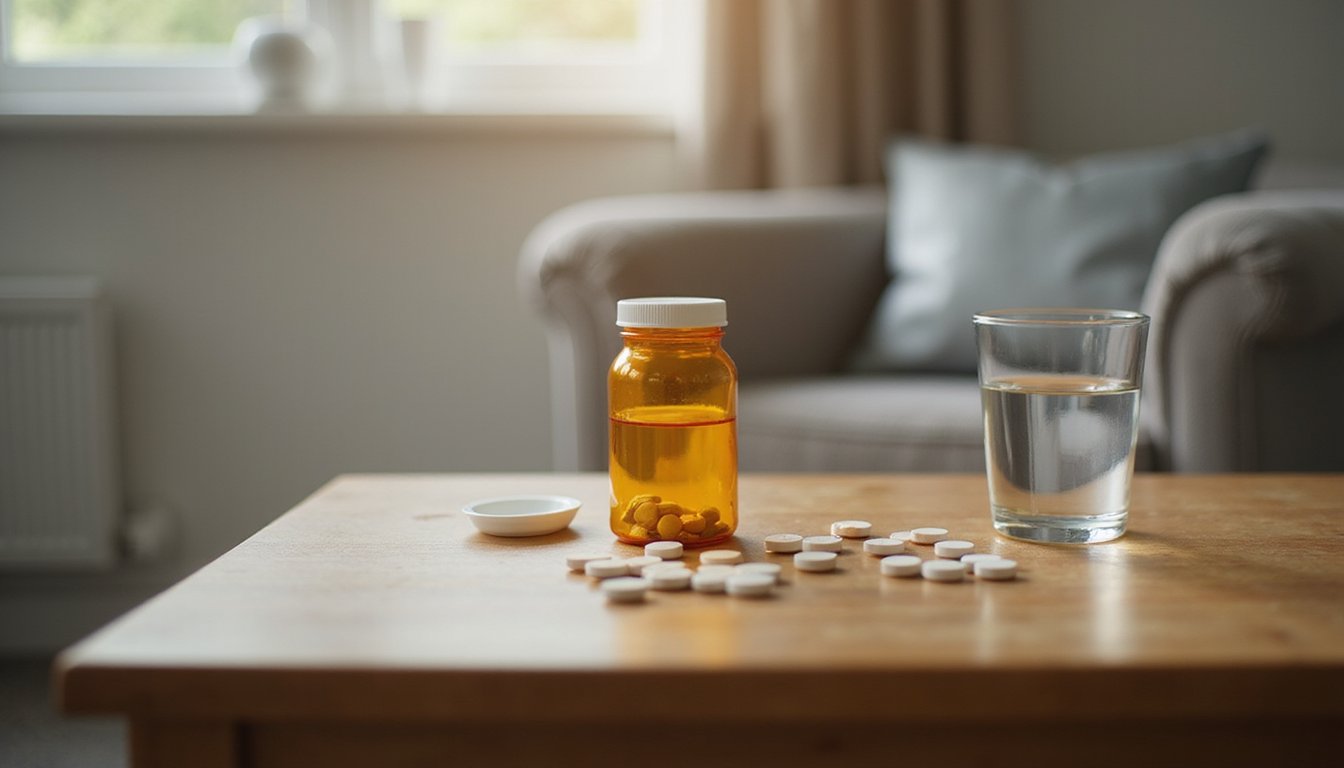
While propranolol’s typical maximum daily dose ranges from 80-160mg for anxiety treatment, most healthcare providers cap routine dosing at 120mg per day. You’ll generally start with a lower dose that your doctor may increase gradually by 10-20mg increments each week, based on your response and side effects. Taking propranolol with or without food is acceptable, though consistency in your approach helps maintain steady medication levels. If you exceed the recommended maximum doses, you risk serious complications, including dangerous drops in heart rate and blood pressure, which require immediate medical attention.
Standard Maximum Daily Dose
Three key limits define propranolol’s maximum daily dosage for anxiety treatment. The standard maximum daily dose is 120mg, though your healthcare team may adjust this based on your specific needs. Short-acting doses are typically divided throughout the day for ideal effectiveness.
Clinical guidelines recommend the following maximum daily limits:
- 80-160mg for general anxiety treatment, split into smaller doses
- 40mg taken 2-3 times daily as a common dosing strategy
- 10-40mg administered 3-4 times daily for symptom management
- Up to 160mg daily in rare cases with close monitoring
These dose adjustments require professional supervision, as exceeding recommended limits can increase your risk of adverse effects. Your healthcare team will determine the most appropriate dosage based on your symptoms, medical history, and response to treatment.
Safe Dosage Increase Steps
Building on established maximum daily limits, safe increases in propranolol dosage follow specific protocols to guarantee patient safety and optimal therapeutic outcomes. Your dose may change through careful titration, gradually increased under medical supervision for ideal anxiety relief.
| Dosage Phase | Typical Adjustment | Monitoring Needs |
|---|---|---|
| Initial | 10-20mg daily | Weekly BP checks |
| Titration | +10mg increments | Response review |
| Maintenance | Up to 120mg daily | Regular followup |
For performance anxiety, you’ll typically start at lower doses, with increases based on your response and tolerability. This effective way of adjusting medication guarantees safety while maximizing benefits. Your healthcare provider will monitor crucial signs, assess side effects, and adjust your dose based on individual factors, including age, health status, and concurrent medications. It’s important to have open communication with your healthcare provider during this process to ensure that the treatment plan remains tailored to your needs. By taking this careful approach, you increase the likelihood of achieving effective anxiety treatment while minimizing potential adverse reactions.
Risk Beyond Safety Limits
Understanding the risks of exceeding propranolol’s safety limits is essential for anyone taking this medication for anxiety. The maximum daily dose typically ranges from 80mg to 160mg, with most treatment plans staying below 120mg for ideal anxiety management. When you exceed these limits, you’re exposing yourself to serious health complications.
Key risks of surpassing safety thresholds include:
- Severe cardiac effects, including dangerous bradycardia and arrhythmias
- Potentially life-threatening drops in blood pressure
- Significant central nervous system effects like confusion and depression
- Respiratory complications, especially in those with breathing conditions
If you experience severe fatigue, dizziness, or unusual heart rate changes while taking propranolol, contact your healthcare provider immediately. Never adjust your dosage without professional medical supervision, as exceeding safety limits can lead to serious complications.
Common Side Effects and Risk Factors

While propranolol effectively manages anxiety symptoms, patients should be aware of its common side effects. During your treatment, you might experience fatigue and drowsiness, which can affect your daily activities. Common physical side effects include dizziness, headaches, and cold hands or feet due to low blood pressure. Consulting your doctor is essential since propranolol can mask low glucose symptoms. The medication requires individualized dosing based on factors like age, weight, and overall health status. While these symptoms typically offer temporary relief from anxiety, they can impact your ability to drive or operate machinery. Patients taking propranolol should incorporate relaxation and meditation techniques to help manage stress levels alongside their medication.
Risk factors and interactions deserve careful attention, particularly if you have underlying health conditions or take other medications. You’ll need to avoid alcohol consumption, as it can worsen side effects. Though rare, serious or rare adverse reactions may include severe allergic responses, vision problems, or sudden weight gain. Always report unusual symptoms to your healthcare provider to guarantee safe anxiety control.
Special Considerations for Different Patient Groups
If you’re an elderly patient seeking propranolol for anxiety, you’ll need special dosing considerations due to increased sensitivity to the medication and higher risks of side effects like low blood pressure. Your doctor will likely start you on a lower dose of 10mg once or twice daily, with careful monitoring of your response and any adverse reactions. Managing medical complications becomes particularly important if you have existing conditions such as kidney or liver impairment, or if you’re taking other medications that could interact with propranolol. Regular consultations with your healthcare provider can help ensure that you stay within safe dosage limits while effectively managing your anxiety symptoms.
Elderly Patients and Safety
Because elderly patients metabolize propranolol differently than younger adults, they require special dosing considerations and closer monitoring. For geriatric patients, a 10mg dose can produce effects equivalent to 40mg in younger adults, making careful dosage adjustment vital. Medical providers should begin with conservative doses and carefully titrate medication levels to achieve optimal therapeutic effects. Studies show that elderly patients experience significantly higher plasma concentrations of propranolol compared to younger individuals. Blood pressure and heart rate should be monitored after dose changes according to standard guidelines.
If you’re an elderly patient prescribed propranolol for anxiety, you’ll need to be aware of these essential safety measures:
- Start with lower initial doses (10-20mg) and increase slowly based on your response
- Expect more frequent monitoring of your blood pressure and heart rate
- Report any dizziness, confusion, or unusual fatigue to your healthcare provider
- Review all your medications with your doctor, as drug interactions are more common
Managing Medical Complications
Beyond age-related considerations, propranolol’s safety profile demands careful evaluation across various patient groups with pre-existing medical conditions. If you have cardiac complications, you’ll need close monitoring due to risks of bradycardia and heart block. Those with respiratory conditions like asthma or COPD shouldn’t take propranolol, as it can trigger bronchospasm. Diabetic patients require extra vigilance since propranolol can mask hypoglycemia symptoms. Regular blood pressure checks are essential since propranolol works by reducing heart workload.
For patients with psychiatric conditions, there’s an increased self-harm risk, particularly when anxiety co-exists with depression. Recent data shows that overdose fatalities can occur with doses as low as 2,000mg. If you’re under 18, special pediatric and adolescent considerations apply, as safety data remains limited. Dosage adjustments are essential if you have renal or hepatic impairment since these conditions affect drug clearance. Your healthcare provider should evaluate alternative anxiety interventions if you fall into any of these high-risk categories.
When to Adjust Your Propranolol Dosage
While taking propranolol for anxiety, you’ll need to monitor your body’s response to determine when dosage adjustments are necessary. Working with your doctor, you’ll find that propranolol offers immediate relief within 30-60 minutes, particularly for situational anxiety and anxiety-inducing performance events.
Your doctor may need to adjust your dose if you experience:
- Inadequate control of anxiety symptoms or persistent physical symptoms
- Excessive fatigue, dizziness, or unusually low heart rate
- New or worsening side effects that impact your daily activities
- Changes in your overall health status or medication regimen
Remember that the maximum safe dose is 640 mg/day, though most anxiety patients require much less. Regular check-ins with your healthcare provider guarantee dose adjustments are made safely and effectively based on your individual response to treatment.
Frequently Asked Questions
Can I Drink Alcohol While Taking Propranolol for Anxiety?
You shouldn’t drink alcohol while taking propranolol. The combination can cause dangerous effects, including severe drowsiness, dizziness, and dangerously low blood pressure. Both substances are processed by your liver, and their interaction can reduce propranolol’s effectiveness while masking alcohol’s effects on your body. If you’re taking propranolol for anxiety, drinking alcohol could also worsen your anxiety symptoms and increase health risks.
How Long Does It Take to Get Used to Propranolol?
You’ll typically notice propranolol’s effects on physical anxiety symptoms within 30-60 minutes of your first dose. While your body will begin adjusting to the medication within the first few days, it usually takes about a week to fully acclimate. During this time, you may experience temporary side effects like fatigue or dizziness. If you’re taking it daily, your doctor might gradually adjust your dose over the first week to optimize effectiveness.
Will Propranolol Affect My Exercise Performance or Workout Routine?
If you’re taking low-dose propranolol as needed for anxiety (10-20mg), you’ll likely experience minimal impact on moderate exercise. However, propranolol will lower your maximum heart rate by 20-45 beats per minute and may reduce your peak performance during intense workouts. You won’t be able to rely on heart rate monitoring, so you’ll need to focus on perceived exertion instead. Stay hydrated and pace yourself during exercise sessions.
Can I Drive or Operate Machinery While Taking Propranolol?
You should be cautious about driving or operating machinery when first taking propranolol. The medication can cause dizziness, drowsiness, and delayed reaction times, which may affect your ability to operate vehicles safely. It’s best to understand how the medication affects you before engaging in these activities. Monitor your response to the drug, and if you experience significant side effects like confusion or visual disturbances, don’t drive until you’ve consulted your healthcare provider.
Does Propranolol Interact With Caffeine or Coffee Consumption?
While there’s no direct drug interaction between propranolol and caffeine, you’ll want to be cautious about your coffee consumption. Caffeine can increase blood pressure and tremors, potentially counteracting propranolol’s effects. You should limit your caffeine intake while taking propranolol, especially if you’re using it for anxiety or blood pressure control. It’s best to discuss your caffeine consumption with your healthcare provider for personalized guidance.