
You can combat seasonal depression by pairing proven treatments with steady habits. Bright-light therapy, CBT-SAD, and antidepressants have the strongest evidence, and you’ll get the most from them when you plan ahead with a clinician before symptoms return. Each day, get morning daylight, move regularly, keep consistent sleep and meal times, and schedule social contact. These steps won’t replace care, but they’ll help steady your mood. Below, you’ll find ten practical ways to stay anchored.
Key Takeaways
- Evidence-based SAD treatments include bright-light therapy, CBT-SAD, and antidepressants, used alone or combined, ideally planned with a clinician before symptoms return.
- Morning outdoor daylight, scheduled walks or workouts, and planned social activities help blunt the winter slump, especially when started before energy dips.
- A typical light-therapy protocol uses a 10,000-lux light box for 30 to 45 minutes each morning, without staring directly into the light.
- Consistent wake, sleep, and meal times help counter winter-pattern symptoms like oversleeping, carbohydrate cravings, and weight gain.
- Seek professional help if symptoms persist for weeks, disrupt work or relationships, or return at the same time each year.
How do you combat seasonal depression
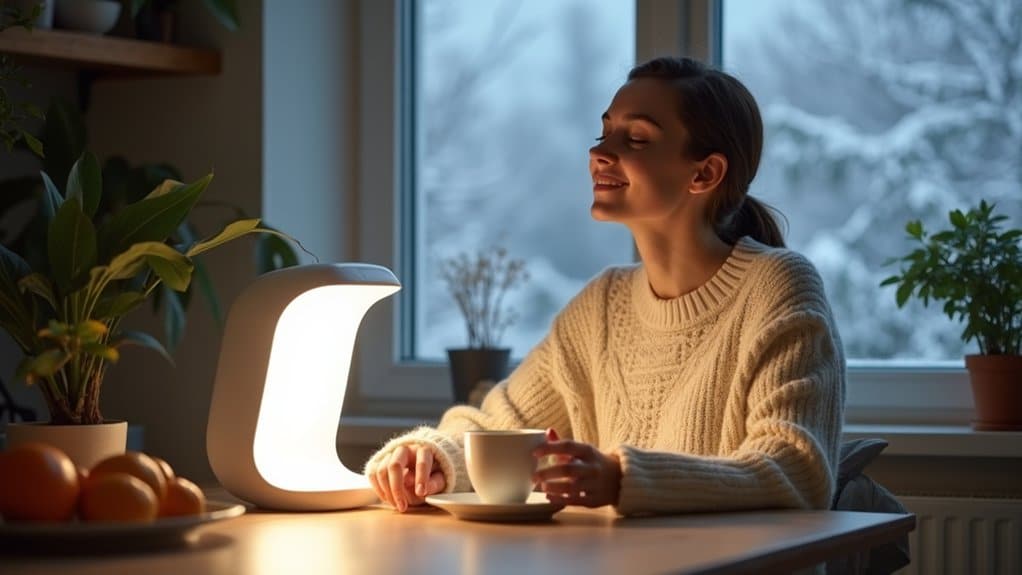
The most effective ways to combat seasonal depression include bright-light therapy, cognitive behavioral therapy adapted for SAD (CBT-SAD), and antidepressants, used alone or combined. Because seasonal affective disorder (SAD) follows a predictable pattern, you can often get ahead of it with treatments that target both its biology and its effects on daily life. To deal with seasonal depression day to day, add outdoor daylight, regular exercise, and planned social activities. These steps complement professional care but don’t replace it. Timing also matters: talk with a clinician before symptoms usually return, since preventive treatment may help. If you’re having thoughts of death or suicide, please contact emergency services or a crisis line right away.
Which daily habits blunt the winter slump
Getting morning daylight, moving regularly, and keeping a structured routine can blunt the winter slump, especially when you start these habits before your energy dips. These practical tips for how to combat seasonal depression complement, but don’t replace, professional care.
| Habit | How to Do It | Why It Helps |
|---|---|---|
| Get daylight | Spend time outdoors each morning | Adds natural-light exposure |
| Move regularly | Schedule walks or workouts | Linked to fewer depressive symptoms |
| Keep structure | Plan routines and social activities | Counters withdrawal |
Evidence for exercise is limited, so treat it as support, not a standalone fix. If symptoms persist, disrupt your daily life, or return each winter, see a clinician. If you’re having thoughts of death or suicide, contact emergency services or a crisis line now.
How does light exposure change the way you feel
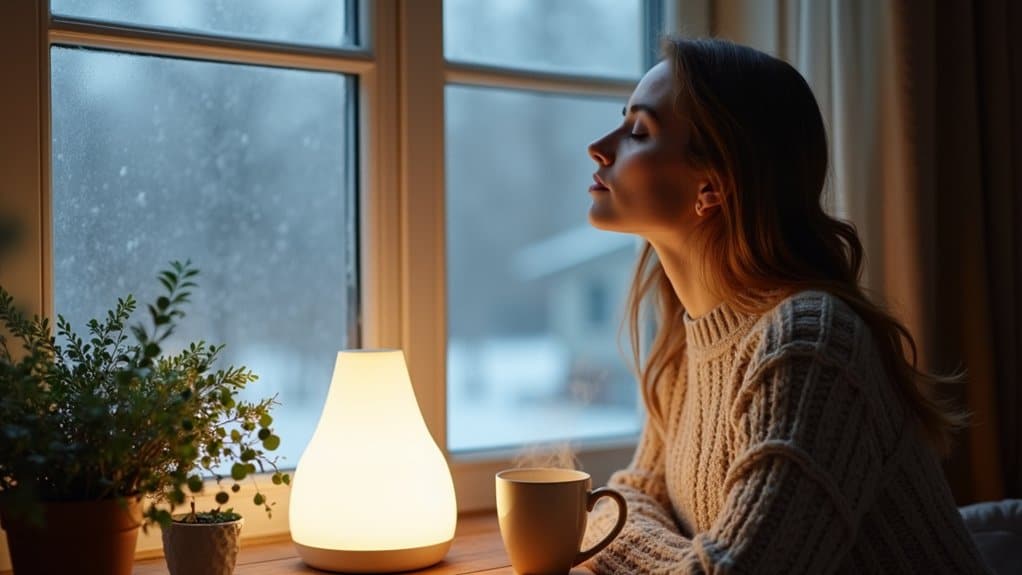
Light exposure can lift low mood and ease the fatigue that often settles in as days shorten, which is why bright-light therapy is one of the most common treatments for winter-pattern seasonal affective disorder. A typical protocol uses a 10,000-lux light box for about 30 to 45 minutes each morning, often starting in fall and continuing through spring. Position the light indirectly rather than staring into it, and use it exactly as directed. Some people notice headaches, nausea, dizziness, or eye discomfort. Check with your healthcare professional before starting, especially if you have an eye condition, bipolar disorder, or take medicines that increase light sensitivity.
You can add natural light by spending time outdoors daily and letting daylight into your home. These steps complement treatment. They don’t replace it.
Why does movement help more than you expect
Movement helps more than you expect because it is linked to fewer depressive symptoms and counters the withdrawal and disengagement that winter-pattern SAD encourages, even when winter fatigue makes the couch feel like the only reasonable option. Regular exercise is among the lifestyle approaches clinicians recommend alongside established SAD treatments. In one small randomized trial, exercise and light exposure were each associated with fewer depressive symptoms, though the evidence remains limited.
You don’t need an ambitious plan. Take a brisk walk outdoors during daylight, and you’ll combine activity with natural-light exposure. Schedule it at the same time each day so the routine carries you when motivation doesn’t. Still, exercise complements care rather than replacing it. If your symptoms persist or disrupt daily life, talk with a healthcare professional.
How do food and sleep shift seasonal mood

Food and sleep changes can be core symptoms of seasonal depression, not personal failings. Winter-pattern SAD often shows up as oversleeping, carbohydrate cravings, and weight gain. Summer-pattern SAD can flip that picture, bringing insomnia and reduced appetite instead. Tracking these shifts helps you and your clinician spot a clear seasonal pattern.
Keep a regular daily routine, waking, sleeping, and eating at consistent times. If you use a light box, morning sessions fit naturally into that wake-up rhythm. You might wonder whether vitamin D will fix low energy, but evidence for supplementation is mixed, so ask a clinician about testing rather than assuming deficiency. Lifestyle steps can complement treatment, but they shouldn’t replace professional care when sleep or appetite changes persist or disrupt your daily life.
When do self-help steps stop being enough
Self-help steps stop being enough when low mood, fatigue, or withdrawal persists for weeks, disrupts work or relationships, or returns at the same time each year. Seek an assessment if this happens. Routines, daylight, and exercise can ease seasonal symptoms, but they have limits. Lifestyle steps complement treatment; they don’t replace professional care. A clinician can confirm whether you meet criteria for SAD, which generally requires seasonal episodes for at least two consecutive years.
You’ll have several evidence-based options. CBT-SAD, antidepressants, and bright-light therapy all treat SAD, and combining them may help. If your symptoms recur annually, discuss preventive care before they typically start; bupropion has evidence for preventing recurrence.
If you have thoughts of death or suicide, don’t wait. Contact emergency services or a crisis line right away for support.
How do you keep combating seasonal depression on hard days
Aim for the smallest version of your plan on hard days rather than abandoning it. Still switch on your light box at breakfast, even if you feel flat. If a workout feels impossible, take a short daylight walk instead. Keep your wake time steady, and send one message to someone you trust rather than withdrawing completely.
Behavioral activation works through action first, so you don’t need to feel motivated before you start. Pick one small, enjoyable task, however modest, and finish it.
Track your hard days in a brief log. If they’re stacking up or disrupting work, sleep, or relationships, tell your clinician; your treatment may need adjusting. If you have thoughts of death or suicide, contact emergency services or a crisis line right away.
Take Control of Seasonal Depression
Small changes to your daily routine can help manage seasonal depression, but persistent symptoms may require professional treatment. Villa Healing Center offers depression treatment to help you address recurring low mood, improve emotional stability, and build effective coping strategies. Verify your insurance to explore coverage options, or call (888) 669-0661 to discuss treatment.
Frequently Asked Questions
Can Seasonal Affective Disorder Happen in Summer Instead of Winter?
Yes, seasonal affective disorder can follow a summer pattern. Instead of oversleeping and craving carbohydrates, you might notice insomnia, reduced appetite, agitation, and anxiety. Clinicians generally look for seasonal episodes recurring for at least two consecutive years before diagnosing SAD. If your symptoms persist or disrupt daily life, you’ll benefit from a professional assessment. If you’re having thoughts of death or suicide, contact emergency services or a crisis line immediately.
How Long Do Seasonal Depression Symptoms Usually Last Each Year?
Your seasonal depression symptoms usually last about four to five months each year. If you have winter-pattern SAD, they’ll often start in late fall and ease by spring. Summer-pattern symptoms follow warmer months instead. Clinicians typically diagnose SAD when you’ve had seasonal episodes for at least two consecutive years. Since episodes recur, you can talk with a clinician before symptoms return about preventive options like light therapy, CBT-SAD, or medication.
How Is Seasonal Affective Disorder Officially Diagnosed?
A clinician diagnoses SAD when you’ve had depressive episodes in the same season for at least two consecutive years, and those episodes occur more often in that season than at other times. They’ll ask about winter-pattern symptoms like oversleeping, carbohydrate cravings, weight gain, and withdrawal, or summer-pattern insomnia, agitation, and anxiety. If your symptoms persist or disrupt daily life, don’t wait. Seek a professional assessment so you can start appropriate care.
How Common Is Seasonal Affective Disorder Among U.S. Adults?
Estimates vary, so you’ll see different numbers depending on the source. One clinical review puts U.S. lifetime prevalence at 0.5%, 2.4%, while another source estimates about 5% of adults experience SAD. These figures don’t fully agree, but either way, SAD isn’t rare. If your low mood returns each fall or summer, you’re not alone, and you don’t have to wait it out. A clinician can assess your pattern and discuss treatment options.
Do Vitamin D Supplements Work as a Treatment for Seasonal Depression?
Vitamin D supplements alone aren’t an established, effective treatment for seasonal depression, and research on supplementation remains mixed. If you’re struggling through darker months, don’t assume your low mood reflects a deficiency. Instead, ask your clinician whether testing or supplementation makes sense for you. You’ll likely get more reliable relief from proven options like bright-light therapy, cognitive behavioral therapy, or antidepressants, which your clinician can tailor to your specific needs.