
Examples and types of generational trauma appear across families and communities in a variety of interconnected ways. They can be seen in the descendants of Holocaust survivors who experience elevated anxiety, in Indigenous communities affected by forced assimilation, and in Black families navigating the lasting impacts of slavery and ongoing discrimination. Generational trauma also emerges in refugee families coping with displacement, communities caught in cycles of poverty or violence, and households where harsh discipline, emotional suppression, or avoidance is passed down across generations. Recognizing these patterns can help individuals better understand how inherited experiences shape emotional responses and behaviors in their own lives.
What Is Generational Trauma?

Generational trauma passes down through families and communities, carrying the psychological weight of past experiences into the present. When you experience this form of trauma, you’re affected by overwhelming events that occurred before your lifetime, events like violence, persecution, or severe adversity that shaped your ancestors’ lives.
Recognized in psychology since the 1960s through work with Holocaust survivors’ children, generational trauma examples include both individual family patterns and collective cultural experiences. You might notice its effects in attachment difficulties, chronic anxiety, depression, or learned coping styles like emotional suppression. Research suggests this trauma can be transmitted not only through family dynamics and learned behaviors but also through changes in DNA.
This trauma isn’t simply about remembering painful histories. It’s an ongoing process where past experiences intersect with current stressors, creating lasting emotional, social, and behavioral impacts that extend far beyond the original survivors. Studies estimate that 70% of adults worldwide have experienced at least one traumatic event, highlighting how widespread these initial wounds can be before they ripple through generations. Understanding the core concepts of trauma transmission is essential for addressing not only the individual but also the communal impacts of trauma. As these experiences are shared and transmitted within families and communities, the effects can manifest in various ways, influencing behaviors, relationships, and even mental health outcomes for subsequent generations.
How Trauma Gets Passed Down Through DNA and Behavior
When you experience severe stress or trauma, your body can undergo epigenetic changes, chemical modifications to how your genes are expressed, that may influence your stress response and potentially be passed to future generations. Research shows that trauma exposure can alter DNA methylation patterns in genes regulating your stress hormones, and emerging evidence suggests some of these changes may persist across generations through pregnancy or even germline transmission. Studies examining Holocaust survivors and their offspring have found specific methylation differences at the FKBP5 gene, demonstrating biological evidence of transgenerational trauma transmission. A groundbreaking study of Syrian refugee families found that grandchildren showed altered epigenetic markings similar to their grandmothers who directly experienced war-related violence, even without any direct exposure themselves. Beyond biology, you also absorb behavioral patterns from caregivers who’ve experienced trauma, learning their ways of coping, relating, and responding to perceived threats.
Epigenetic Stress Response Changes
Beyond the behavioral patterns and emotional legacies passed between generations, trauma can also leave biological marks that alter how your body responds to stress. These epigenetic stress responses involve chemical modifications to your DNA and related molecules that change gene expression without altering the genetic code itself.
When you experience trauma, your body may undergo shifts in DNA methylation, histone modifications, and noncoding RNA activity. These changes particularly affect your hypothalamic-pituitary-adrenal axis, which regulates cortisol and stress hormones. Research shows trauma can reduce glucocorticoid receptor expression, disrupting how your body calibrates stress responses. PTSD patients often exhibit low cortisol levels combined with elevated negative feedback sensitivity and increased corticotropin-releasing hormone.
These modifications don’t stay confined to one generation. Studies demonstrate that trauma-induced epigenetic changes can appear in sperm and oocytes, potentially transmitting altered stress-response patterns to your children before they’re even conceived. While animal models have established both intergenerational and transgenerational transmission of trauma effects, human studies have not yet demonstrated that these trauma effects are definitively heritable through epigenetic mechanisms.
Learned Behavioral Trauma Patterns
While epigenetic changes create biological vulnerabilities, much of generational trauma travels through observable patterns you learn directly from caregivers. Through modeling and imitation of caregiver coping styles, you may adopt emotional numbing, hypervigilance, or explosive anger as default responses to stress. Nonverbal behaviors and unconscious reenactments of fear shape your expectations about relationships and safety.
When caregivers avoid discussing traumatic histories, you’re left maneuvering secrecy, confusion, and internalized shame without context. Harsh or inconsistent discipline, more common among caregivers with unresolved trauma, predicts higher rates of behavioral difficulties in children. Overprotective parenting patterns increase your vulnerability to anxiety disorders.
Family systems marked by chronic conflict, emotional withdrawal, or role reversal become templates for your later relationships. Children develop deep distrust of unfamiliar situations when they absorb their parents’ fears and insecurities about the world around them. Research shows these inherited effects of early-life trauma can persist for up to five generations before the pattern stops. These learned patterns reinforce trauma-linked responses across generations.
Family Patterns That Keep Generational Trauma Alive

Trauma doesn’t always pass from one generation to the next through dramatic events, often, it travels through the quieter channels of everyday family life. Within your family lineage, unspoken rules about emotions, rigid communication styles, and dysfunctional parenting behaviors can perpetuate cycles of pain without anyone recognizing their origins.
| Pattern | How It Transmits Trauma |
|---|---|
| Emotional avoidance | You learn feelings are dangerous and shameful |
| Harsh or inconsistent discipline | You internalize chronic threat and unpredictability |
| Role reversal | You believe your worth depends on caretaking others |
These patterns shape your nervous system, attachment style, and worldview. You may replicate what you experienced, not because you’re flawed, but because these responses became your blueprint for survival. Research reveals that trauma can leave chemical marks on genes, altering how your body responds to stress even if you never directly experienced the original painful events. As neuropsychologist Donald Hebb’s work explained, repeated behaviors or emotions lead to strengthened neural connections, causing children to absorb and integrate the patterns they witness in their families.
Generational Trauma in Black and Indigenous Communities
Family patterns create one layer of generational trauma, but entire communities carry wounds that stem from centuries of systemic oppression. For Black Americans, historical trauma manifests through ongoing structural racism, from slavery’s legacy to present-day discrimination in housing, education, and healthcare. This ancestral trauma contributes to elevated rates of anxiety, depression, and PTSD across generations. These challenges are compounded by limited access to quality healthcare and continuous exposure to racial discrimination that perpetuates the cycle of trauma.
You may recognize how these patterns compound over time. Research shows that each additional generation affected by substance use increases current risks by 30-40%, demonstrating trauma’s cumulative nature. Studies also reveal that approximately 7.2 million women in the US currently have substance use disorders, with Black women facing unique vulnerabilities due to the intersection of race and gender.
Indigenous communities face parallel devastation through colonization, forced displacement, and cultural suppression. These collective experiences don’t remain in the past, they actively shape your community’s mental health today. Understanding this context helps you see that healing requires addressing both individual pain and systemic change.
War, Genocide, and Generational Trauma
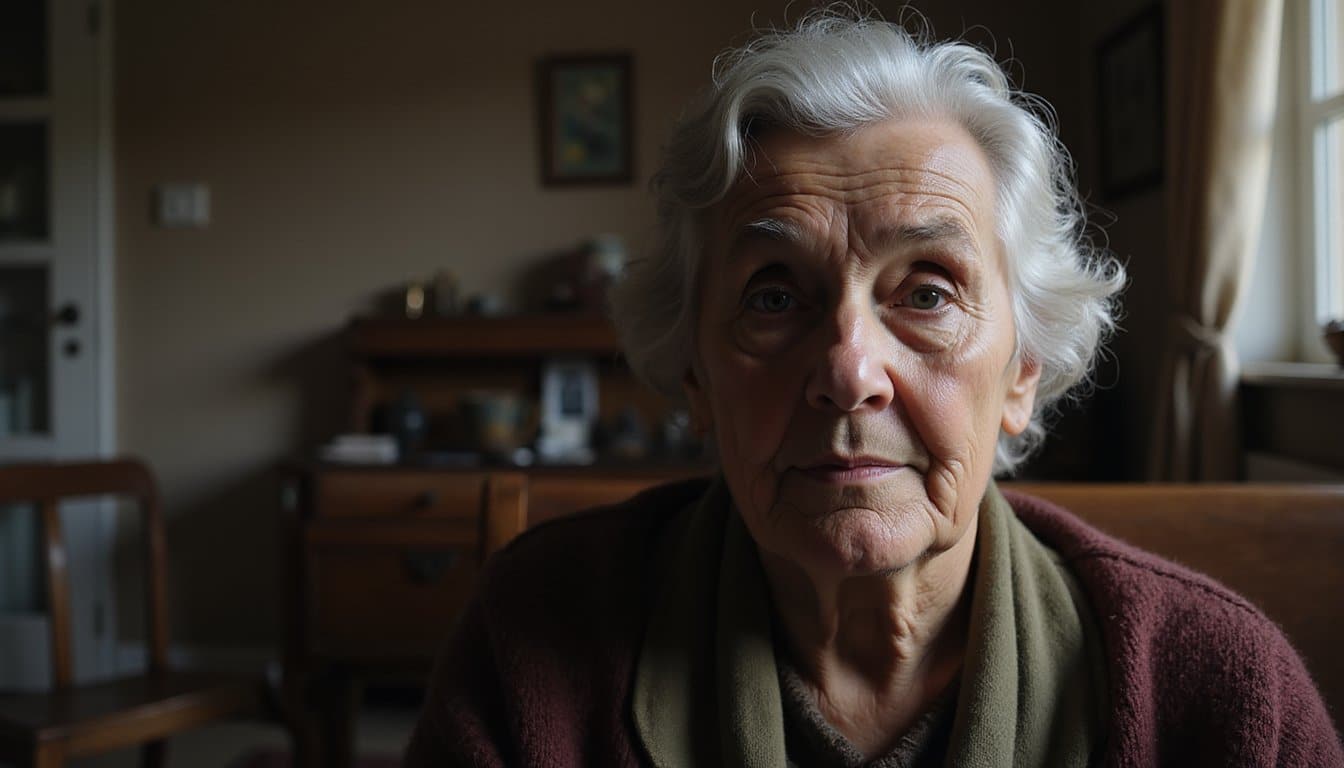
When war or genocide devastates a population, the psychological wounds don’t end with the survivors, they echo through subsequent generations in measurable ways. Research shows descendants of Holocaust and genocide survivors experience elevated rates of PTSD, depression, and anxiety compared to control groups. This represents a significant generational trauma example affecting millions worldwide.
You may recognize these transmission patterns in affected families:
- Disrupted parenting behaviors, survivors often display hyperarousal, emotional unavailability, and overprotection that shape children’s development
- Biological changes, sons of severely traumatized POWs show 1.11× higher mortality rates, suggesting epigenetic transmission
- Family silence, fragmented narratives about traumatic events create confusion and maladaptive meaning-making in later generations
These effects span psychological, social, and neurobiological domains across multiple generations. Research on Holocaust offspring reveals they tend to avoid conflicts and competitions, displaying more cautious and submissive behaviors, while also experiencing heightened worry about interpersonal relationships. Many survivors also developed a future-oriented mindset, becoming determined to achieve more than their parents as a response to their traumatic experiences.
How Displacement Creates Generational Trauma in Refugee Families
When you’re forced to flee your homeland, you don’t just lose a physical place, you lose the cultural anchors that define who you are and how you raise your children. Displacement disrupts the parenting patterns you learned from your own family, often replacing them with survival-focused responses shaped by chronic stress and uncertainty. These experiences can instill deep-seated fear and mistrust that you may unconsciously pass to your children, even when the immediate danger has long passed. Research shows that mental health problems persist in refugee families for years after resettlement, affecting not just those who lived through the original trauma but their descendants as well.
Loss of Cultural Identity
Displacement strips away more than physical safety, it severs the cultural threads that connect generations to their history, identity, and sense of belonging. When you’re forced to leave your homeland, you don’t just lose a place, you lose the daily rituals, language, and practices that define who you are. This cultural trauma compounds across generations.
The effects manifest in specific ways:
- Language erosion: When you stop speaking your heritage language daily, you lose access to stories, values, and wisdom that can’t translate
- Identity confusion: Your children may feel “incomplete belonging”, neither fully connected to their ancestral homeland nor fully accepted in their new country
- Cultural bereavement: You experience persistent grief, nostalgia, and preoccupation with a way of life that’s no longer accessible
Disrupted Parenting Patterns
Cultural loss doesn’t occur in isolation, it reshapes how parents connect with and raise their children. When you’ve experienced war, forced migration, or prolonged displacement, chronic stress depletes your emotional reserves. Research shows this exhaustion leads to withdrawal, reactive discipline, and difficulty responding to your child’s needs, patterns that become generational family trauma.
Separation during flight or staggered resettlement disrupts attachment bonds, increasing risks for both punitive parenting and childhood behavioral problems. You may find yourself oscillating between over-controlling behavior and permissive guilt-driven responses, creating inconsistency your children may later replicate.
Role reversals also emerge when children assume adult responsibilities during displacement, then resist parental authority after reunification. These disrupted parenting patterns aren’t personal failures, they’re predictable responses to extraordinary circumstances that require targeted support to interrupt the cycle.
Inherited Fear and Mistrust
Beyond the disrupted parenting patterns that displacement creates, refugee families often pass down something equally profound: a deep-seated fear and mistrust that shapes how subsequent generations perceive safety in the world.
This community trauma manifests in specific ways:
- Chronic hypervigilance: You may find yourself constantly scanning for danger, experiencing heightened anxiety during geopolitical events, and developing somatic complaints tied to prolonged stress activation.
- Institutional mistrust: You’ve inherited skepticism toward government agencies, legal systems, and authority figures, particularly when post-migration racism confirms your family’s warnings about powerful institutions.
- Social guardedness: You might withdraw from host society relationships, avoid disclosing family history, and struggle with educational or employment engagement due to anticipated rejection.
These inherited responses aren’t irrational, they’re adaptive strategies passed down from ancestors who survived genuine threats.
How Poverty and Violence Become Generational Trauma
When poverty persists across generations, it doesn’t simply limit financial resources, it creates conditions where trauma becomes almost unavoidable. You face higher exposure to violence, family disruption, and adverse childhood experiences. Food insecurity, unsafe housing, and community violence compound stress in ways that pass from one generation to the next.
This represents a clear example of generational trauma operating at structural levels. If you grow up in high-poverty neighborhoods, you’re more likely to witness shootings, experience family violence, and encounter intensive policing that disrupts attachment bonds. These exposures increase your risk of developing complex traumatic stress, emotional dysregulation, and later mental health challenges.
The psychological impacts, depression, anxiety, reduced employment capacity, then contribute to ongoing economic instability, perpetuating the cycle for your children.
Signs of Generational Trauma in Your Own Family
Generational trauma often leaves identifiable traces in your family system long before anyone names it. You might notice recurring patterns, relationship cutoffs, chronic anxiety, or substance abuse, appearing across multiple generations without clear present-day triggers. These signs reflect the various types of generational trauma that can shape emotional norms within families. The causes of generational trauma is essential for breaking the cycle and fostering healing. By addressing these underlying issues, families can work towards creating healthier dynamics and cultivating resilience. This process not only involves acknowledging past pain but also actively engaging in conversations that promote emotional well-being across generations.
Consider whether these patterns exist in your family:
- Repeated emotional responses: Widespread hypervigilance, difficulty expressing feelings, or disproportionate anger across relatives suggests inherited stress responses.
- Unspoken communication rules: Strong prohibitions against discussing feelings or seeking outside help often indicate protective adaptations from past trauma.
- Shared physical symptoms: Clusters of sleep disturbances, chronic pain, or unexplained health issues may signal stress carried through generations.
Recognizing these signs is your first step toward breaking inherited cycles.
Frequently Asked Questions
Can Generational Trauma Be Fully Healed, or Does It Always Leave Some Lasting Effects?
You can achieve significant healing from generational trauma through therapy, supportive relationships, and community connection. Research shows trauma-focused treatments like TF-CBT and EMDR reduce symptoms and can even normalize stress hormones and epigenetic markers. However, some biological vulnerabilities, like heightened stress sensitivity, may persist in certain lineages. While you won’t necessarily carry visible wounds, complete erasure of all effects isn’t guaranteed. Meaningful recovery is absolutely possible, even if subtle traces remain.
How Long Does It Typically Take to Break Generational Trauma Cycles?
There’s no fixed timeline for breaking generational trauma cycles, it depends on trauma severity, available resources, and when you begin intervention. You might see meaningful shifts within months of consistent therapy, while deeper patterns often require years of sustained effort. If you’re facing ongoing systemic barriers like poverty or discrimination, progress typically takes longer. Starting earlier in life and having strong support systems can considerably/substantially/markedly accelerate your healing journey.
Can Therapy Help if Other Family Members Refuse to Acknowledge Generational Trauma?
Yes, therapy can absolutely help you heal even when family members refuse to acknowledge generational trauma. Research shows that your interpretation and processing of inherited trauma matters more than whether relatives validate your experience. Through trauma-focused approaches like EMDR or narrative therapy, you’ll develop emotion regulation skills, reframe painful patterns, and build healthier relationships, regardless of your family’s stance. Your individual healing can break cycles and benefit future generations.
Are Some People Naturally More Resilient to Inheriting Generational Trauma Than Others?
Yes, research suggests you may have natural differences in resilience to generational trauma. Your genetic makeup, neurobiological wiring, and stress-response systems all influence how susceptible you are. Additionally, psychological factors like your sense of coherence, coping style, and self-esteem play significant roles. However, these biological predispositions interact with your environment, supportive relationships, positive parenting, and healthy family communication can strengthen your resilience, even if you weren’t born with inherent protective factors.
Can Generational Trauma Affect Physical Health Conditions Beyond Mental Health Issues?
Yes, generational trauma can markedly affect your physical health. Research shows it alters stress regulation systems, including HPA-axis function and cortisol responses, which increases your vulnerability to chronic conditions. You may face elevated risks for heart disease, hypertension, diabetes, and obesity. Studies of famine survivors’ offspring and Civil War POWs’ children demonstrate measurable impacts on lifespan and mortality. These biological changes can embed across generations, affecting your body alongside your mind.