
Suicidal thoughts and suicidal intent aren’t the same. Thoughts about dying can occur without any determination to act. Intent emerges when those thoughts pair with a resolve to follow through, and it signals heightened risk, even when a concrete plan is absent. Understanding where you fall on this spectrum, from passive wishes to active planning, helps match care to your needs. Knowing the clinical distinctions ahead can help you recognize when it’s time to seek support.
Key Takeaways
- Suicidal thoughts can occur without any intention to act, while intent emerges when thought pairs with determination to follow through.
- Intent signals heightened risk compared with thoughts alone, even when a concrete plan is absent.
- Passive ideation involves thoughts of dying without a method, plan, or intent, representing lower spectrum risk.
- Active ideation includes a specific plan, determined intent, or preparatory behavior, and is treated as a psychiatric emergency.
- All expressions warrant serious clinical attention because passive ideation can predict future escalation and attempts.
What is the difference between suicidal thoughts and suicidal intent

The difference is that a person can experience frequent, distressing thoughts without any intention to act on them. Intent emerges when thought pairs with the determination to follow through, sometimes even without a concrete plan. Recognizing this difference helps you assess risk accurately and respond with appropriate care.
What is suicidal ideation
Suicidal ideation describes the broader pattern and clinical significance of thoughts about ending one’s life. It ranges from passive wishes to die without a plan to active planning with determined intent. Understanding where your thoughts fall on this spectrum helps you and your clinician gauge risk accurately. Speaking up about suicidal ideation is crucial for seeking help and understanding one’s mental health needs. When individuals openly discuss their feelings, it fosters an environment of support and connection.
Consider these three key dimensions:
- Passive ideation, you experience thoughts of dying or being better off dead, but without a concrete method or plan.
- Active ideation, you have a specific plan, intent, or preparatory behavior.
- Clinical significance, the frequency, intensity, and duration of your thoughts determine the level of concern and appropriate intervention.
What is suicidal intent


Suicidal intent reflects your actual motivation and likelihood of acting on your thoughts. Suicidal intent describes the specific intention or determination to carry out a suicidal act, moving beyond thought into readiness for action. You might experience intent even without a fully formed plan. The resolve to act itself signals heightened risk. Sometimes you express intent by specifying how you’d carry out your urges, which clearly distinguishes this from passive ideation. In rarer cases, subconscious intent drives self-harming behavior without your full awareness of its purpose. Because intent measures the probability of action, clinicians treat active ideation paired with determined intent as a psychiatric emergency, requiring immediate, aggressive management to protect your safety and support your recovery. Cycles of suicidal thinking can create a dangerous feedback loop that intensifies your emotional pain. When these cycles are frequent, it can become increasingly difficult to see a way out or to realize that help is available.
What is the difference between passive and active suicidal ideation
The difference between passive and active suicidal ideation lies in whether a concrete method, plan, or intent to act is present. Passive ideation involves thoughts of dying or being better off dead without a concrete method, plan, or intent to act. Active ideation includes a specific plan, determined intent, or preparatory behavior. Recognizing passive vs active suicidal ideation guides how urgently you seek help.
| Passive Ideation | Active Ideation |
|---|---|
| Wishing you were dead | Having a specific plan |
| No method or intent | Determined intent to act |
| Lower risk spectrum | Psychiatric emergency |
If you’re experiencing active ideation with intent and a plan, that’s a psychiatric emergency requiring immediate, aggressive management. Passive thoughts still warrant compassionate clinical attention and monitoring.
Why does this distinction matter for risk and care
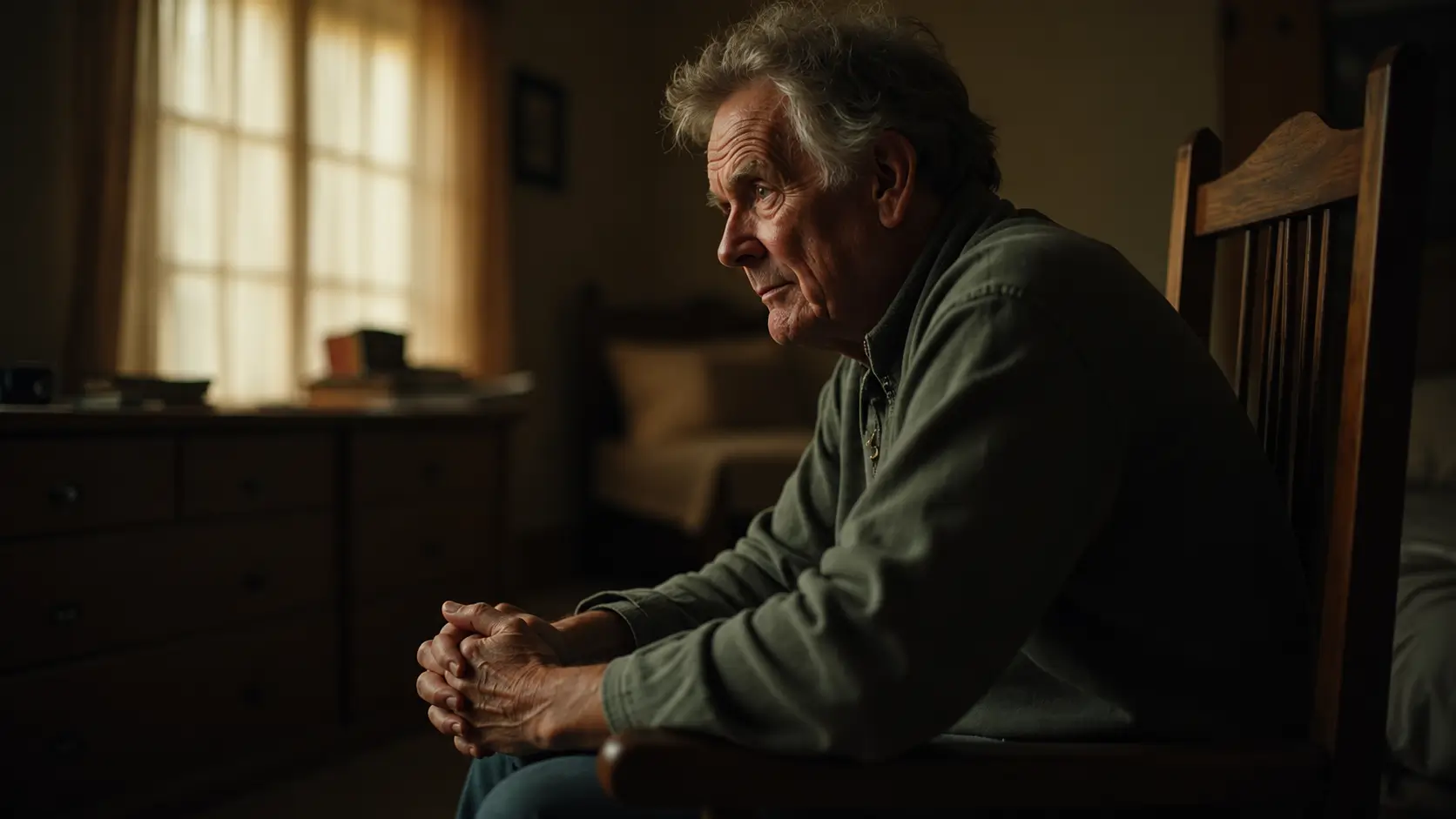
This distinction matters for risk and care because the ideation-to-action framework treats developing suicidal thoughts and acting on them as distinct processes with different predictors, which directly shapes how clinicians assess risk and match care to need. When you recognize passive ideation, you’re identifying despair that warrants monitoring and support. When you detect active ideation with suicidal intent, you’re facing a psychiatric emergency demanding immediate intervention.
Passive ideation warrants monitoring and support; active ideation with intent demands immediate intervention. Recognizing the difference shapes care.
This distinction guides your clinical response in three ways:
- Triage, you match urgency to severity, escalating care when intent, plan, or preparatory behavior emerges.
- Safety planning, you sequester lethal means and mobilize support proportionate to acquired capability.
- Documentation, you record whether ideation is passive or active, justifying your risk determination.
Getting this right protects lives and preserves compassionate, targeted care.
Why all expressions should be taken seriously
All expressions should be taken seriously because passive suicidal ideation, though it sits at the lower end of the risk spectrum, remains a significant predictor of future attempts. Distinguishing passive ideation from active intent sharpens your clinical response, but it never justifies dismissing thoughts that seem lower-risk. Someone expressing a wish to die without a plan today may develop intent tomorrow, especially when risk factors like substance use, recent losses, or access to lethal means accumulate. You can’t assume that the absence of a plan means safety. Take every expression seriously by documenting it, exploring its frequency and intensity, and reassessing regularly. Your responsiveness communicates that the person’s pain matters, strengthening the connectedness that protects against escalation. Treating all disclosures with genuine concern keeps you alert to shifting risk and preserves trust. Understanding unbearable emotions can reveal insights about someone’s mental state that might go unnoticed. Creating a safe, judgment-free space to express these feelings and validating their experiences helps them navigate emotional turmoil.
How Villa Healing Center assesses and helps
Villa Healing Center assesses your risk through a structured assessment that quantifies it rather than guessing at it. Using validated tools like the C-SSRS and SAFE-T, we determine whether you’re experiencing passive thoughts or active suicidal ideation with a plan or intent. Our clinicians document:
We quantify your risk with validated tools, distinguishing passive thoughts from active ideation to ground care in evidence.
- The presence, frequency, intensity, and duration of your thoughts to establish clinical significance.
- Your access to lethal means, alongside relevant risk factors and protective factors shaping your outcome.
- A tailored safety plan, including sequestered means, emergency contacts, and hotlines accessible across your devices.
From there, we match interventions to your assessed risk level. If you’re in crisis, we act immediately, because you deserve care grounded in evidence and delivered with compassion.
Reach Out Before Thoughts Turn to Intent
Wherever you fall on the spectrum, from a passive wish to die to active planning, your pain deserves a real clinical response. Villa Healing Center provides treatment for suicidal thoughts and ideation using validated risk assessment and safety planning matched to your needs. Verify your insurance or call (888) 669-0661 to talk with someone now.
One note: if someone is in immediate danger, a residential admissions line isn’t the fastest help. You may want to place a crisis resource (988 Suicide and Crisis Lifeline, call or text) directly above or below this CTA on the page, so a reader in acute crisis has an instant option alongside the treatment pathway.
Frequently Asked Questions
Can Suicidal Ideation Occur Without Any Underlying Mental Health Diagnosis?
Yes, you can experience suicidal ideation without a diagnosed mental health condition. According to the ideation-to-action framework, suicidal desire often arises from unbearable psychological pain, thwarted belongingness, or perceived burdensomeness, factors that don’t require a formal diagnosis. Recent losses, isolation, or overwhelming stress can trigger these thoughts. If you’re struggling, your experience is still valid and significant. Don’t hesitate to reach out for support and professional assessment.
How Long Do Suicidal Thoughts Typically Last During a Crisis?
Suicidal thoughts during an acute crisis often peak and pass within minutes to hours, though the intensity can feel unbearable in the moment. You’re experiencing a temporary surge, not a permanent state. This is why sequestering lethal means matters so much, it creates distance during those critical windows. If you’re in crisis right now, reach out to a hotline or emergency services. You don’t have to weather this alone.
Are Certain Age Groups More Prone to Suicidal Ideation?
Yes, certain age groups do face heightened vulnerability. You’ll find that adolescents, young adults, and older adults often show elevated risk, though the contributing factors differ across life stages. What matters most isn’t just your age, it’s the presence of risk factors like prior attempts, substance use, access to lethal means, and recent losses. If you’re struggling at any age, please reach out for professional support. You’re not alone.
Can Medications Trigger or Worsen Suicidal Thoughts?
Yes, certain medications can trigger or worsen suicidal thoughts, especially when you’re starting a new prescription or adjusting your dose. If you notice increasing despair or new thoughts of dying, don’t ignore them, tell your prescriber right away. Documenting the frequency, intensity, and duration of these thoughts helps your clinician assess your risk. You shouldn’t stop any medication abruptly on your own; reach out for professional guidance and support immediately.
How Can Family Members Support Someone After a Suicidal Crisis?
You can support your loved one by sequestering lethal means, locking up medications, firearms, knives, and rope, to prevent immediate access. Remove drugs and alcohol, since they increase impulsivity and cloud problem-solving. Create an action plan listing doctors, hospital ERs, and hotlines accessible on all devices. Ask tough, direct questions about self-harm thoughts to detect deteriorating judgment. If risk escalates, contact a professional, transport them to the ER, or call police if they resist.