
When anxiety triggers your fight-or-flight response, your body releases a surge of adrenaline that causes rapid cardiovascular changes. Your panicked breathing depletes carbon dioxide, constricting blood vessels and reducing oxygen flow to your brain.
Your nervous system then overcorrects, blood pools below your diaphragm, your vagus nerve activates aggressively, and your blood pressure plummets. This vasovagal response causes the lightheadedness and fainting you’re experiencing.
These mechanisms are commonly described as anxiety induced dizziness, where physiological stress responses directly create sensations of faintness and imbalance. Understanding how anxiety triggers lightheadedness and fainting through specific triggers and warning signs can help you prevent future episodes.
Why Anxiety Makes You Faint (And Why You’re Not Dying)

When anxiety strikes, your body launches a cascade of physiological responses that can leave you feeling lightheaded or faint, but here’s what you need to know: you’re not dying. The neurobiological mechanism behind anxiety causing dizziness involves hyperventilation, which depletes carbon dioxide in your blood. This triggers cerebral vasoconstriction, reducing blood flow to your brain. This type of hyperventilation syncope occurs with emotional stress or anxiety as a non-cardiac cause of fainting.
During a lightheaded panic attack, your blood pressure actually increases, pushing blood at higher pressure through your system. This paradoxically makes true anxiety and fainting relatively rare, your augmented pressure typically prevents unconsciousness. Additionally, anxiety activates your fight-flight-or-freeze response, releasing adrenaline and other stress hormones that prepare your body for perceived danger.
When fainting does occur, it’s benign syncope from temporarily reduced cerebral perfusion. Consciousness returns spontaneously once you’re horizontal. Unlike cardiac syncope, anxiety-induced episodes pose no mortal threat and require no emergency intervention. In cases of vasovagal syncope, the condition results from misfiring of the Vagus nerve, which causes a rapid drop in heart rate and blood pressure that triggers the fainting episode.
The Vasovagal Response: Your Body’s Dangerous Overcorrection
When your anxiety triggers an adrenaline surge, your body initiates a rapid cardiovascular response that can backfire dramatically. Within seconds of standing, 500, 1000 mL of your blood pools below your diaphragm, forcing your baroreflex system into overdrive as it doubles sympathetic nerve activity to compensate. This aggressive overcorrection sets the stage for vasovagal syncope, your nervous system’s dangerous attempt to stabilize circulation that ultimately causes the very blackout you’re trying to prevent.
Adrenaline Surge Gone Wrong
Your body’s adrenaline response, designed to protect you during stress, can paradoxically trigger the very fainting episode it’s meant to prevent. During panic attack lightheadedness, circulating epinephrine increases progressively, reaching levels five times greater than normal in VVS-prone individuals.
This epinephrine surge in VVS activates β2-receptors in your splanchnic arteries, causing vasodilation rather than the constriction you need. The result creates a short-lived arteriovenous shunt that temporarily supports cardiac output but sacrifices systemic vascular resistance and blood pressure.
Understanding why anxiety can make you feel faint requires recognizing this neurohormonal betrayal. Your adrenaline spillover begins early in the fainting sequence, redistributing blood flow away from your brain while your body interprets the situation as requiring sustained fight-or-flight activation.
Blood Pooling Causes Blackouts
During a vasovagal episode, blood pools in your extremities and abdomen as vasodilation widens vessels throughout your lower body, creating excess space in your circulatory system that gravity rapidly fills.
This blood pooling triggers a cascade of neurological failures:
- Your baroreceptors detect falling pressure but fail to initiate proper compensatory responses
- Your vagus nerve overactivates, releasing acetylcholine that slows cardiac conduction
- Your sympathetic nervous system suddenly withdraws, eliminating vasoconstriction
The connection between anxiety and lightheadedness becomes dangerous when parasympathetic dominance overrides normal reflexes. Your heart rate drops while blood pressure plummets simultaneously, and cerebral perfusion decreases rapidly, starving your brain of oxygen.
This vasodilation-induced hypotension, combined with bradycardia, produces the characteristic blackout. Lying flat immediately restores blood flow, resolving the syncope. Understanding these mechanisms also informs anxiety related dizziness treatment, which focuses on stabilizing both physiological responses and underlying anxiety triggers.
How Panicked Breathing Starves Your Brain
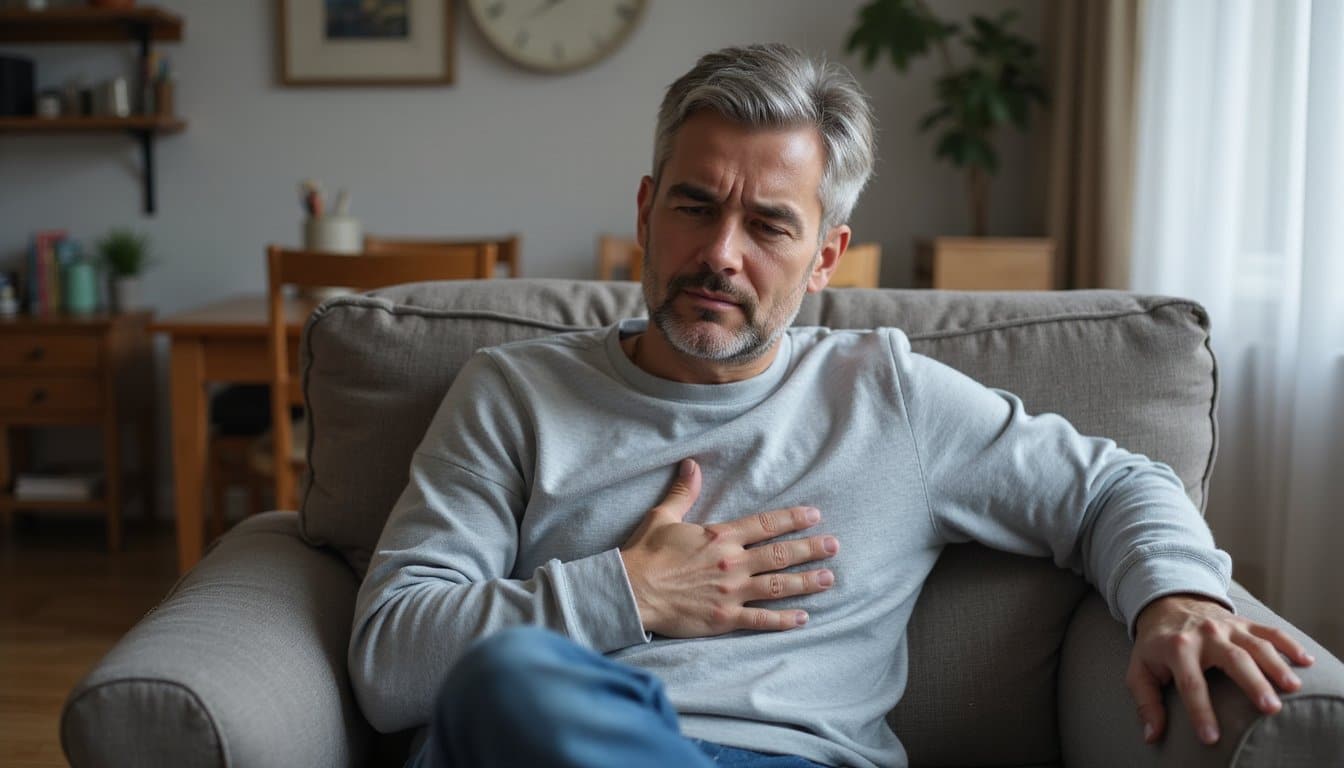
Panicked breathing triggers a paradoxical cascade that deprives your brain of oxygen even as you inhale more air. When you hyperventilate, you expel excessive carbon dioxide, causing blood gas imbalance that constricts cerebral blood vessels. This vasoconstriction reduces blood flow to your brain, resulting in cerebral hypoxia despite rapid inhalation. You’ll experience lightheadedness, confusion, and tingling as neurons receive insufficient oxygen for proper signaling.
| Mechanism | Brain Effect |
|---|---|
| CO2 depletion | Vessel constriction |
| Reduced blood flow | Oxygen deprivation |
| pH elevation | Neural dysfunction |
| Amygdala activation | Heightened fear response |
| Ion channel disruption | Impaired cognition |
Your brain interprets these oxygen fluctuations as danger, intensifying sympathetic arousal and perpetuating the panic cycle.
Anxiety Triggers Most Likely to Make You Faint
Your brain’s vasovagal response doesn’t activate randomly, specific triggers reliably initiate the cascade that drops your blood pressure and heart rate. Trauma reminders, needle exposure, and crowded environments represent the most potent anxiety-related precipitants for syncope. Understanding which situations activate your vagus nerve helps you anticipate and prevent fainting episodes before they occur.
Trauma and Emotional Shock
When trauma or emotional shock overwhelms your nervous system, the resulting vasovagal response can trigger syncope within seconds to minutes. Your body’s adrenergic activation surges, followed by a parasympathetic rebound that drops your mean arterial pressure rapidly. This anxiety feeling faint mechanism reflects neurobiological hypersensitivity developed through adverse experiences.
Research shows individuals with childhood trauma history report higher lifetime syncope rates, 14.2% compared to 10.9% in the general population. Key neurobiological factors include:
- Post-traumatic stress responses amplify emotional reactivity, increasing vasovagal episode frequency
- Early trauma exposure sensitizes your autonomic nervous system to stress light headed responses
- Dissociative experiences during parasympathetic surges compound trauma and emotional shock symptoms
You’ll experience prodromal warnings, pallor, nausea, diminishing vision, that signal impending syncope and allow preventive intervention.
Medical Procedures and Needles
Medical procedures involving needles stand out as potent vasovagal triggers, affecting 3-15% of the population with blood-injection-injury (BII) phobia. When you’re confronted with needles, your brain activates the same neural regions whether you’re experiencing the prick directly or merely observing it, illustrating why 77 of 630 UK clinical students reported near or actual fainting while watching surgery.
Your physiological response follows a distinctive biphasic pattern: initial hypertension and tachycardia plunge dramatically at the injection moment. This highlights how light headed anxiety manifests neurobiologically. Can anxiety cause lightheadedness in these settings? Research confirms 94.2% of needle-phobic individuals fear fainting, while 50% experience vasovagal responses. The dizziness panic attack connection stems from your autonomic nervous system’s paradoxical shutdown, causing sudden hypotension that compromises cerebral perfusion.
Crowded Spaces and Entrapment
Crowded spaces trigger a paradoxical autonomic response that accounts for 35% to 70% of all syncope cases, making vasovagal fainting the most frequent cause of consciousness loss in anxiety-prone environments.
Your fight-or-flight system overcorrects when you’re trapped in dense crowds, causing heart rate and blood pressure to plummet. Blood pools in your legs, starving your brain of adequate perfusion.
Claustrophobia affects 5% to 10% of the population severely, with entrapment fears exceeding suffocation concerns. The amygdala-frontal network disruptions mirror those seen in social anxiety disorders.
Warning signs before syncope:
- Tunnel vision with rapid heartbeat and profuse sweating
- Weak legs accompanied by auditory disturbances
- Pale skin and sudden temperature extremes
Controlled breathing and immediate sitting prevent full consciousness loss during these episodes.
Warning Signs an Anxiety Faint Is Coming
Your body produces distinct warning signals before an anxiety-induced faint, typically manifesting in a predictable sequence that lasts 30 seconds to several minutes. Recognizing these prodromal symptoms allows you to implement countermeasures before syncope occurs. Your body produces distinct warning signals before an anxiety-induced faint, typically manifesting in a predictable sequence that lasts 30 seconds to several minutes. In many cases involving anxiety and dizziness, recognizing these prodromal symptoms allows you to implement countermeasures before syncope occurs.
| Early Phase | Intermediate Phase | Late Phase |
|---|---|---|
| Rapid heartbeat | Tunnel vision | Vision darkening |
| Sweating | Blurry eyesight | Hearing loss |
| Nausea | Unsteady gait | Rubbery legs |
| Warmth sensations | Pale skin | Cold chills |
| Lightheadedness | Woozy sensation | White-out vision |
Hyperventilation reduces your CO2 levels, triggering cerebral vasoconstriction. You’ll notice your neck muscles tense, affecting vestibular function and equilibrium. The vasovagal response, responsible for 35-70% of fainting episodes, causes blood pressure to drop suddenly following an adrenaline surge.
What to Do When You Feel Faint From Anxiety

When you recognize the warning signs of an anxiety-induced faint, immediate intervention can prevent full syncope and potential injury.
Your body’s hyperarousal response triggers adrenaline surges that compromise cerebral blood flow. Acting quickly counteracts these physiological changes before consciousness loss occurs.
Immediate Steps to Prevent Fainting:
- Lower your body position, Sit or lie down immediately, elevating your legs above heart level to restore blood flow to your brain.
- Loosen restrictive clothing, Remove tight collars or waistbands that impede circulation and venous return.
- Remove yourself from triggers, Exit the anxiety-provoking environment to interrupt the stress response cycle.
Don’t place your head between your knees, this technique proves ineffective. Stay positioned until symptoms resolve completely, then rise slowly to prevent orthostatic hypotension.
Breathing Techniques That Stop Anxiety Fainting
Controlled breathing activates your parasympathetic nervous system, directly counteracting the sympathetic overdrive that triggers anxiety-related syncope.
Diaphragmatic Breathing
Place one hand on your chest, the other on your belly. Inhale through your nose, pushing your belly outward while your chest remains still. Exhale slowly through pursed lips. This technique maximizes oxygen exchange and lowers heart rate within minutes.
4-7-8 Breathing
Inhale for 4 counts, hold for 7, exhale forcefully for 8. Perform this seated, as initial dizziness may occur. NIH research confirms it activates parasympathetic pathways.
Box Breathing
Inhale for 4 counts, hold for 4, exhale for 4, hold empty for 4. This interrupts hyperventilation patterns that precipitate vasovagal responses.
Resonant Breathing
Breathe at 5 cycles per minute. This optimizes heart rate variability and increases vagal tone, stabilizing autonomic function.
Why Fainting From Anxiety Tends to Repeat
After you’ve experienced your first anxiety-related faint, your nervous system fundamentally rewires itself to respond more intensely to similar stressors. Your vagus nerve becomes hypersensitive, triggering heart rate and blood pressure drops faster during subsequent exposures. This sensitization means your threshold for vasovagal activation decreases considerably.
Your nervous system remembers that first faint, and rewires itself to trigger faster the next time.
Three primary mechanisms drive this recurrence pattern:
- Fear conditioning creates anticipatory anxiety that mimics prodromal symptoms, lowering your syncope threshold
- Hyperventilation habituation reduces blood carbon dioxide levels, constricting cerebral vessels and limiting brain perfusion
- Trigger sensitization causes previously neutral stimuli, crowds, medical settings, prolonged standing, to provoke disproportionate autonomic responses
Your fight-or-flight system overcorrects through adrenaline surges followed by sudden parasympathetic dominance, creating a self-perpetuating neurobiological loop.
When Anxiety Fainting Needs Medical Attention
Understanding this neurobiological cycle helps you recognize when fainting episodes fall within expected anxiety patterns, and when they don’t.
Your first fainting episode always warrants medical evaluation to rule out cardiac arrhythmias, hypotension, hyperthyroidism, or anemia, conditions that mimic anxiety symptoms. Seek emergency care immediately if you experience chest pain, palpitations, severe headache, slurred speech, or shortness of breath before losing consciousness. These indicate potential cardiovascular or neurological emergencies.
Duration matters diagnostically. Unconsciousness exceeding two minutes or delayed recovery once supine signals pathology beyond vasovagal syncope. Seizure activity during episodes requires neurological assessment.
Your risk profile determines urgency. Any cardiac history, previous infarction, arrhythmia, or surgery, transforms fainting into a medical emergency. Syncope during exertion, while seated, or occurring without prodromal warning particularly in patients over 60 demands immediate investigation for cardiac syncope.
Begin Your Healing Journey Today
Frequently Asked Questions
Can Certain Medications Make Anxiety-Related Fainting Episodes More Likely to Occur?
Yes, certain medications can increase your risk of anxiety-related fainting episodes. Beta-blockers and blood pressure medications lower your blood pressure, amplifying hypotension when anxiety strikes. Benzodiazepines and hypnosedatives cause sedation that combines with hyperventilation-induced lightheadedness. Antipsychotics trigger orthostatic hypotension, while multiple antidepressants compound fall risk through sedative effects. If you’re taking these medications and experiencing vasovagal tendencies, you should consult your healthcare provider about potential adjustments.
Does Lying Down Immediately After Fainting From Anxiety Speed up Recovery?
Yes, lying down immediately after fainting from anxiety markedly speeds up your recovery. When you’re supine, gravity assists blood flow back to your brain, rapidly restoring cerebral perfusion. Your blood pressure stabilizes faster, and hyperventilation-induced vessel constriction resolves quickly. This position also interrupts the anxiety-fainting cycle by correcting the vasovagal response. You’ll want to remain lying down for at least 30 minutes to normalize adrenaline levels and prevent re-fainting.
Can Children and Teenagers Experience Anxiety-Induced Fainting Differently Than Adults?
Yes, you’ll notice distinct differences in how youth experience anxiety-induced fainting. Children struggle to verbalize anxiety, expressing it through stomachaches and tantrums instead. Teenagers face heightened vasovagal responses due to hormonal surges and circulatory changes, with syncope peaking around age 15. You’ll observe that emotional triggers provoke fainting more readily in young patients, and their prodromes often prove more intense than adults’. Youth also demonstrate higher psychopathology rates associated with syncope episodes.
Do Compression Stockings Work Better Than Other Physical Prevention Methods?
Compression stockings offer comparable effectiveness to other physical counterpressure maneuvers, though they’re not definitively superior. You’ll find they reduce blood pooling through graduated pressure, improving venous return to your brain. Studies show modest benefit, 29.1% versus 34.8% recurrence rates, but results aren’t statistically significant. You’ll achieve ideal results by combining stockings with abdominal binders, increased hydration, and salt intake rather than relying on any single intervention alone.
How Long Should Someone Wait Before Driving After an Anxiety Fainting Episode?
You should wait at least six months before driving after an anxiety-related fainting episode, though state laws vary. If your doctor identifies the specific trigger and confirms effective treatment, such as successful ERP therapy addressing your anxiety’s somatic symptoms, you may resume driving sooner, sometimes after one month of verification. If you’ve experienced vasovagal syncope with no episodes in the past year, you’ll likely face no restrictions.