
Yes, kratom withdrawal can cause depression, and it’s often the most challenging symptom to manage. When you stop using kratom, dopamine and serotonin levels drop sharply, triggering anhedonia, emotional instability, and deep sadness that typically peaks around days 3 to 4.
This also raises the question can withdrawal cause anxiety, and the answer is yes, similar neurochemical disruptions can lead to heightened nervous system activity, restlessness, and increased anxiety alongside depressive symptoms.
You can cope by maintaining strict sleep hygiene, incorporating daily physical activity, and seeking professional mental health support. Understanding the full withdrawal timeline and when medical intervention is necessary can make the difference between relapse and lasting recovery.
Yes, Kratom Withdrawal Can Cause Depression

Although many users expect kratom cessation to produce only physical discomfort, the depressive component of withdrawal is one of its most consistent and clinically significant features. Kratom withdrawal triggers measurable drops in dopaminergic and endogenous opioid activity, producing what clinicians recognize as substance-induced depressive disorder, sadness, hopelessness, anhedonia, and motivational collapse that emerge within hours of your last dose.
You’re not imagining it. Depression after kratom detox peaks during days one through three, then persists as emotional instability in early recovery well beyond physical symptom resolution. For heavy, long-term users, post-acute withdrawal syndrome can sustain depressive episodes for weeks. Your risk increases substantially if you have a pre-existing mood disorder or concurrent substance use disorder, making professional monitoring critical during cessation. Because kratom remains federally unscheduled but is classified as a drug of concern by the FDA, the lack of standardized regulation means users often underestimate the severity of withdrawal depression tied to inconsistent dosing. Consistent support, therapy, and lifestyle changes are essential for ensuring lasting recovery during the post-acute phase.
Why Kratom Withdrawal Triggers Depression
Because kratom’s primary alkaloids act directly on mu-opioid receptors, daily use forces your brain into a predictable neuroadaptive trap: receptor density decreases, endogenous opioid production drops by an estimated 40 to 60% below baseline, and the mesolimbic dopamine pathway recalibrates around an external chemical it never evolved to depend on.
The kratom withdrawal depression link stems from simultaneous disruption across multiple neurotransmitter systems. Dopamine depletion after cessation drives anhedonia, while serotonin imbalance destabilizes emotional regulation. Stress response activation through noradrenergic rebound intensifies agitation, often meeting substance-induced mood disorder criteria. The potential ramifications of substance withdrawal are significant, leading one to question if can weed withdrawal cause depression. This phenomenon can exacerbate pre-existing mood disorders and result in a challenging emotional landscape for individuals trying to regain stability.
| Neurochemical System | Withdrawal Effect | Clinical Outcome |
|---|---|---|
| Dopamine | 50-70% activity reduction | Anhedonia, motivational collapse |
| Serotonin | 5-HT2A downregulation | Mood instability, hopelessness |
| Endogenous opioids | 40-60% suppression | Emotional pain amplification |
| Norepinephrine | Rebound hyperactivity | Anxiety, agitation |
| Cortisol | Sustained elevation | Sleep disruption, cognitive fog |
Implementing coping strategies during withdrawal early, before peak symptoms hit days 2-4, significantly improves outcomes. Implementing coping strategies during withdrawal early, before peak symptoms hit days 2, 4, significantly improves outcomes.This is especially important when considering can caffeine withdrawal cause anxiety and depression, as early intervention with sleep regulation, hydration, and gradual tapering can reduce the severity of both mood and anxiety-related symptoms during this critical window.
How Long Does Kratom Withdrawal Depression Last?

The timeline of kratom withdrawal depression follows a predictable but individually variable pattern, with acute-phase symptoms typically emerging within 24 to 72 hours of your last dose and peaking around days 3 to 4 before gradually tapering over 1 to 2 weeks. What catches most people off guard is the post-acute phase, where depression, anhedonia, and emotional flatness can persist for several weeks beyond the resolution of physical symptoms, particularly if you’ve used kratom daily at doses exceeding 5 grams for more than 2 years. Your specific recovery timeline depends on measurable factors, daily dose, duration of use, pre-existing mood disorder history, and whether you’re tapering or stopping abruptly, each of which directly influences how long receptor systems take to restore baseline function.
Acute Phase Depression Duration
Within hours of your last kratom dose, typically between 6 and 12, the earliest psychological shifts begin surfacing: restlessness, irritability, a creeping anxiety that doesn’t attach to any specific thought, and cravings that feel disproportionate to what many users expected from a “natural supplement.” This early withdrawal window represents the initial neurochemical recalibration as mitragynine and 7-hydroxymitragynine clear mu-opioid receptors faster than the brain can restore endogenous opioid tone. Depression intensifies sharply between days 1 and 3, peaking around days 3 to 4 as mesolimbic pathway dopamine activity drops. This acute withdrawal timeline mirrors patterns documented in opioid use disorder populations. If you have a history of major depressive disorder, this peak phase carries heightened clinical risk. Emotional volatility, agitation, and mood instability dominate before gradually easing between days 5 and 7.
Post-Acute Lingering Symptoms
Once acute withdrawal’s sharpest edges dull, typically around days 5 through 7, many people assume they’ve cleared the worst of it. That assumption is wrong. Post-acute withdrawal depression often emerges during weeks 2 through 4, persisting for months as your brain chemistry restoration timeline unfolds slowly. Anhedonia, emotional dysregulation, and stress hormone elevation after stopping kratom don’t resolve on a predictable schedule, they arrive in unpredictable waves.
Protracted withdrawal symptoms include lingering sadness, cognitive fog, irritability, and sleep disturbances that disrupt daily functioning well beyond the acute phase. You may experience emotional numbness one week, then intense mood swings the next. These fluctuations reflect ongoing neurochemical recalibration, not personal failure. Professional support during this window is critical because post-acute withdrawal depression carries real relapse risk when left unmanaged.
Recovery Timeline Factors
How long kratom withdrawal depression actually lasts depends on a set of measurable variables, not guesswork, not willpower, and not a one-size-fits-all calendar. Your daily dose of Mitragyna speciosa, duration of use, and individual metabolism directly shape recovery speed. Higher doses drive deeper opioid receptor dysregulation, requiring longer neurological recalibration. Depleted dopamine and serotonin levels don’t normalize overnight, your brain needs weeks to restore baseline signaling. Norepinephrine rebound intensifies anxiety alongside depression, compounding emotional distress. Chronic use dysregulates your hypothalamic-pituitary-adrenal axis, prolonging stress reactivity well past acute withdrawal. If you’ve used kratom daily for over two years, expect psychological symptoms to persist beyond the typical 2-3 week acute window. Pre-existing mood disorders, polysubstance use, and overall physical health further influence your specific timeline. Professional clinical support measurably shortens recovery duration.
The Kratom Withdrawal Timeline, Week by Week
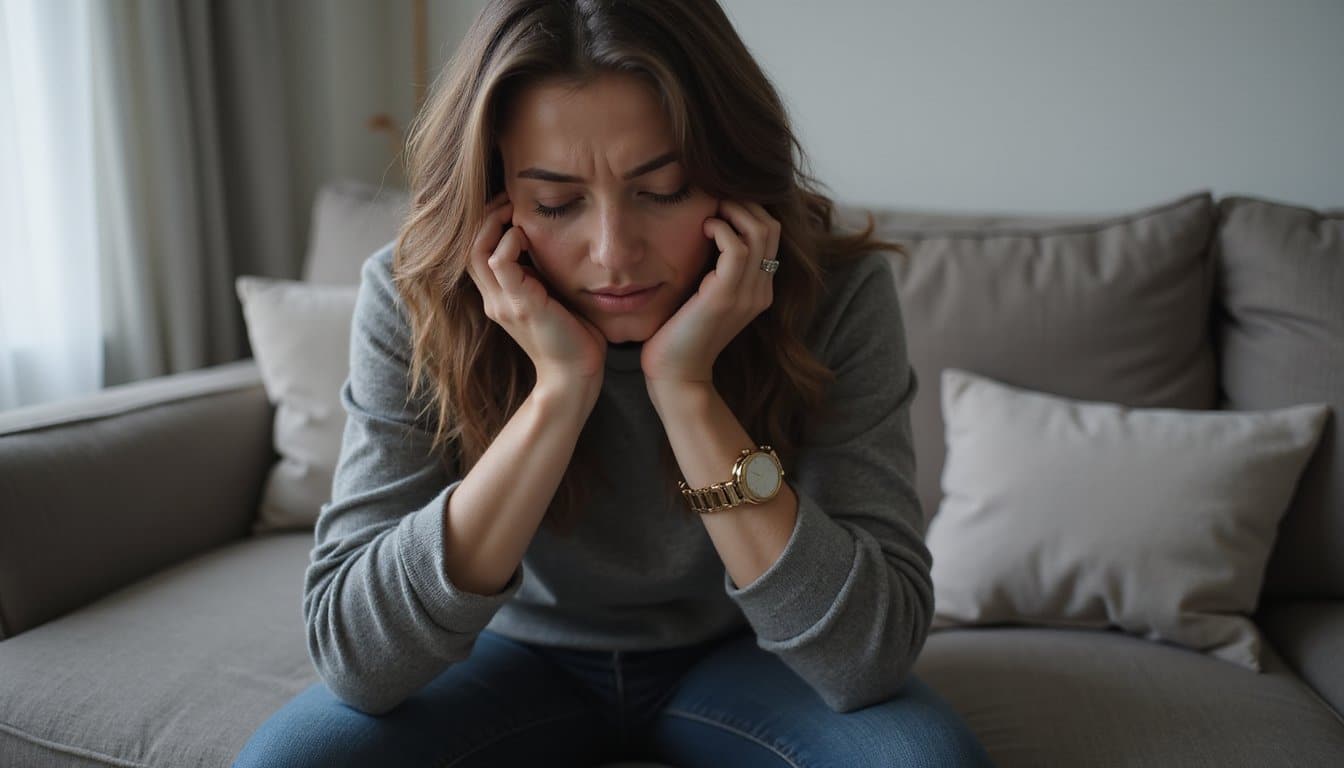
The first 12 hours after your last kratom dose mark the opening window of withdrawal, and what happens during this period depends heavily on how much you’ve been taking, how long you’ve been taking it, and your individual metabolism. Mild symptoms, runny nose, watery eyes, muscle aches, emerge first as cortisol levels begin rising. Anxiety and restlessness follow quickly, signaling early opioid receptor rebound. Your clinician should initiate psychiatric comorbidity screening at this stage, particularly if you have a mood disorder history meeting DSM-5-TR criteria. By hours 12, 24, sweating, agitation, nausea, and bone pain intensify. Medications like clonidine can blunt autonomic hyperactivity, while buprenorphine may be considered for severe dependence cases. Cravings escalate sharply, and flu-like symptoms establish themselves as withdrawal fully activates across multiple receptor systems.
Anxiety, Cravings, and Insomnia Make It Worse
Beyond the raw neurochemistry of receptor rebound and dopamine collapse, three specific symptoms, anxiety, cravings, and insomnia, operate as force multipliers that deepen kratom withdrawal depression far beyond what the opioid deficit alone would produce. Each symptom drives limbic system dysregulation, compounding emotional instability in ways that meet the American Psychiatric Association’s DSM-5 substance-induced depression criteria.
| Symptom | Depressive Impact |
|---|---|
| Anxiety | Hypervigilance exhausts emotional reserves, intensifying hopelessness |
| Cravings | Averaging 89.9/100 intensity, they hijack cognitive focus and amplify despair |
| Insomnia | Sleep loss within 6, 24 hours of cessation directly worsens mood dysregulation |
| Combined effect | Cyclical escalation, where each symptom worsens the others |
The Substance Abuse and Mental Health Services Administration’s SAMHSA treatment guidelines recommend evidence-based addiction treatment addressing all three symptoms simultaneously rather than isolating depression alone.
Physical Symptoms That Deepen the Depression
Your body’s withdrawal symptoms aren’t separate from your depression, they’re actively feeding it. The muscle aches, nausea, sweating, and bone-deep fatigue that dominate the first week of kratom cessation create a physiological stress load that amplifies dopaminergic deficits already driving your depressed mood, while the insomnia that accompanies withdrawal strips away the restorative sleep your brain needs to begin recalibrating its endogenous opioid and serotonin systems. When chronic pain and sleep deprivation operate simultaneously, they create a feedback loop where physical suffering deepens emotional distress, and emotional distress lowers your pain threshold, making every withdrawal symptom feel measurably worse.
Pain Fuels Emotional Distress
While the neurochemical disruption of kratom withdrawal drives depression at the receptor level, the physical symptoms occurring simultaneously don’t just coexist with that depression, they actively deepen it through measurable physiological feedback loops that compound emotional distress in real time.
- Muscle aches peak around day 4, creating persistent physical pain that impairs daily functioning and amplifies mood instability through sustained stress signaling
- Gastrointestinal distress, nausea, vomiting, cramping, emerges within 12-24 hours, disrupting concentration and decision-making during your most emotionally vulnerable window
- Autonomic hyperactivity produces excessive sweating and fever that signal an underlying neurochemical imbalance directly affecting mood regulation centers
- Tremors developing 24-48 hours post-cessation compound feelings of helplessness, reinforcing psychological cravings through constant physical reminders of withdrawal
- Sensory disruption, including temporary vision changes, diverts cognitive resources away from emotional coping when you need them most
Sleep Loss Worsens Mood
Insomnia ranks among the most universally reported kratom withdrawal symptoms, and it doesn’t just coexist with depression, it mechanistically worsens it through disruption of the same neurotransmitter systems already destabilized by cessation. When kratom’s calming receptor activity disappears, rebound restlessness prevents restorative sleep within the first 24 hours. This sleep disturbance compounds rapidly: your brain can’t consolidate emotional regulation without adequate rest.
How to Cope With Kratom Withdrawal Depression
Nearly two-thirds of daily kratom users report depressive symptoms during withdrawal, and that statistic alone should reframe how you approach cessation: not as a matter of willpower, but as a neurochemical event requiring deliberate, structured intervention. Low mood after stopping kratom reflects receptor-level disruption, not personal failure.
Target these core symptoms directly:
- Irritability and sadness: Seek professional mental health support during acute withdrawal to stabilize emotional dysregulation.
- Insomnia and sleep disturbance: Maintain strict sleep hygiene, consistent schedules, no screens before bed, to interrupt the sleep-mood deterioration cycle.
- Fatigue and low energy: Incorporate daily physical activity, even brief walks, to stimulate endogenous dopamine production.
- Cravings and relapse risk: Engage structured aftercare programs that address depressive symptoms during detox as a primary relapse driver.
- Social withdrawal: Maintain meaningful connections to counteract isolation-driven depression.
When Kratom Withdrawal Needs Professional Help
Most people who stop using kratom will experience some degree of discomfort, but a critical subset, roughly 8.5% of users who meet criteria for severe Kratom Use Disorder, face withdrawal that demands medical intervention, not self-management. Withdrawal severity predictors include daily doses exceeding 20g, prior opioid use disorder, and persistent kratom cessation mood changes lasting beyond two weeks.
| Indicator | Threshold | Intervention |
|---|---|---|
| Daily intake >20g | Buprenorphine 12/3, 16/4 mg | Clinical monitoring during detox |
| Co-occurring depression | Hamilton score >20 | Antidepressant therapy in dual diagnosis |
| Failed self-taper | Ongoing cravings, relapse | Medication-assisted treatment considerations |
Clinical management of withdrawal symptoms may require buprenorphine-naloxone titration, clonidine for autonomic symptoms, and structured psychiatric oversight, particularly when depression intensifies rather than resolves.
What Recovery Actually Looks Like Long-Term
Because kratom withdrawal depression resolves on a neurobiological timeline rather than a psychological one, long-term recovery doesn’t follow the linear trajectory most people expect, and the data confirms this. Neuroadaptation reversal in mu-opioid and dopamine systems takes weeks to months, and reward pathway dysfunction can persist well beyond acute withdrawal. With relapse rates reaching 78, 83% at three months, structured support isn’t optional.
Your long-term recovery framework should include:
- Mental health monitoring during recovery with standardized depression screening at 30, 60, and 90 days post-cessation
- Psychotherapy for addiction-related depression, particularly CBT targeting anhedonia and cognitive distortions
- SSRI use in recovery when depression persists beyond 4, 6 weeks, guided by psychiatric evaluation
- Relapse prevention planning addressing cravings triggered by residual mood dysregulation
- Ongoing accountability through peer support or clinical follow-up
Start Your Recovery Journey Today
Living with depression and substance use can drain your mind, your personal bonds, and your sense of purpose in life, and with the right support, a healthier life is achievable. At Villa Healing Center, we provide Depression Treatment delivered by compassionate specialists dedicated to your long-term wellness. Reach out to us at +1 (888) 669-0661 and let our caring team guide you toward a brighter tomorrow.
Frequently Asked Questions
Can Kratom Withdrawal Depression Be Worse Than Prescription Opioid Withdrawal Depression?
Kratom withdrawal depression can potentially feel worse because kratom’s dual-action profile disrupts both opioid and serotonergic systems simultaneously. When you stop using kratom, you’re not just experiencing opioid receptor rebound, you’re also facing serotonin receptor downregulation, compounding your mood collapse. Direct comparative clinical studies don’t yet exist, but kratom’s multi-receptor involvement means your brain must recalibrate more pathways than with single-mechanism prescription opioids, potentially intensifying and prolonging your depressive symptoms.
Does the Strain or Type of Kratom Affect Withdrawal Depression Severity?
No reliable clinical evidence links specific kratom strains, red, green, white, or Maeng Da, to differences in withdrawal depression severity. Your depression risk depends far more on your daily dose, duration of use, and whether you have a pre-existing mood disorder. Since all strains contain mitragynine and 7-hydroxymitragynine acting on the same mu-opioid receptors, they’ll drive the same receptor downregulation and endogenous opioid suppression that produce withdrawal depression regardless of variety.
Will Antidepressants Work During Kratom Withdrawal or Interfere With Recovery?
Antidepressants can help during kratom withdrawal, though evidence remains limited. A case report showed that clomipramine resolved withdrawal-related anxiety and mood instability within three months. However, kratom’s alterations to monoamine neurotransmitters may delay your response to SSRIs or tricyclics while receptor systems restabilize. You shouldn’t start antidepressants without medical guidance, since kratom’s opioid receptor activity creates pharmacological complexity that requires individualized monitoring to avoid compounding neurochemical disruption during recovery.
Can Tapering off Kratom Completely Prevent Withdrawal Depression From Occurring?
Tapering can’t completely prevent withdrawal depression, but it markedly reduces its severity. Even with gradual dose reduction, your brain’s downregulated mu-opioid receptors and suppressed endogenous opioid production still need time to recover. Studies show depression persists through subacute and late withdrawal phases despite tapering, with post-acute symptoms lasting weeks to months in chronic users. You’ll likely experience milder depressive episodes, but pre-existing mood disorders and heavy dosage history can override tapering’s protective benefits.
Does Exercise Actually Reduce Kratom Withdrawal Depression at a Neurochemical Level?
Yes, it does. When you exercise, your brain releases beta-endorphins that directly activate the same mu-opioid receptors kratom was stimulating, partially compensating for the 40, 60% endogenous opioid deficit driving your withdrawal depression. Aerobic activity also elevates dopamine release in the nucleus accumbens, counteracting the 50, 70% dopaminergic drop documented during opioid-type withdrawal. You’re in effect rebuilding the neurochemical pathways kratom suppressed, restoring endorphin and dopamine function through your body’s own mechanisms.