
Treatment-resistant depression occurs when biological factors like inflammation and impaired neuroplasticity combine with inadequate medication trials, misdiagnosis, or untreated comorbid conditions such as anxiety or substance use disorders. You’ll improve your response by ensuring accurate diagnosis, optimizing medication dosing and duration, and adding evidence-based augmentation strategies like atypical antipsychotics or brain stimulation therapies. Understanding the specific factors driving your treatment resistance helps identify which targeted interventions offer the best path forward.
What Makes Depression Treatment-Resistant?

When depression fails to respond to standard treatments, clinicians must systematically evaluate why. You may carry an inaccurate diagnosis, unrecognized bipolar disorder, dysthymia, or psychotic depression requires fundamentally different approaches. Comorbid conditions like anxiety, PTSD, or personality disorders diminish antidepressant efficacy. Medical illnesses including hypothyroidism, diabetes, or Parkinson’s disease can mimic or worsen depressive symptoms.
Your symptom presentation matters greatly. Atypical features, somatic symptom profiles, and cognitive impairment often go under-recognized and untargeted. Greater baseline severity, longer episode duration, and earlier onset predict poorer outcomes. Psychotic features particularly resist standard monotherapy.
Treatment adequacy frequently explains apparent resistance. You may have received insufficient doses, inadequate trial durations, or discontinued prematurely. Drug interactions and poor adherence reduce steady-state levels, obscuring true medication effectiveness. Unpleasant side effects often lead patients to stop taking medications before they have had a chance to work effectively. It’s important to recognize that antidepressants typically take 4-8 weeks to reach full effectiveness, so premature discontinuation may occur before benefits become apparent. Demographic factors such as being single, unemployed, or female gender also increase risk for developing treatment-resistant depression.
Biological Factors Behind Treatment-Resistant Depression
Your brain’s ability to adapt and rewire itself depends heavily on brain-derived neurotrophic factor (BDNF), and research consistently shows lower BDNF levels in treatment-resistant depression compared to cases that respond to standard medications. Beyond neuroplasticity deficits, chronic inflammation marked by heightened cytokines like TNF-α and IL-6 can hijack tryptophan metabolism and interfere with serotonin signaling, reducing your response to conventional antidepressants. Dysregulation of your hypothalamic-pituitary-adrenal axis compounds these problems, as persistently increased cortisol contributes to hippocampal damage and further impairs the neurobiological pathways essential for recovery. Physical health conditions such as cardiovascular disease, pain, and thyroid dysfunction have been identified as common risk factors that may contribute to the development of treatment-resistant depression. Research has also revealed that treatment-resistant depression shares significant genetic overlap with schizophrenia, attention deficit disorder, and traits related to cognition, alcohol use, smoking, and body mass index, suggesting shared biological pathways that may influence treatment response. Sex differences in treatment response may also play a role, as women are disproportionately affected by depression and more likely to experience residual symptoms and treatment resistance compared to men.
Neuroplasticity and BDNF Deficits
Although multiple biological mechanisms contribute to treatment-resistant depression, accumulating evidence points to brain-derived neurotrophic factor (BDNF) deficits and impaired neuroplasticity as core pathophysiological features. Research shows you’ll have lower BDNF mRNA and protein levels if you’re treatment-resistant compared to treatment-responsive patients. This BDNF pathway disruption leads to reduced dendritic growth, impaired synapse formation, and compromised long-term potentiation. Additionally, MEK1 mRNA levels are significantly decreased in treatment-resistant patients, suggesting broader dysfunction in the MEK-ERK signaling pathway that BDNF activates.
Your genetic profile matters considerably. The Val66Met polymorphism alters activity-dependent BDNF secretion and correlates with reduced hippocampal volume. Epigenetic modifications, including heightened DNA methylation at BDNF promoter sites, further suppress transcription. Research indicates that methylation of Exon IV promoter specifically serves as a potential biomarker for antidepressant therapy response.
These deficits create rigid, maladaptive neural networks resistant to conventional antidepressants. However, synaptic dysfunction recovery remains achievable, restoring BDNF signaling correlates with improved synaptic connectivity and enhanced treatment response, making neuroplasticity restoration a therapeutic priority.
Inflammation and Hormonal Dysregulation
Two interconnected biological systems, chronic inflammation and hormonal dysregulation, play central roles in driving treatment resistance. When you have heightened CRP, IL-6, and TNF-α levels, your brain experiences distinct neuroinflammation patterns that directly impair antidepressant mechanisms. These cytokines reduce serotonin availability by activating indoleamine 2,3-dioxygenase, diverting tryptophan toward neurotoxic kynurenine metabolites. Research has shown that IL-6 and CRP levels in blood can actually predict the future onset of depression before symptoms fully manifest.
Approximately 45% of treatment-resistant patients show CRP levels exceeding 3 mg/L. This inflammation triggers mitochondrial dysfunction, compromising cellular energy production and amplifying oxidative stress. Simultaneously, your HPA axis becomes hyperactive, maintaining heightened cortisol that further reinforces inflammatory signaling. Animal studies have demonstrated that chronic stress combined with high inflammation hindered the antidepressant effects of fluoxetine through the JAK/STAT signaling pathway. With approximately 7 million adults in the US affected by treatment-resistant depression, understanding these inflammatory mechanisms becomes essential for developing targeted interventions.
The kynurenine pathway generates quinolinic acid, an NMDA receptor agonist that promotes glutamate excitotoxicity in mood-regulating circuits. This cascade disrupts cortical-limbic connectivity, explaining why standard monoaminergic treatments fail when inflammation dominates your neurobiological profile.
When It’s Really Misdiagnosis or Inadequate Treatment

Because the label “treatment-resistant depression” assumes prior treatments have genuinely failed, clinicians must first rule out pseudo-resistance, apparent nonresponse caused by suboptimal dosing, trials that didn’t last long enough, or poor medication adherence rather than true pharmacologic failure.
Misdiagnosis mitigation requires particular attention to bipolar spectrum disorders. Nearly 70% of bipolar patients receive an initial MDD diagnosis, and antidepressant monotherapy in these cases can destabilize mood or trigger apparent resistance. If you’ve experienced repeated antidepressant failures with agitation or anxiety worsening, bipolar reconceptualization and mood stabilizer trials may prove transformative. Risk factors that predict transition from MDD to bipolar disorder include younger age, severe depression, psychosis, anxiety, and substance misuse.
Optimizing treatment trials means ensuring adequate doses maintained for 6, 8 weeks minimum. Many patients labeled treatment-resistant never received genuinely adequate trials. Patients should understand that it may take over 8 weeks to see a first response to an antidepressant, making patience essential before concluding a trial has failed. Addressing these factors prevents unnecessary treatment escalation and the cascade iatrogenesis that accompanies premature TRD classification. When bipolar spectrum features are identified, treatment options include mood stabilizers like lithium and lamotrigine, as well as atypical antipsychotics such as quetiapine, lurasidone, or cariprazine.
Comorbid Conditions That Worsen Treatment Resistance
If your depression isn’t responding to treatment, comorbid conditions may be the hidden culprits undermining your recovery. Anxiety disorders, which affect up to 60% of TRD patients, double your risk of treatment resistance and predict poorer antidepressant response. Substance use disorders and chronic medical illnesses, including cardiovascular disease, diabetes, and chronic pain, further complicate your treatment by altering medication effectiveness, reducing adherence, and amplifying symptom severity. Additionally, cognitive impairment frequently co-occurs with these conditions, making it even harder to engage with treatment protocols and daily functioning. Sleep disorders affect 28% of TRD patients compared to only 19% of those without treatment resistance, making quality rest another critical factor in your recovery.
Anxiety Disorders Complicate Recovery
When anxiety disorders accompany treatment-resistant depression, they create a clinical picture that’s markedly harder to resolve. Research shows anxiety disorders occur in approximately 60% of TRD cases, greatly exceeding rates in non-resistant depression. This comorbidity correlates with heightened suicidal ideation, prolonged episode duration, and greater functional impairment.
Anxiety undermines your treatment response through multiple mechanisms. Shared pathophysiology, including HPA axis dysregulation and raised inflammatory markers, reduces antidepressant efficacy. You may also experience heightened sensitivity to activating medication side effects, limiting dose optimization during comorbid medication management.
Effective intervention requires dual targeting. Anxiety focused psychotherapy addresses avoidance patterns and catastrophic thinking that obstruct behavioral activation. High physiological arousal and insomnia perpetuate mood instability, requiring concurrent management. Without systematic treatment of both conditions, you’ll likely experience incomplete remission and higher recurrence risk.
Substance Use Undermines Treatment
Beyond anxiety, substance use disorders represent another major comorbidity that markedly reduces your chances of achieving remission. Comorbid SUD nearly doubles your odds of developing TRD (adjusted OR ≈ 1.86), with alcohol, opioid, sedative, cannabis, and polysubstance disorders each elevating risk extensively.
SUD creates biochemical dysregulation that directly impairs antidepressant efficacy, leading to partial responses and requiring more treatment trials. You’ll also face longer depressive episodes and greater symptom burden when both conditions co-occur.
The relationship operates bidirectionally. TRD increases your risk for subsequent opioid use disorder by up to 3.4-fold within one year, often driven by maladaptive coping behaviors like self-medication of residual symptoms. This creates a self-reinforcing cycle where persistent depression fuels substance use, which further undermines treatment response.
Chronic Medical Illness Impact
Chronic medical illnesses compound your depression treatment challenges through multiple interconnected pathways. Cardiovascular disease, diabetes, COPD, and chronic pain syndromes create bidirectional relationships with depression, each condition worsens the other’s course and severity. Your body’s inflammatory responses, HPA axis dysregulation, and metabolic dysfunction directly impair antidepressant efficacy.
| Medical Condition | Impact on Depression Treatment |
|---|---|
| Thyroid disorders | Alter monoamine function, reduce medication response |
| Chronic pain | Drives catastrophic thinking, disrupts sleep |
| Diabetes | Creates metabolic burden, increases TRD risk |
| Cardiovascular disease | Limits medication options, increases fatigue |
| COPD | Amplifies functional limitation, worsens severity |
Disease management strategies become critical when polypharmacy creates drug-drug interactions limiting dose optimization. Treatment coordination challenges emerge as complex medical regimens reduce adherence to psychiatric interventions, perpetuating resistance patterns.
How Trauma and Social Stress Fuel Treatment Resistance
Although standard antidepressants help many people recover from depression, a history of childhood maltreatment considerably undermines treatment response. Research shows childhood trauma prevalence ranges from 27% to 100% in treatment-resistant depression samples. Physical abuse, sexual abuse, and neglect correlate with greater symptom severity, earlier onset, and reduced remission likelihood.
The social adversity impact extends beyond psychological symptoms. Trauma exposure triggers chronic HPA axis activation, heightened cortisol, and glucocorticoid resistance. You’ll also find increased C-reactive protein levels, linking early adversity to neuroinflammation that impairs antidepressant efficacy.
Trauma driven psychopathology often involves PTSD-depression comorbidity, which produces more persistent symptoms than depression alone. PTSD’s hyperarousal and avoidance maintain depressive chronicity. You’re facing higher suicide risk, more hospitalizations, and complex presentations, all factors that predict treatment resistance and necessitate trauma-informed intervention approaches.
Medication Add-Ons That Improve TRD Response
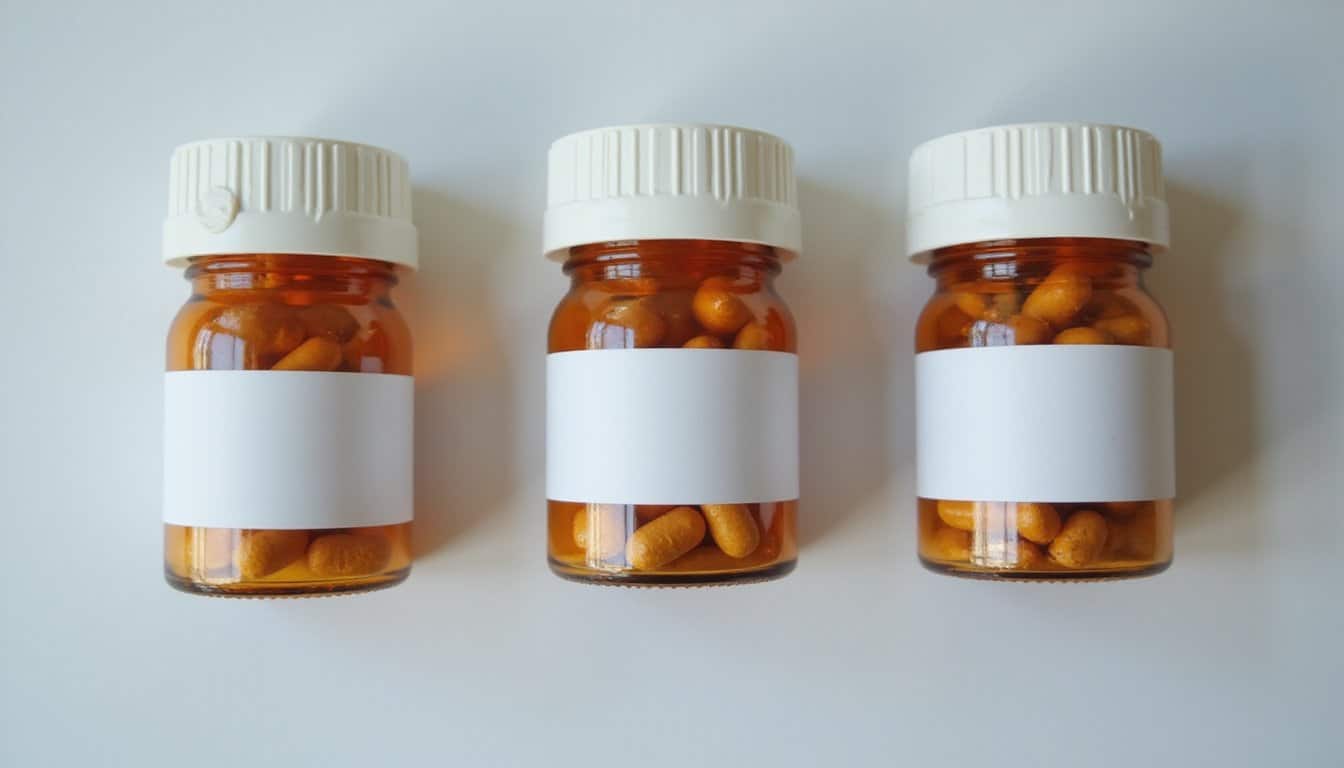
When standard antidepressants fail to produce remission, augmentation strategies offer a clinically validated path forward. Research demonstrates that adding atypical antipsychotics like aripiprazole to your current SSRI/SNRI achieves approximately 30% remission rates, outperforming antidepressant switching alone.
Augmentation strategies outperform antidepressant switching when standard treatments fail, adding aripiprazole achieves 30% remission rates.
Three evidence-supported augmentation approaches include:
- Atypical antipsychotics (aripiprazole, quetiapine XR, brexpiprazole), lower doses minimize medication side effects while maintaining efficacy
- Lithium augmentation, targets serum levels of 0.4, 0.8 mEq/L with documented suicide risk reduction benefits
- Dual-mechanism combinations (venlafaxine plus mirtazapine), achieves 56% response at six months in persistent depression
Individualized approaches remain essential, as each strategy carries distinct risks. Antipsychotics may cause metabolic changes and akathisia, while lithium requires ongoing thyroid and renal monitoring. Your treatment selection should balance efficacy evidence against your specific tolerability profile.
Brain Stimulation and Rapid-Acting TRD Treatments
Beyond medication augmentation, brain stimulation therapies offer distinct neurobiological mechanisms for treatment-resistant depression, directly modulating dysfunctional mood circuits rather than altering neurotransmitter availability. High-frequency rTMS targeting your left dorsolateral prefrontal cortex demonstrates real world effectiveness with response rates of 50, 60% and remission rates of 30, 40% in TRD populations.
Accelerated protocols like Stanford’s SAINT therapy deliver multiple daily iTBS sessions over five days, achieving approximately 80% remission in severely treatment-resistant patients within days rather than weeks. Researchers continue investigating ideal dosing schedules for these intensive approaches.
ECT remains the most effective acute biological treatment for severe TRD, producing remission in 50, 70% of cases. You’ll experience rapid symptom reduction, particularly valuable when psychotic features or high suicide risk exist. Modern techniques minimize cognitive adverse effects while preserving efficacy.
Why Therapy Still Matters in Treatment-Resistant Depression
Despite the emphasis on biological interventions, psychotherapy retains a critical role in treatment-resistant depression, particularly because many patients classified as “treatment-resistant” haven’t received adequate trials of structured psychological treatment.
Psychotherapy’s enduring role stems from its ability to target cognitive behavioral mechanisms that medications can’t directly address. Consider what therapy specifically treats:
- Cognitive distortions and rumination, CBT directly restructures maladaptive thought patterns that perpetuate depressive episodes
- Behavioral avoidance and anhedonia, behavioral activation counteracts inactivity even when pharmacologic response remains incomplete
- Interpersonal dysfunction and trauma, IPT and trauma-informed approaches address psychosocial drivers sustaining your symptoms
STAR*D data showed adjunctive CBT produced response rates comparable to medication switches (approximately 35%). You’ll also find group therapy and digital CBT programs offer evidence-based, cost-efficient augmentation options when individual therapy isn’t accessible.
Preventing Relapse After Treatment-Resistant Depression
Achieving remission after treatment-resistant depression marks a critical shift, but it’s not the endpoint. Research shows that premature medication discontinuation considerably increases relapse risk, with rates reaching 67% without continued treatment versus 42% with maintenance therapy.
Your medication adherence strategies should include continuation antidepressant therapy for at least 6, 12 months post-remission. If you’ve responded to ECT, combining maintenance ECT with pharmacotherapy extends well time dramatically, 6.9 years versus 2.7 years with medications alone.
Structured relapse prevention plans are equally critical. You’ll need to identify your personal early warning signs, sleep changes, social withdrawal, subtle mood shifts, and establish clear protocols for escalating care. Scheduled follow-ups, whether in-person or telehealth, help detect prodromal symptoms before full relapse occurs. Step-down care models support smoother changes from acute to maintenance treatment.
Frequently Asked Questions
How Common Is Treatment-Resistant Depression Among People Taking Antidepressants?
Around 30% of people taking antidepressants develop treatment-resistant depression, though estimates range from 12% to 55% depending on how researchers define it. You’re considered treatment-resistant after failing at least two adequate antidepressant trials. Factors contributing to this include your genetic predisposition, which affects how you metabolize medications and respond to specific drug mechanisms. US claims data shows approximately 2.8 million adults meet TRD criteria annually, representing a significant clinical challenge.
What Is the Economic Cost of Treatment-Resistant Depression in the US?
Treatment-resistant depression creates a substantial societal burden, costing approximately $43.8 billion annually in the US, nearly half of all medication-treated depression costs. You’ll find that TRD patients demonstrate markedly higher healthcare resource utilization, incurring roughly $9,323 more per year than individuals without depression. This excess spending stems from increased outpatient visits, emergency department use, hospitalizations, and pharmacy costs, alongside considerable productivity losses and unemployment-related expenses.
Does Treatment-Resistant Depression Increase the Risk of Death?
Yes, treatment-resistant depression considerably increases your risk of death. Research shows you face approximately 23% higher all-cause mortality compared to non-TRD depression. You’re also confronting increased suicide risk, studies document a 51% higher suicide rate and over four-fold greater rates of intentional self-harm. Additionally, comorbid medical conditions accumulate because chronic depression impairs self-care, reduces physical activity, and interferes with managing existing health problems, further elevating your mortality risk.
How Does Genetic Testing Help Predict Antidepressant Response?
Genetic testing analyzes pharmacogenomic markers in genes like *CYP2D6* and *CYP2C19* that control antidepressant metabolism, helping predict how you’ll process specific medications. Your results categorize drugs by expected efficacy and side-effect risk. In randomized trials, pharmacogenomic-guided prescribing increased remission likelihood by 71% compared to standard care. You’ll benefit most if you’ve experienced prior treatment failures or adverse reactions, where genotype-drug mismatches occur more frequently.
When Should Someone With Depression Be Referred to a Specialist?
You should seek specialist referral when you experience failure to improve symptoms after two or more adequate antidepressant trials, indicating lack of medication efficacy. Additional referral criteria include psychotic features, high suicide risk, severe functional impairment, or suspected bipolar disorder. If you’ve tried multiple standard treatments without meaningful response, or your provider identifies diagnostic complexity beyond primary care scope, a psychiatrist or psychopharmacologist can evaluate treatment-resistant depression and guide evidence-based next steps.