
During Suboxone recovery, you’ll need nutrient-dense foods to repair damage from opioid use disorder. Prioritize fatty fish for omega-3s that restore neural pathways, leafy greens to activate detoxification and reduce inflammation, and eggs for neurotransmitter production. Include yogurt and fermented foods to rebuild your gut microbiome, berries for antioxidant protection, and legumes for steady energy. Add nuts, seeds, and avocados for healthy fats that support cellular repair, plus citrus fruits to strengthen your immune function. Understanding how each food specifically supports your healing process will help you optimize your nutritional strategy.
Fatty Fish: Omega-3 Powerhouses for Brain Recovery and Inflammation Reduction
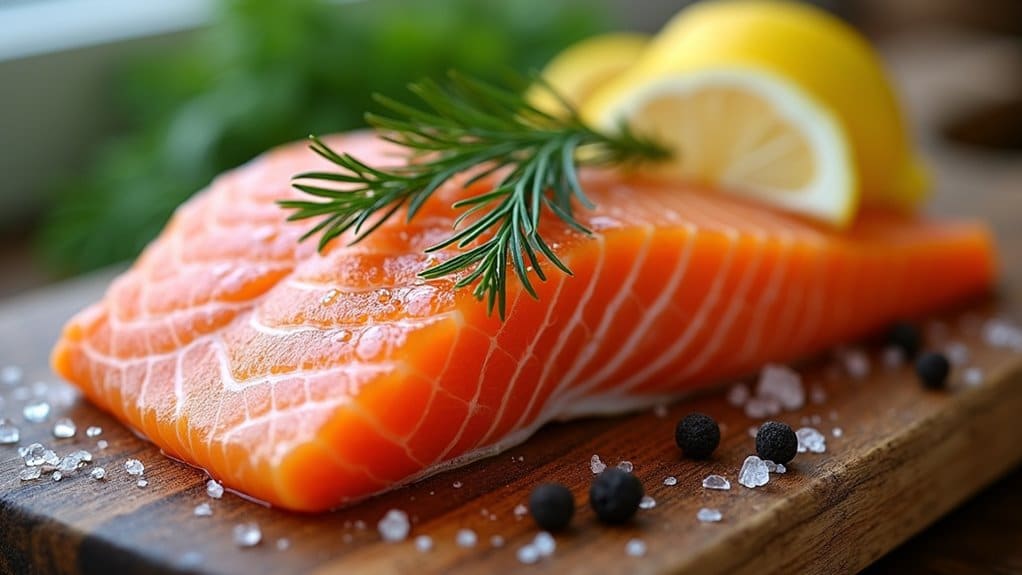
During Suboxone treatment recovery, your brain works to restore neural pathways damaged by opioid use, and fatty fish provide critical omega-3 fatty acids, EPA and DHA, that directly support this healing process. These essential fats preserve neuronal function and maintain brain structural integrity while you’re rebuilding cognitive capacity. Research demonstrates that omega-3 supplementation increases learning, memory, and cognitive well-being, with higher DHA blood levels strongly linked to cognitive performance bolstering. Studies show that DHA levels are a better predictor of cognitive improvement than EPA alone, though EPA provides additional benefits when DHA levels are already elevated. You’ll also benefit from omega-3s’ potent anti-inflammatory properties, which reduce pro-inflammatory cytokines elevated during withdrawal. EPA and DHA improve executive function, episodic memory, and mental clarity while protecting against neurodegeneration. Omega-3 fatty acids also increase blood flow in the brain, enhancing oxygen and nutrient delivery to support neural repair. Fish oil supplementation may also help with depressive symptoms during recovery, particularly when combined with other therapeutic interventions, as studies show improvements comparable to antidepressant effects. Including salmon, mackerel, sardines, or herring in your diet, or taking quality fish oil supplements, delivers these brain-protective compounds that support your recovery expedition.
Leafy Greens: Detoxification Support Through Vitamin-Dense Vegetables
Your body’s detoxification systems work overtime during Suboxone treatment recovery, and leafy greens provide essential nutrients to support this demanding process. These vitamin-dense vegetables, including kale, spinach, and Swiss chard, deliver high concentrations of vitamins A, C, and K that activate natural detoxification pathways in your liver and kidneys. The antioxidants and phytonutrients in leafy greens also protect your cells from oxidative damage while promoting tissue repair at the cellular level. The chlorophyll in these greens acts as an internal magnet that may help bind to heavy metals and environmental toxins accumulated in your body. Kale stands out as particularly beneficial since it is rich in iron and assists liver functioning, which is crucial for processing medications and eliminating waste products. The high fiber content in leafy greens promotes gut health and aids digestion while helping to regulate blood sugar levels during recovery.
Vitamins A, C, K Benefits
While your body works to heal from Suboxone treatment, leafy greens deliver a concentrated source of vitamins A, C, and K that directly support detoxification and cellular repair. Vitamin A, present as beta-carotene in spinach and kale, strengthens your immune system while protecting cells from oxidative stress. Vitamin C augments collagen synthesis for tissue repair and amplifies iron absorption from plant-based foods, one cup of kale provides 22% of your daily needs. Vitamin K stands out as especially critical, with spinach offering 121% and collard greens 131% of daily requirements per cup. This nutrient supports blood clotting, bone health, and liver function during recovery. Together, these antioxidants neutralize harmful free radicals produced during detoxification, reducing cellular damage and supporting your body’s natural healing processes. Swiss chard contains betalains that may have anti-inflammatory properties that further protect cells during the recovery process. Leafy greens are naturally low in calories while providing high fiber content, making them an ideal food choice for maintaining healthy body weight during recovery. These vegetables also supply essential minerals including iron, calcium, and manganese that support proper metabolic function during the healing process.
Supporting Natural Detoxification Pathways
Beyond their concentrated vitamin content, leafy greens activate your body’s natural detoxification systems through multiple biochemical pathways. Their phytochemicals content, including chlorophyll, polyphenols, and flavonoids, binds toxic compounds while reducing free radical burden during metabolic processing. You’ll benefit from liver enzyme stimulation, particularly phase II detoxification pathways that conjugate and eliminate toxins through glutathione-S-transferase activity. Cruciferous greens like kale provide sulforaphane and isothiocyanates that bolster endogenous detoxification enzyme production.
The fiber in spinach, chard, and collard greens binds bile acids, facilitating toxin excretion and preventing recirculation. These vegetables also modulate your gut microbiota, increasing beneficial Bacteroidetes while feeding Bifidobacteria and Lactobacillus species. This microbial shift supports gut barrier function and improves toxin breakdown. Clinical studies demonstrate reduced lipid peroxidation and inflammatory markers following increased leafy green consumption, protecting essential detoxification enzymes from oxidative damage. Research shows that concentrated vegetable intake can increase plasma nitric oxide levels three-fold, supporting improved vascular function during recovery. The antioxidants in these greens neutralize free radicals that are continuously released as your liver processes and detoxifies compounds during recovery. For those unable to consistently consume fresh leafy greens, greens powder supplements offer a convenient alternative that concentrates these beneficial plant compounds into a single daily serving.
Cellular Repair and Regeneration
The vitamin-rich profile of leafy greens directly supports cellular repair mechanisms essential for recovery from substance use. Vitamins C and E work synergistically; collagen synthesis accelerates tissue healing while antioxidant protection shields cell membranes from oxidative damage. Folate facilitates DNA synthesis and repair, enabling proper cell regeneration during your recovery process.
The polyphenols and carotenoids in leafy greens boost mitochondrial function, optimizing energy production within damaged cells. Quercetin modulates cellular signaling by suppressing inflammatory proteins like TNF-alpha, while chlorophyll strengthens antioxidant defenses. Clinical studies demonstrate that regular consumption reduces oxidative DNA damage considerably. These nutrient-dense vegetables are low in calories while providing concentrated amounts of protective compounds that support metabolic recovery. The anti-inflammatory properties of leafy greens reduce cellular stress and damage, creating an optimal environment for tissue repair and renewal. Leafy greens contain manganese and magnesium, essential minerals that enhance immune function and support the body’s natural healing processes during recovery.
These vegetables’ prebiotic fibers promote beneficial gut bacteria that produce short-chain fatty acids, particularly butyrate, which nourishes colon cells and supports nutrient absorption. This gut-cellular connection guarantees your body efficiently utilizes nutrients necessary for thorough healing.
Eggs: Complete Protein and Choline for Neurotransmitter Production
During Suboxone treatment recovery, your brain works to restore neurotransmitter balance disrupted by prolonged opioid use, and eggs offer targeted nutritional support for this healing process. Each egg provides 6 grams of complete protein with all nine essential amino acids, supporting tryptophan conversion to serotonin for mood regulation. With 147mg of choline per egg, you’re fueling acetylcholine synthesis critical for memory and cognitive function, areas often compromised during recovery. Choline metabolism also produces phosphatidylcholine, essential for repairing neural cell membranes.
Eggs deliver complete protein and 147mg choline per serving to support neurotransmitter restoration and cognitive healing during Suboxone recovery.
Key neurotransmitter support from eggs:
- Tryptophan increases serotonin production for improved mood and sleep-wake cycles
- Choline enables acetylcholine synthesis for memory and learning
- Lutein and zeaxanthin reduce oxidative stress in brain tissue
- B-vitamins support comprehensive neurological function and cognitive performance
Yogurt and Fermented Foods: Restoring Gut Health After Substance Use

Opioid use disrupts your gut microbiome balance, reducing beneficial bacterial diversity and compromising intestinal barrier function, conditions that persist into Suboxone treatment and recovery. Regular consumption of yogurt, kefir, sauerkraut, and kimchi restores microbiome diversity while reducing inflammatory markers. These fermented foods deliver live Lactobacillus and Streptococcus strains that survive gastric passage and temporarily inhabit your gut, supporting gut brain axis stabilization through augmented microbial-neural signaling. Clinical trials demonstrate measurable gastrointestinal symptom relief, including improved bowel regularity, reduced bloating, and decreased abdominal discomfort. The lactic acid bacteria in fermented dairy stimulate gut-associated lymphoid tissue, strengthening mucosal immunity and intestinal barrier integrity. Aim for daily fermented food intake to maintain these protective effects throughout your recovery process.
Berries: Antioxidant-Rich Fruits That Combat Oxidative Stress
During Suboxone treatment recovery, your body faces heightened oxidative stress from substance use history, which damages cells and weakens immune function. Berries provide concentrated polyphenols, particularly anthocyanins, that neutralize free radicals, reduce inflammation biomarkers by up to 32% with regular consumption, and protect critical tissues, including brain cells from oxidative damage. Incorporating antioxidant-rich berries like blueberries, strawberries, and blackberries throughout your day supports cellular repair, strengthens immune response, and promotes the neurological healing essential for sustained recovery.
Reduce Inflammation and Damage
When your body undergoes Suboxone treatment and recovery from opioid dependence, it experiences heightened oxidative stress, a state where harmful free radicals overwhelm your natural antioxidant defenses, damaging cells, proteins, and DNA. Berries offer clinical evidence of protection through their concentrated anthocyanins and polyphenols, which actively modulate inflammation levels and manage oxidative damage.
Research demonstrates berries’ therapeutic potential:
- Blueberries reduce pro-oxidants by 38%, providing direct DNA protection against free radical assault
- Chronic blackberry consumption lowers inflammation by 13.2% after three months of regular intake
- Berry anthocyanins cross the blood-brain barrier, delivering antioxidative protection to vulnerable neural tissues
- Combined berry extracts demonstrate superior antioxidant activity compared to single-berry consumption
These polyphenol-rich fruits decrease protein carbonylation and lipid peroxidation while supporting accelerated tissue recovery.
Boost Immune System Function
Because oxidative stress directly compromises immune function by damaging immune cell membranes and disrupting cellular signaling pathways, your body’s ability to defend against infection diminishes considerably during Suboxone treatment and recovery. Berries, polyphenol-rich superfoods containing anthocyanins, ellagic acid, and resveratrol, provide potent free radical scavenging activity that strengthens immune resilience. Clinical studies demonstrate that consuming 300, 500 grams of berries daily produces improved antioxidant status, with blackberries and blueberries reducing oxidative stress markers by 9.8, 26.6% after three months. These anthocyanins modulate immune cell signaling affected by oxidative stress, enhancing your immune system’s recovery capacity. Blueberries, blackberries, raspberries, and strawberries offer the highest antioxidant activity among common fruits. Combining different berry types provides superior immune-protective effects through synergistic antioxidant mechanisms that restore cellular defense systems compromised during treatment.
Support Brain Healing Process
Oxidative stress inflicts substantial damage on neural tissues during Suboxone treatment and recovery, compromising the brain’s capacity to heal and restore normal function. Berries offer powerful neuroprotective effects through their concentrated polyphenols and anthocyanins, which scavenge harmful reactive oxygen species while promoting neuronal plasticity essential for cognitive restoration.
Key mechanisms supporting brain healing:
- Reduced oxidative biomarkers: Clinical trials show 32% improvement in oxidative stress indicators, with blueberry compounds upregulating glutathione and reducing amyloid beta accumulation
- Enhanced memory function: Berry metabolites increase acetylcholine availability and synaptic connectivity, directly improving learning capacity
- Mitochondrial protection: Flavonoids restore cellular energy production while elevating brain-derived neurotrophic factor (BDNF) levels
- Neuroinflammation control: Quercetin and rutin reduce pro-inflammatory signaling and microglial activation, preventing long-term neural damage
Whole Grains: Complex Carbohydrates for Mood Stability and Energy
During Suboxone treatment recovery, your body requires stable, sustained energy to support healing and emotional balance, and whole grains deliver precisely this through their complex carbohydrate structure. Unlike refined grains, whole grains digest slowly, releasing glucose gradually to prevent blood sugar spikes that can trigger irritability and fatigue. This steady fuel supports nervous system function through B vitamins while magnesium and fiber augment insulin sensitivity.
The high fiber content extensively increases satiety levels, making you feel fuller longer and supporting appetite regulation, crucial for managing cravings during recovery. Regular whole grain consumption is associated with up to 43% lower diabetes risk and improved cardiovascular health. Their beneficial impact extends to gut microbiota, which influences mood through the gut-brain axis, providing thorough support for your recovery expedition.
Legumes: Plant-Based Protein and Fiber for Sustained Recovery
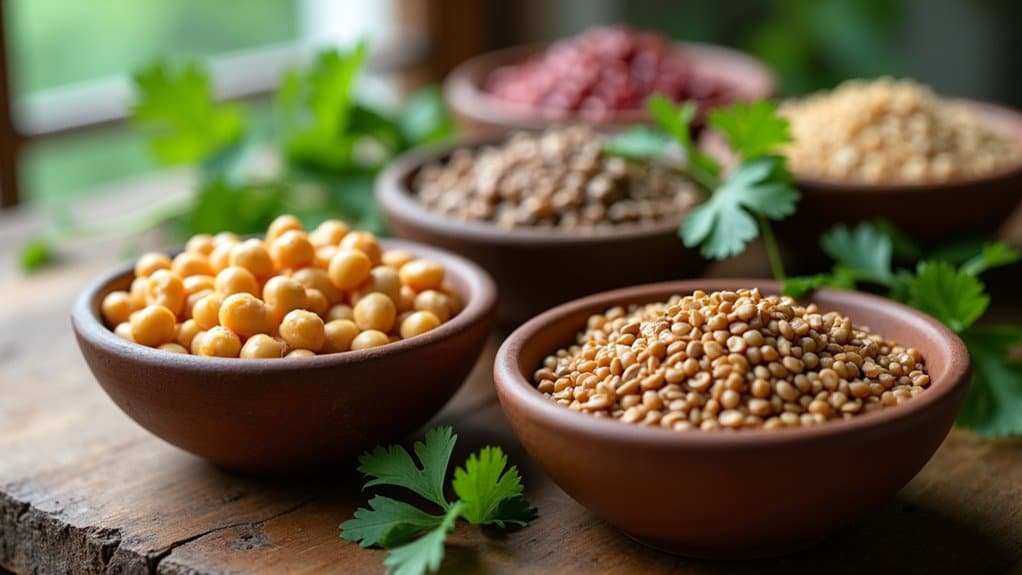
Legumes stand among the most nutrient-dense foods available for Suboxone recovery, delivering a powerful combination of plant-based protein and fiber that supports both physical healing and emotional stability. Their complex carbohydrates provide steady glucose release, helping stabilize mood fluctuations common during treatment. With about 15 grams of fiber per cup, legumes promote digestive regularity while feeding beneficial gut bacteria essential for neurotransmitter production.
Key Recovery Benefits:
- Sustained satiety reduces cravings and supports weight management during metabolic adjustments
- Complete nutritional profile supplies B vitamins, iron, magnesium, and zinc for tissue repair and immune function
- Cardiovascular protection through reduced cholesterol and blood pressure, counteracting treatment-related risks
- Affordable accessibility makes consistent nutrition achievable regardless of budget constraints
Incorporate beans, lentils, chickpeas, and peas regularly throughout your weekly meal planning.
Nuts and Seeds: Healthy Fats and Minerals for Tissue Repair
During Suboxone treatment recovery, your body requires high-quality nutrients to repair tissue damage and restore ideal function. Nuts and seeds deliver a powerful combination of plant-based protein, monounsaturated and polyunsaturated fats, and essential minerals that directly support cellular regeneration and reduce inflammation. You’ll benefit from incorporating these nutrient-dense foods into your daily diet, as they provide zinc, magnesium, selenium, and copper, minerals specifically involved in wound healing, immune function, and connective tissue strength.
Protein and Healthy Fats
Nuts and seeds deliver a powerful nutritional combination that directly supports your body’s healing during Suboxone treatment recovery. Their high-quality plant protein provides essential building blocks for collagen production and tissue repair, while amino acid supplementation from sources like almonds boosts blood vessel health and regeneration. The unsaturated fats in walnuts, flaxseeds, and chia seeds reduce inflammation and accelerate wound healing by improving cell membrane integrity.
Key nutritional benefits include:
- 4, 10 grams of protein per serving supports muscle maintenance and immune function
- Omega-3 fatty acids from walnuts and flaxseeds dramatically reduce inflammatory responses
- Fat-soluble vitamin absorption improves when consuming nuts’ healthy fats alongside other nutrients
- 30 grams daily provides antioxidants and phytochemicals that elevate recovery outcomes while regulating appetite
Essential Minerals for Recovery
Your body’s recovery during Suboxone treatment depends heavily on essential minerals that orchestrate tissue repair at the cellular level. Nuts and seeds deliver magnesium, zinc, and phosphorus, minerals required for over 300 enzymatic processes including protein synthesis and sustained bone regeneration. Almonds, cashews, and pumpkin seeds provide zinc for wound healing and immune function, while Brazil nuts offer selenium to combat reduced cellular oxidative stress during recovery.
These nutrient-dense foods support ATP synthesis, collagen formation, and red blood cell production, critical functions often compromised during substance use. Copper and iron from hemp and chia seeds facilitate oxygen transport for cellular healing, while vitamin E from sunflower seeds protects membranes from inflammation. Incorporating diverse nuts and seeds daily addresses mineral deficiencies that delay tissue repair and compromise immune response.
Citrus Fruits: Vitamin C Sources for Immune System Strengthening
While your body navigates the challenges of Suboxone treatment recovery, citrus fruits offer a powerful, accessible source of vitamin C to strengthen your immune defenses. A single medium orange provides approximately 70 mg of vitamin C, meeting your complete daily requirement, while grapefruit delivers even more at 96 mg per fruit.
Key benefits of citrus during recovery:
- Immune cell activation, Vitamin C stimulates white blood cell production and function, enhancing your resistance to common infections
- Cellular protection, Citrus antioxidants neutralize free radicals from stress and environmental toxins, safeguarding immune cells
- Anti-inflammatory support, Citrus flavonoids like hesperidin reduce systemic inflammation linked to chronic disease risk
- Tissue repair, Vitamin C facilitates collagen production, essential for wound healing and structural recovery
You’ll find these benefits easily accessible through fresh oranges, grapefruit, or lemon-infused water.
Avocados: Monounsaturated Fats for Cardiovascular and Skin Health
Beyond supporting immune function, your recovery nutrition should address the long-term health of your cardiovascular system and skin, two areas greatly impacted by substance use history. Avocados provide monounsaturated fats, primarily oleic acid, which lower LDL cholesterol while maintaining HDL levels. Research demonstrates that consuming one avocado weekly reduces cardiovascular disease risk by 16% and coronary heart disease by 21%. Their potassium and magnesium content supports blood pressure regulation.
For skin health, avocados deliver anti-aging benefits through vitamin E, lutein, and zeaxanthin, which protect against UV damage and improve elasticity. These healthy fats amplify absorption of fat-soluble vitamins essential for skin integrity and wound healing. The antioxidant profile reduces inflammatory markers, supporting longevity promotion throughout recovery while addressing cellular damage from oxidative stress.
Begin Your Healing Journey Today
Frequently Asked Questions
How Much Water Should I Drink Daily During Suboxone Treatment Recovery?
You should aim for 2, 3 liters (8, 12 cups) of water daily during Suboxone treatment to maintain ideal hydration levels. Fluid intake importance increases if you’re experiencing withdrawal symptoms like sweating or nausea, which cause further fluid loss. Your individual needs depend on your body weight, activity level, and climate. Proper hydration supports kidney and liver function for medication metabolism and helps prevent constipation. Always consult your healthcare provider to adjust intake based on your specific medical conditions.
Can I Take Vitamin Supplements Alongside These Healing Foods?
Yes, you can take vitamin supplements with healing foods, but consult your healthcare provider initially. While no direct interactions exist between Suboxone and common vitamins, certain supplements like 5-HTP or St. John’s wort pose risks. Whole foods augment the vitamin absorption rate better than supplements alone. Avoid supplement interactions by disclosing all products you’re taking. Focus on nutrient-dense foods primarily, using supplements only to address specific deficiencies identified through proper medical evaluation and monitoring.
Should I Avoid Caffeine and Sugar During Suboxone Recovery?
You don’t need to completely avoid them, but moderation is key. Caffeine consumption can worsen anxiety, insomnia, and heart palpitations during recovery, while excessive sugar intake may trigger energy crashes and intensify cravings. Both can amplify Suboxone’s side effects and complicate your healing process. Limit caffeine to morning hours and choose complex carbohydrates over simple sugars. Monitor how you feel; individual tolerance varies notably. Consult your healthcare provider for personalized guidance based on your symptoms.
How Soon After Starting Suboxone Will Improved Nutrition Show Results?
You’ll likely notice improved energy and mood within 2, 4 weeks of combining Suboxone with better nutrition. Stable blood sugar from balanced meals can reduce cravings within 1, 2 weeks, while improved sleep quality typically emerges after 2, 3 weeks. Your body starts restoring nutrient deficiencies within days, though you’ll feel the full benefits after about a month. Individual results vary based on your baseline health and consistency with both nutrition and medication adherence.
What Meal Timing Schedule Works Best for Suboxone Treatment Recovery?
Eating smaller meals every 3-4 hours works best during Suboxone recovery. You’ll stabilize blood sugar, reduce nausea, and improve nutrient absorption by distributing intake throughout the day. Adhering to a routine, even when you’re not hungry, prevents energy crashes and cravings. Schedule meals at least 30 minutes after your Suboxone dissolves to guarantee efficacious medication absorption. Include protein, complex carbs, and healthy fats at each meal to support healing and maintain consistent energy levels throughout treatment.